The 5 Biggest Mistakes That Ruin Christmas Cactus Blooms - And How To Avoid Them!
Want to know the 5 biggest mistakes that ruin Christmas cactus blooms during the holiday season? Or even more - how to avoid them?
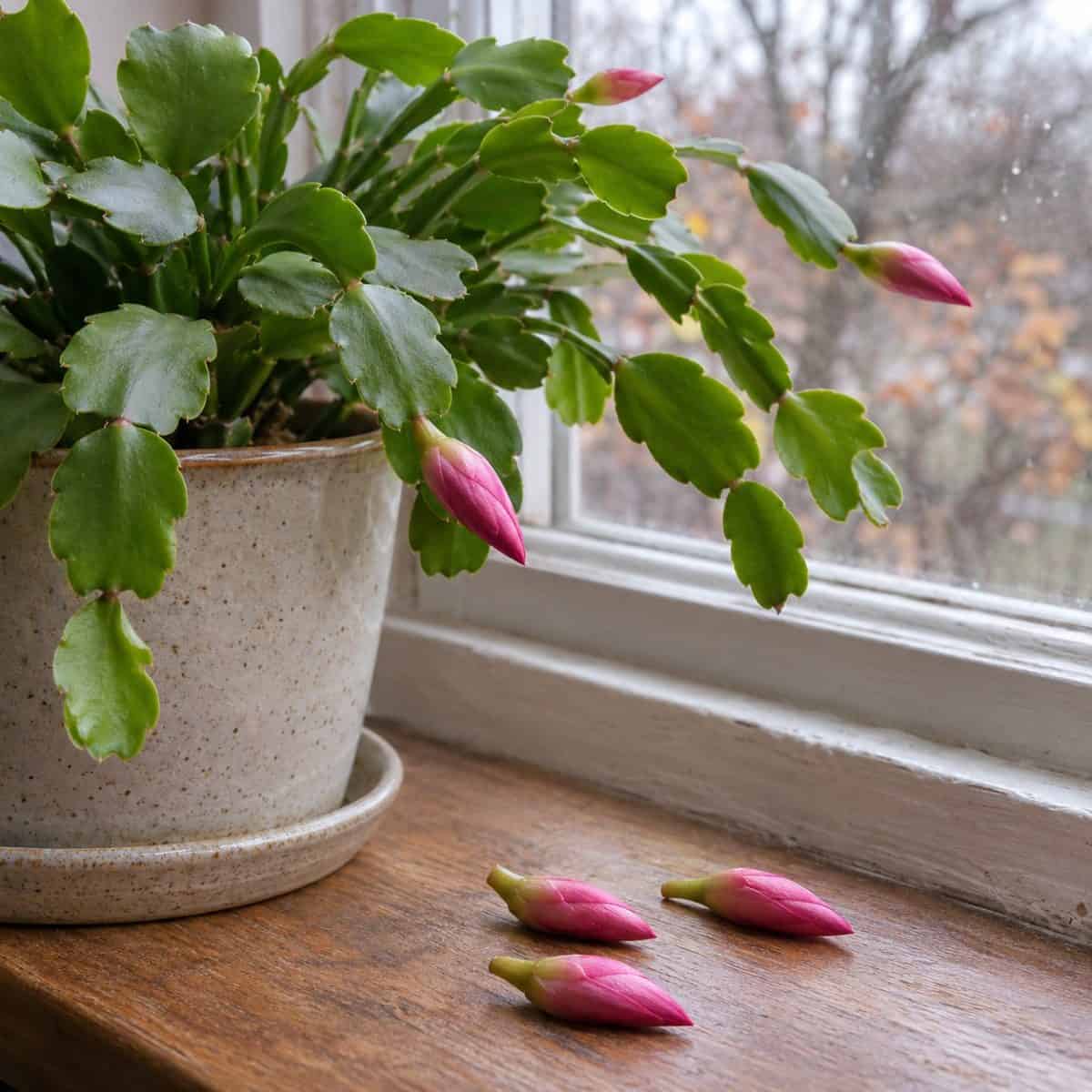
There’s nothing quite like seeing the first tiny buds appear on a Christmas cactus. After months of looking at the same green stems, you can finally see where the flowers will open. And then, just when you think you’re in for the best show yet, a few of those buds drop. A week later, there are more buds on the windowsill than there are on the plant!
Sometimes the trouble starts even earlier. The plant looks healthy and keeps adding new growth, but the holidays come and go without a single flower. Both problems are common, and they often come down to a few everyday habits that are easy to change.
A Christmas cactus needs one kind of care to set buds and another to carry those buds through to bloom. In the fall, the plant responds to long nights and cooler temperatures.
Once the buds appear, steady moisture, bright indirect light and a stable spot help them develop. Here are five mistakes that can get in the way at either stage.
5 Biggest Mistakes That Ruin Christmas Cactus Blooms
1. Giving Your Christmas Cactus Too Much Light At Night
A Christmas cactus needs bright, indirect light during the day. But in the weeks leading up to bloom, it also needs long, uninterrupted nights. That can be hard to come by in a living room where the lamps and television stay on until bedtime.
If your cactus grows well all year and rarely flowers, pay attention to what happens around it after sunset. A lamp on the end table, an overhead kitchen light or even a porch light shining directly through the window can interrupt the dark period the plant needs to set buds.
In early fall, aim for about 14 hours of uninterrupted darkness each night for roughly six weeks, or until you see buds forming. A bright spare room with the lights turned off in the evening can work well.
If you have to cover the plant, a roomy cardboard box can do the job. Take it off each morning so the cactus gets plenty of daytime light.
Look closely at the ends of the green segments as the weeks go by. Flower buds start as small, rounded nubs and often show a hint of color as they grow. Once you see buds forming, you can stop covering the plant. If it’s already in a good spot for blooming, leave it there.
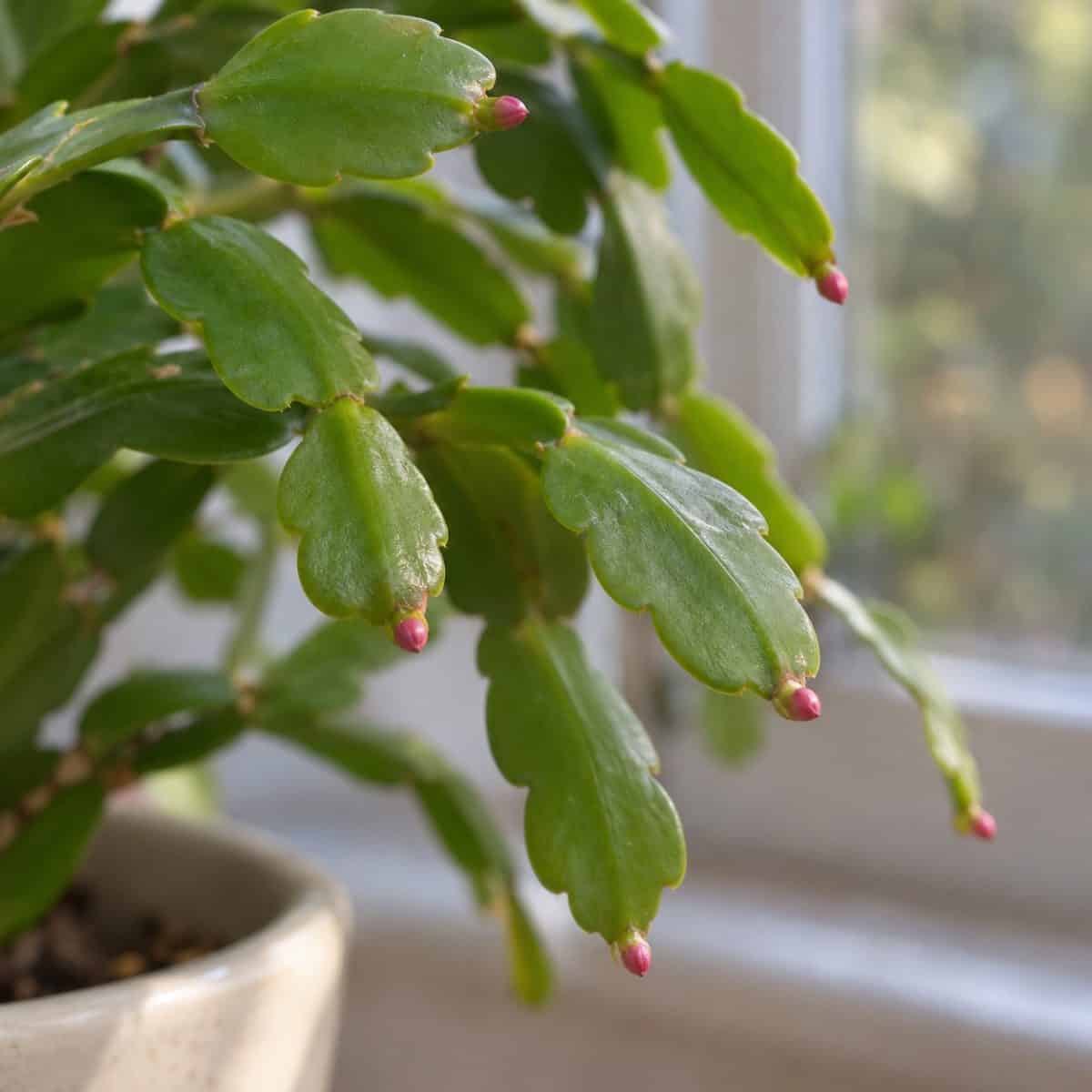
2. How Keeping A Christmas Cactus Too Warm In The Fall Can Ruin Blooms
Long nights do much of the work of getting a Christmas cactus ready to flower, and cool nights can help. A plant sitting above a heating register or next to a fireplace can miss out on that seasonal cooling, even when the rest of the house feels comfortable.
While the plant is setting buds, a room that cools into the upper 50s or low 60s at night is a good choice. A spare bedroom or a bright room you keep a little cooler in the fall can be ideal. Check the temperature near the plant if you’re unsure. The air right above a floor vent can feel quite different from the temperature at the thermostat.
Be careful about putting it right up against cold window glass, especially when the first hard freeze arrives. You want a cool room with fairly steady temperatures. A drafty windowsill or a spot where icy air rushes in every time the back door opens can stress a plant that’s already carrying buds.
3. Letting The Soil Dry Out Too Much - Or Keeping It Soaking Wet
With the word cactus in its name, it’s easy to assume a Christmas cactus can go weeks without a drink. But Christmas cacti come from humid forest habitats, where they grow in places that drain quickly and receive regular moisture. A pot that dries out completely while the plant is budding can lead to shriveled stems and dropped buds.
Too much water can cause trouble as well. When potting mix stays soggy, the roots struggle. A plant with damaged roots can look limp even while the soil is wet. If you see limp segments and immediately reach for the watering can, check the soil first.
Listen To Our Garden Podcast Below

While your Christmas cactus is budding and blooming, feel the top inch or so of the potting mix. If it feels dry, water thoroughly and let the excess drain from the bottom. If it still feels moist, give it more time.
Decorative pots and foil wrappers can hide a puddle around the roots. If your cactus sits inside a decorative container, lift the nursery pot out to water it. Let it drain in the sink and empty any water left in the outer pot before putting the plant back.
4. Moving The Plant Right After It Sets Buds
It’s tempting to move a Christmas cactus as soon as it starts to bud. You’ve been waiting weeks for the flowers, and now you want the plant on the kitchen island or in the middle of the holiday table where everyone can see it.
A short trip across the room can be fine if the new spot offers similar conditions. The trouble that can ruin Christmas cactus blooms comes when a move changes several things at once.
Going from a bright, cool window to a warm, dim corner can put buds under stress. So can bringing a newly purchased cactus home in a cold car and setting it beside a heating vent.
If your cactus is full of buds and looks happy where it is, enjoy the flowers there. If you’d like to display it somewhere else every year, find that spot before buds form. Look for bright, indirect daylight and steady temperatures. During the fall bud-setting period, make sure the spot also gets those long, dark nights.
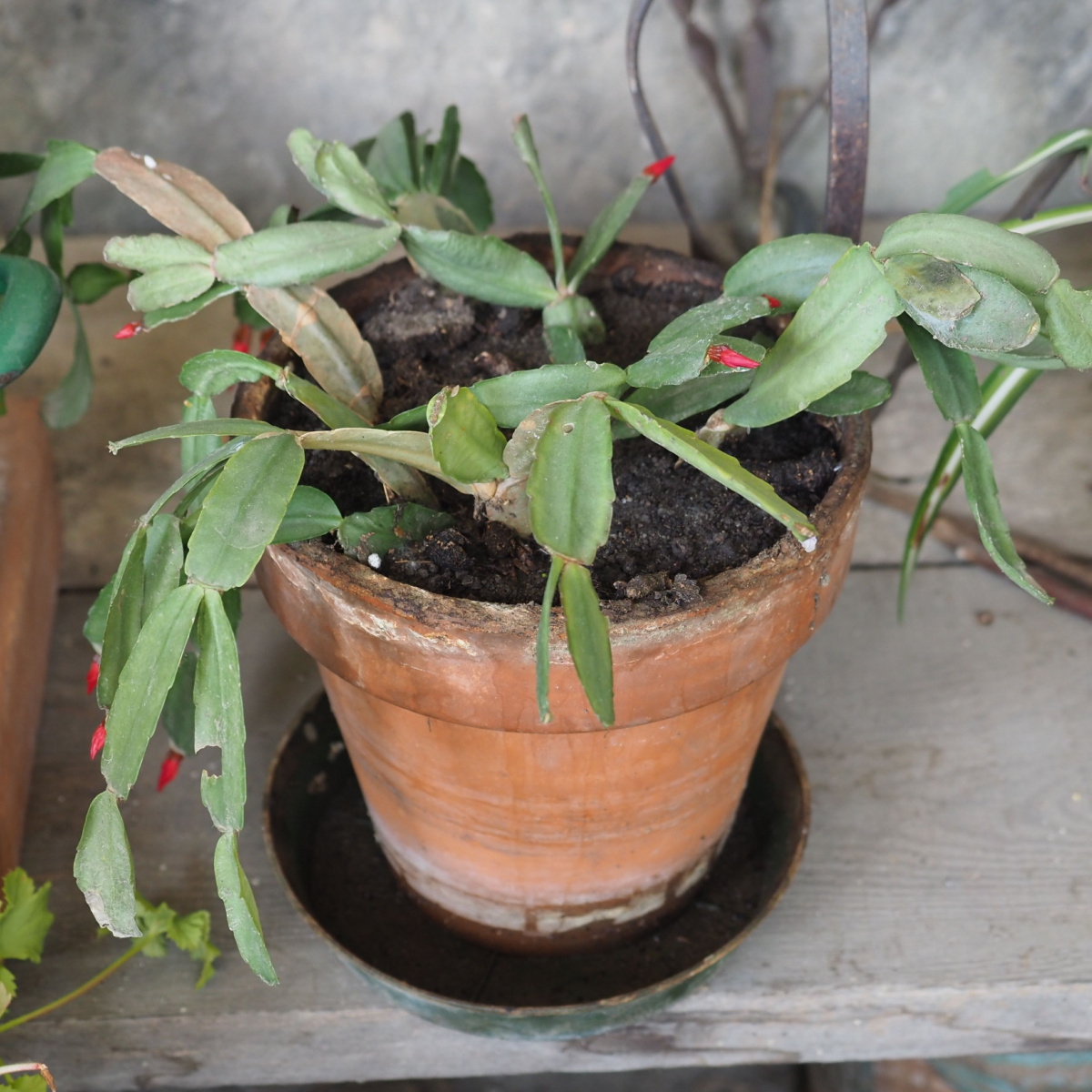
5. Fertilizing To Try To Force More Blooms
Seeing a handful of buds can make you want to reach for a bottle of fertilizer in hopes of doubling the show. By that point, though, the plant has already started setting its flowers. An extra dose of fertilizer can add soluble salts to the potting mix, especially in a small container or one that drains poorly.
Save regular feeding for spring and summer, when the cactus is actively growing new green segments. A balanced houseplant fertilizer diluted to half strength is usually plenty. Follow the label for timing, and apply it when the potting mix is already slightly moist. Ease off feeding in late summer or early fall as you begin preparing the plant to set buds.
Wait until after flowering to make bigger changes, too. If the plant needs fresh potting mix or a slightly larger container, early spring is a better time to do that job. By then, you can take care of the roots and get the plant ready to grow the new segments that can carry next season’s flowers.
And last but not least - you can often get a second bloom in late winter from your cactus. For more on that, check out our article: How To Get Your Christmas Cactus To Bloom Again - After Christmas!
The Simple Garden Life
Follow Our Facebook Page For Even More Great Tips! Simple Garden Life Facebook Page
Simple Garden Life is a website dedicated to keeping gardening fun, simple and enjoyable! We publish two new articles each week along with a new garden podcast episode every two weeks. This article may contain affiliate links.
More Winter Gardening
- The One Thing Birds In Your Backyard Need Most In Winter - And How To Easily Give It To Them!
- Are Your Strawberry Plants Ready For Winter? How To Protect Strawberries In November!
- The Best Herbs To Grow In A Sunny Window Indoors - All Winter Long!
- Can You Still Plant Tulip Bulbs In November? The Surprising Answer!