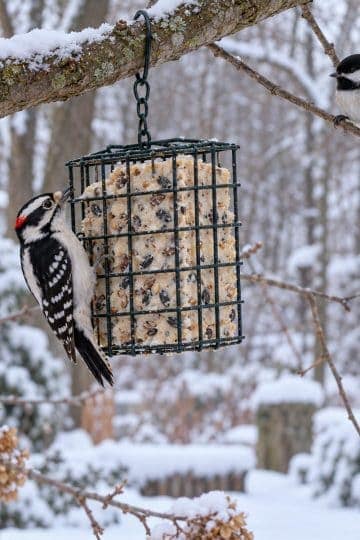
5 Reasons Birds Stop Coming To Your Feeders In November - And How To Fix It!
Did the birds suddenly stop coming to your feeders this November? And are you wondering why and how to fix it?
One week, chickadees are carrying off sunflower seeds as fast as you can fill the feeder. The next, you can look out the window over breakfast and see the very same pile of seed you put out three days ago.
November can be an especially puzzling month for backyard bird watchers. The leaves are down, the mornings are getting colder, and it seems like a full feeder ought to draw a crowd. But a quiet feeder can mean anything from a good crop of wild seeds nearby to a feeding port plugged with damp seed.
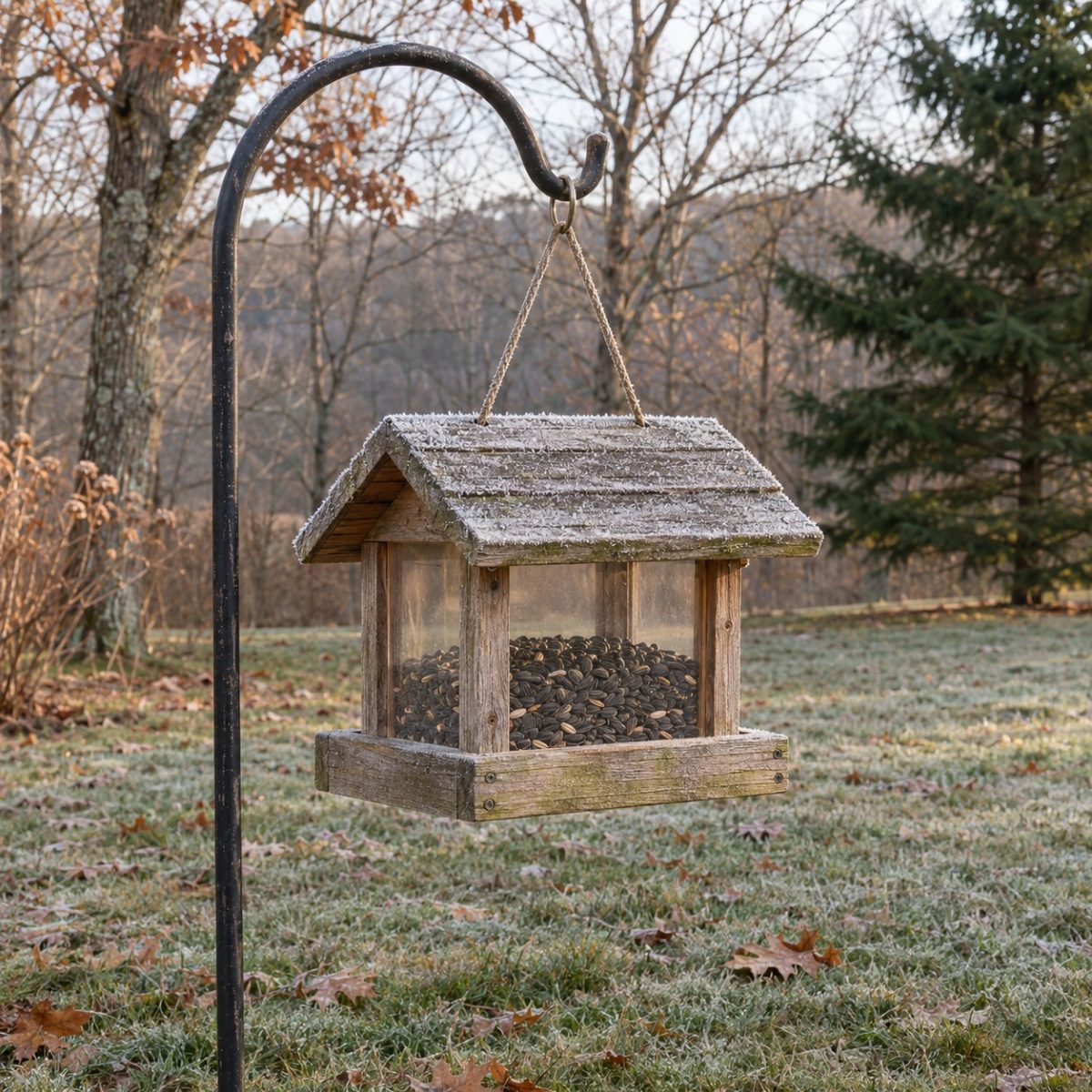
Before you buy a new feeder or switch out every bag of seed, take a few minutes to look at what’s happening around your yard. Here are five things to check when the birds seem to have disappeared in November.
5 Reasons Birds Stop Coming To Feeders In November
1. Check The Seed For Moisture, Mold & Clumps
A feeder can look full from the kitchen window and still have very little usable seed. Take it down and look closely at the bottom and around the feeding openings. A few days of wind-driven rain can wet the seed along the edges while everything in the middle still looks dry.
Tip some seed into a container. It should pour freely. If it comes out in lumps, smells musty or shows any mold, discard it. Check the bag or bin you refill from as well. If the supply has gotten damp, fresh seed from the same bag will only bring the problem back.
Once the feeder is empty, scrub away the old hulls, droppings and residue. Rinse it well and let every part dry completely before refilling.C lean seed feeders about every two weeks, and do it sooner if they get wet or visibly dirty. Clear out old seed and hulls that accumulate directly underneath the feeder, too.
When traffic is slow, fill the feeder only partway. A smaller amount is easier to keep fresh, and you can tell at a glance whether the birds have started eating it again. It also saves you from dumping out a whole feeder’s worth of seed after the next cold November rain.

2. Make Sure The Feeder Is Actually Dispensing Food
One of the most common reason birds are not coming to a feeder in November is that it isn't dispensing food!
Look at the feeder from the bird’s side. Can you see seed at each feeding port? On a tube feeder, a wad of old hulls can plug an opening. On a hopper feeder, damp seed can form a crust along the slot where the seed should slide onto the tray. The reservoir can still look full in both cases.
Clear the ports and check that the perches are secure. If you use a weight-sensitive squirrel-resistant feeder, press the perch gently and make sure the cover opens again when you let go. On a frosty morning, check the tray for ice. A feeder that works perfectly when you fill it indoors can behave differently after a night outside.
Once the feeder is working, consider what’s in it. Black oil sunflower seed is a good starting point if you’re hoping to see chickadees, titmice, nuthatches or cardinals. See our article: How To Make Your Own Bird Feed - Save Big & Feed Birds Better Than Ever!
Feeder style matters as well. A cardinal has more room to land on a sturdy hopper ledge or platform than on a tiny tube feeder peg. Affiliate Link: Hopper Style Bird Feeder

3. When Birds Stop Coming To Feeders - Look For Hawks, Cats & Other Disturbances
If a busy feeder goes quiet all at once, look up into the nearby trees and down along the edges of the yard. A Cooper’s hawk perched on a low limb or a cat crouched under a shrub can change how comfortable smaller birds are about coming out in the open.
A hawk passing through may keep the feeder quiet for a while. Watch from inside and give the birds time to resume their routine. If you see a cat regularly waiting beneath the feeder, consider moving the feeder away from that hiding spot.
Birds benefit from having somewhere to retreat, and they need a clear view of the ground around their landing area.
Think about other recent changes in the yard. Has a favorite shrub been cut down? Is there more foot traffic around the feeder? Have squirrels been sitting on the tray for long stretches?
A sudden change in activity often makes more sense when you watch the whole feeding area for a few minutes instead of watching the feeder alone.
4. Take A Fresh Look At The Feeder’s Location
A spot that worked beautifully in October can feel wide open once the leaves fall. A feeder that was sheltered by a leafy hedge may now be exposed to the wind, and birds may have farther to fly to reach cover.
Listen To Our Garden Podcast Below!

Give them some open space between the feeder and dense, low branches where a cat could hide. If you can watch the feeder and nearby cover from the same window, you’ll have a better chance of seeing the chickadee that grabs one seed and disappears into a tree a second later.
Any time you move a feeder, take the windows into account. One option is to place the feeder within three feet of the glass so birds have less room to build up speed if they fly toward it.
Exterior window screens or closely spaced markings on the outside of the glass can also help birds recognize the barrier.
5. Check What The Birds Can Find To Eat Nearby
Last but not least, when birds stop coming to your feeders - look beyond it! In November, trees and shrubs can still hold berries and seeds, and dried flowers and grasses can offer a surprising amount of food. A stretch of mild weather can give birds plenty of time to forage through those natural supplies.
Watch the edges of your yard for a few minutes. You might spot goldfinches picking at old coneflower heads, chickadees working their way through tree branches, or sparrows looking for seeds beneath shrubs. The best clue that your feeder is simply in a slow spell is seeing birds actively feeding elsewhere in the yard.
The mix of birds can change this time of year, too. Some fall visitors move on, while winter visitors start showing up. Keep a modest amount of fresh seed available and watch what happens when the weather changes. If frost or snow makes some of those natural foods harder to reach, you may see more activity at the feeder.
Here is to getting birds back to your feeders this November - and all winter long!
The Simple Garden Life
Follow Our Facebook Page For Even More Great Tips! Simple Garden Life Facebook Page
Simple Garden Life is a website dedicated to keeping gardening fun, simple and enjoyable! We publish two new articles each week along with a new garden podcast episode every two weeks. This article may contain affiliate links.
More Birds, Bees & Insects
- The Perfect Winter Bird Suet Recipe – Easy To Make & Birds Love It!
- Here Come The Stink Bugs - 3 Big Secrets To Keep Them Out Of Your House This Fall!
- Why September Is The Most Important Month To Feed Hummingbirds - How To Help Hummingbirds Migrate!
- How To Attract Orioles - 2 Secrets To Bring Orioles Into Your Yard This Spring & Summer!