The One Thing Birds Need Most In Winter - And How To Help Give It To Them!
Although food is always a major concern - did you know that the one thing birds need most in the winter and often have trouble finding is a simple drink of water?
We tend to think about filling the feeders when a winter storm is on the way. And it’s easy to see why. But take a look around your yard after a few days of freezing weather. The puddles are gone, the shallow edges of ponds are iced over, and the birdbath that was full yesterday may be frozen solid by morning.
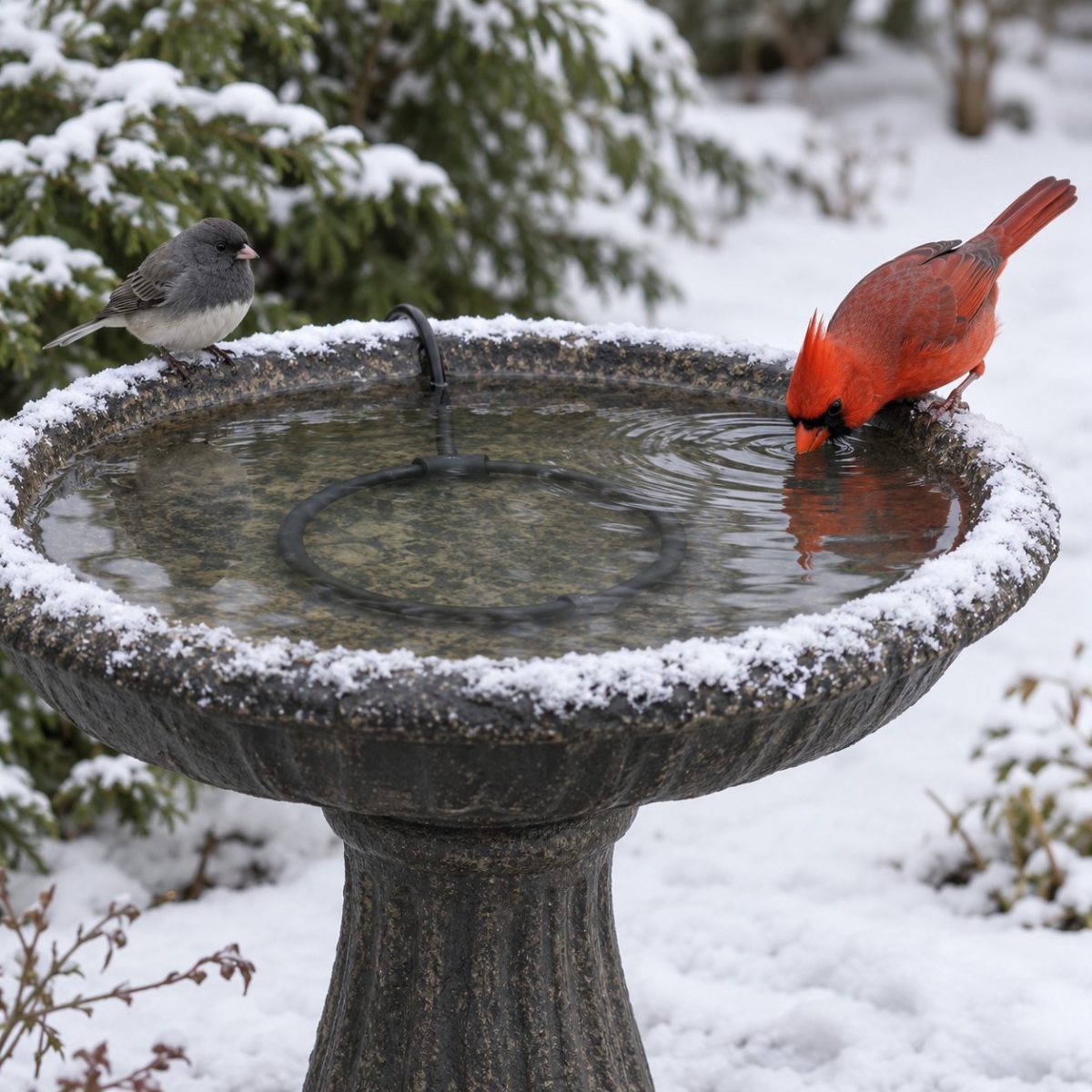
That’s where a birdbath warming ring can make a big difference. It fits right into a compatible birdbath or even a large pail, and its job is simple - keep enough water open for birds to get a drink!
The One Thing Birds Need Most In Winter - Water!
Why Water Is So Hard For Birds To Find In Winter
Birds need water year-round, including on the coldest days. They can get some moisture from their food or eat snow when it’s available, but melting snow takes body heat. And during a cold, dry stretch without snow, even that option can be hard to come by.
A birdbath gives them a place to stop for a drink close to where they’re already looking for food and shelter. It can also bring in birds you rarely see at a seed feeder.
You might spot a robin stopping for water or a bluebird dropping down from a nearby branch. And if you have dark-eyed juncos picking through the seed under your feeders, watch for them at the bath, too.
How To Use A Warming Ring To Give Birds What They Need Most In The Winter
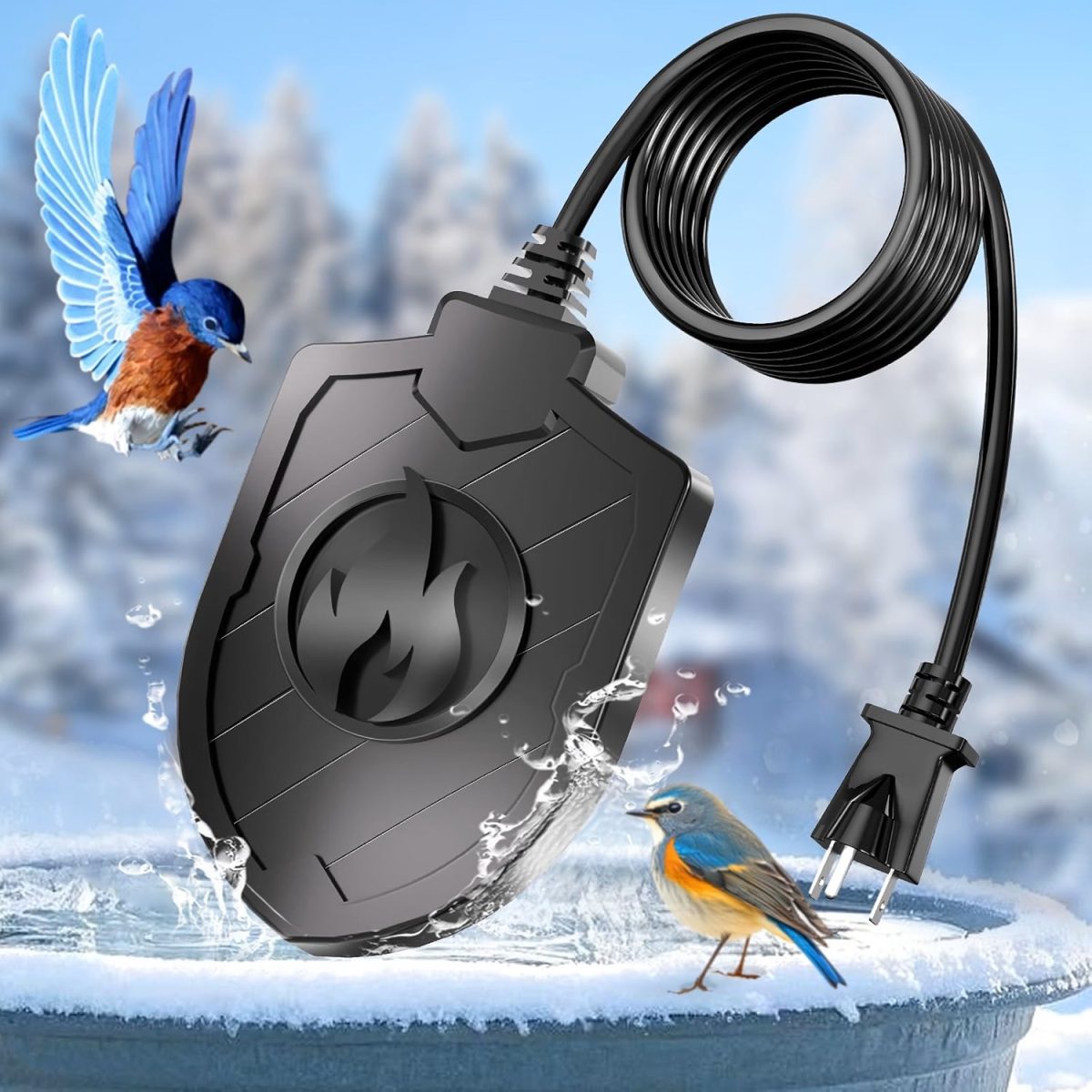
A warming ring, also known as a birdbath de-icer, is a small electric heater that sits in the water. Many models have a thermostat that switches the heater on as the water gets cold.
The idea is to keep a patch of water liquid. You may still see ice around the edges on a bitterly cold morning. That is more than fine as long as the birds can reach open water. Choose a model made specifically for birdbaths and check that it’s approved for the material and size of your basin.
If your existing bath is made of ceramic or another material that can crack in freezing weather, check whether the basin itself is rated for winter use. A shallow, freeze-resistant basin you can easily lift and scrub is a practical choice.
Set the ring in the basin as directed, then fill the bath to the level specified by the manufacturer before plugging it into a protected outdoor GFCI outlet. If the model requires full submersion, keep it covered with water while it’s running.
Follow the instructions for your model on cord use, and keep any permitted outdoor connection protected from rain and up out of pooled water and snow. Affiliate Link: 100W Bird Bath Heater for Outdoors in Winter, Birdbath Heater Deicer, Black
A shallow drinking area is best. If the basin is smooth or the water is deeper near the middle, set a stable, flat stone near the edge where it won’t touch the heater or block water from circulating.
Leave the top of the stone above the surface so small birds can stand on it and drink without getting wet. This keeps them safe - and still allows for easy access to the water.
Where To Put Your Birdbath In Winter
Start with a spot that’s sheltered from the wind and easy to reach from the house. The easier it is to carry out a pitcher of water, the more likely you’ll be to refill the bath when the path is snowy or the wind is blowing.
Listen To Our Garden Podcast Below

If you’re using a warming ring, choose a spot within reach of the outdoor outlet so the cord doesn’t have to cross a walkway.
Look for a place near an evergreen or a shrub where birds can perch and retreat quickly. Leave some open space around the bath so they can see a cat or other predator approaching. If cats regularly pass through your yard, a sturdy pedestal in an open spot is a better choice than a basin tucked at ground level against dense shrubs.
If you already feed birds, you can put the bath in the same part of the yard in the winter. Give it enough separation that seed hulls and droppings from the feeders don’t fall into the water. And if you’re choosing between two equally sheltered spots, pick the one you can check from inside.
Keep The Water Fresh Through The Coldest Weather
A warming ring keeps water from freezing. You’ll still need to check the level and change the water regularly. Shallow baths can run low surprisingly fast on windy days, and bits of seed, leaves and droppings can build up even when it’s cold.
Check the bath daily during a hard freeze. If the water is dirty, unplug the ring, empty the basin and rinse it before refilling.
Give the basin a scrub whenever you notice grime or a slippery film, and reconnect the heater only once it’s back in place with enough water. Use plain fresh water every time. Skip salt, antifreeze and any other additives.
If you don’t have an outlet nearby, you can still help. Set out a shallow bowl of fresh water in the morning and swap it for another when it freezes. Keeping a second bowl indoors makes the change quick, and you can bring the frozen one inside to thaw without having to chip out the ice.
For more on feeding birds in the fall - check out our article: 5 Reasons Birds Stop Coming To Your Feeders In November - And How To Fix It!
The Simple Garden Life
Follow Our Facebook Page For Even More Great Tips! Simple Garden Life Facebook Page
Simple Garden Life is a website dedicated to keeping gardening fun, simple and enjoyable! We publish two new articles each week along with a new garden podcast episode every two weeks. This article may contain affiliate links.
More Winter Gardening
- Are Your Strawberry Plants Ready For Winter? How To Protect Strawberries In November!
- The Best Herbs To Grow In A Sunny Window Indoors - All Winter Long!
- Can You Still Plant Tulip Bulbs In November? The Surprising Answer!
- The Easiest Way To Save Coffee Grounds For Your Garden This Winter - Without Having Them Mold!