The Best Plants To Mulch With Pine Needles In The Fall!
If you have pine trees dropping loads of pine needles across your yard this fall, you have a free supply of mulch that can help protect some of your favorite plants through winter!
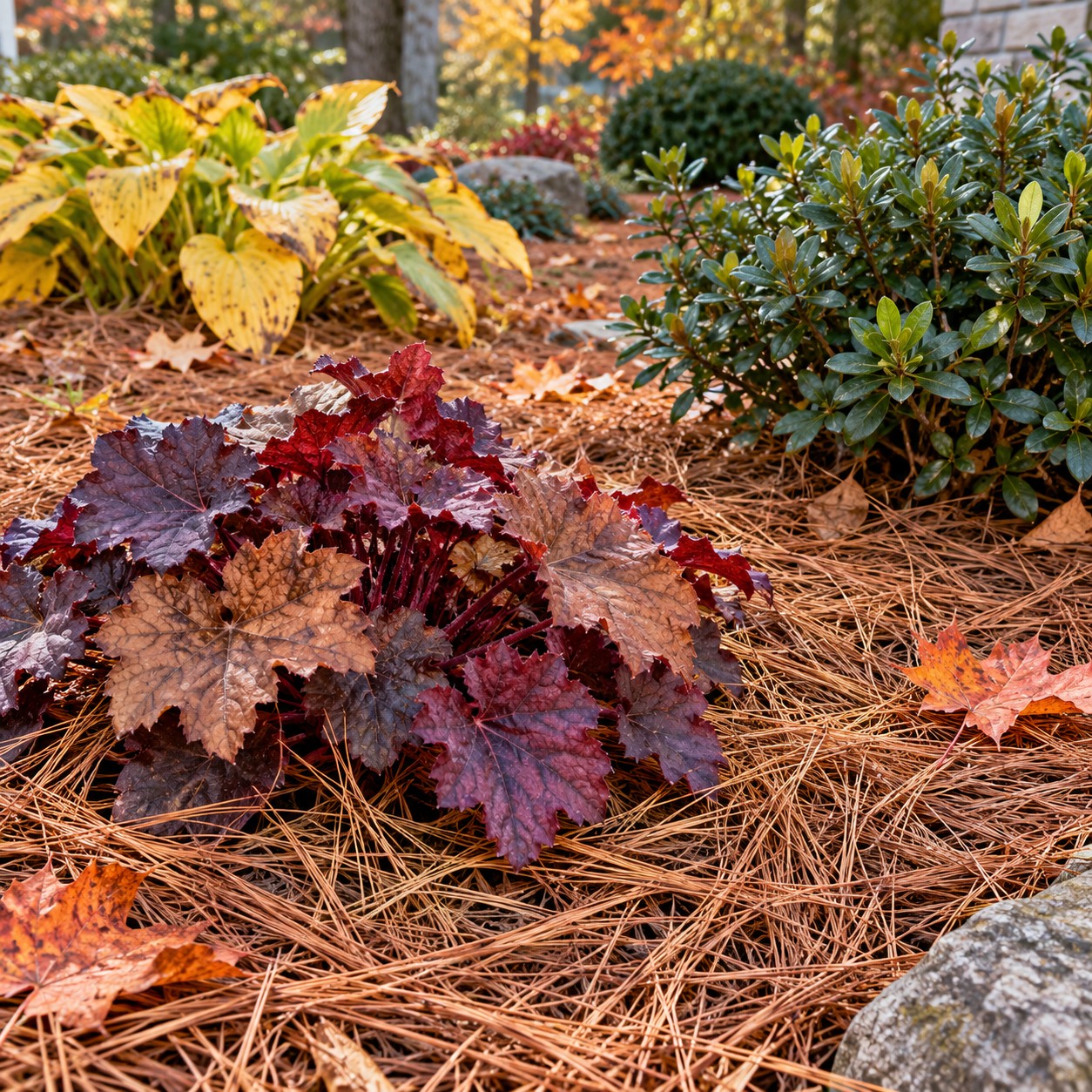
Although fallen pine needles are often raked up and discarded, they can be incredibly useful in flowerbeds, around shrubs and even in strawberry beds. They are lightweight, easy to spread and slow to break down. And their loose structure makes them especially useful when you want protection without creating a dense, soggy blanket.
Often called pine straw, fallen pine needles help moderate soil temperatures, reduce moisture loss and cover bare ground. When applied properly, they can also help reduce the repeated freezing and thawing that pushes plants out of the soil during winter.
But which plants benefit most? And how much should you use?
The good news is that pine needles work around far more plants than many gardeners realize. The key is matching the depth and timing to the plants you are protecting—and keeping mulch from piling up against stems and crowns.
The Best Plants To Mulch With Pine Needles
Why Pine Needles Make Great Fall Mulch
One of the biggest advantages of pine needles is the way they settle together.
Unlike whole leaves, which can flatten into a wet mat, pine needles generally maintain small spaces between them. Those spaces allow water and air to move through while the mulch shades and protects the soil underneath.
Their interlocking shape also helps them stay in place once settled. That makes them useful in beds where loose leaves tend to blow away or wash into piles.
Pine needles decompose gradually, so they do not need to be replaced as quickly as some softer materials. As they break down, they contribute organic matter to the soil.
They also create an attractive, natural-looking surface. Their warm brown color fits especially well around woodland plants, evergreen shrubs and perennial borders.

Will Pine Needles Make Your Soil Too Acidic?
Before choosing plants to mulch with pine needles, it helps to clear up one common misconception.
Pine needles do not meaningfully acidify garden soil when used as a surface mulch. Although fresh needles are acidic, spreading fallen needles over a bed is not a dependable way to lower the soil’s pH.
That means you do not have to limit pine needle mulch to acid-loving plants. Many ordinary garden perennials can grow perfectly well with a layer around them.
It also means pine needles cannot correct soil that is too alkaline for blueberries or azaleas. For that - you need to use fresh green needles and bury them in the soil. For mulching - think of pine needles as a protective covering for the soil, rather than a treatment that changes its acidity.
Strawberries
Strawberries are one of the best plants to protect with pine needles in late fall.
Their crowns sit close to the soil surface, making them vulnerable to extreme cold and fluctuating winter temperatures. Repeated freezing and thawing can also lift plants, exposing roots to drying air.

A loose winter covering helps moderate those conditions. Pine needles are useful because they provide protection without matting down as readily as whole leaves. See our article: How To Use Pine Needles To Protect Strawberry Plants For Winter
Timing matters, however. Wait until the strawberry plants have gone dormant after several hard frosts. Growth should have stopped, and the foliage will often appear flattened or have a duller color.
Spread roughly three to four inches of loose pine needles over the dormant planting, adjusting for your climate and local growing recommendations. Let the needles settle naturally rather than pressing them down.
In spring, gradually pull the covering away as new growth begins. Some of the needles can remain between plants to cover the soil and help keep developing berries cleaner.
Blueberry Bushes
Blueberries are another excellent match for pine needle mulch. These shrubs have shallow roots that benefit from consistent moisture and protection from temperature extremes. Bare soil around a blueberry bush can dry out quickly and leave roots competing with weeds.
Pine needles help cover that root zone while allowing rain to pass through.
Spread the mulch broadly beneath the bush, rather than making a small mound around its stems. Aim for a settled layer of about two to three inches, topping up thin areas as needed.
Keep a small open space around the base of the stems. Mulch should protect the surrounding soil without remaining packed against the plant.
Listen In To Our Garden Podcast Below!

Azaleas & Rhododendrons
When it comes to natural candidates for pine needle mulch, azaleas and rhododendrons are at the top of the list.
Like blueberries, they have relatively shallow root systems. A protective covering helps reduce moisture loss and limits the temperature swings those roots experience near the surface.
Pine needles are also easy to spread beneath established branches without digging or disturbing the roots below. Apply a loose layer that settles to about two to three inches. Extend it over the surrounding root area while keeping the stems and crown clear.
Avoid building a deep mound against the shrub. More mulch is not automatically better, particularly in a location with heavy soil or poor drainage.
Hostas
Pine needles can also be useful around hostas as they head into dormancy. Once frost has killed the foliage, remove the collapsed leaves if you are cleaning up the planting. Then inspect the mulch already covering the soil.
A modest layer of pine needles around the clump helps protect the root zone and cover exposed ground. This can be particularly useful for hostas planted or divided earlier in the growing season.

Spread approximately two to three inches around the plants, keeping the crown from being buried beneath a tightly packed mound.
Established, hardy hostas do not necessarily need a thick winter blanket. The goal is to maintain a protective soil covering, not pile on material every fall regardless of what is already there.
When spring shoots appear, pull back any needles that have accumulated directly over the emerging growth.
Hardy Garden Mums
Hardy garden mums can benefit from loose winter protection, particularly in exposed locations or during their first winter in the ground. Pine needles are a useful option because they offer insulation without forming the heavy mat that wet, whole leaves can create.
Leave healthy stems standing through winter and spread the needles around the base after the plants are dormant and the ground has begun to freeze.
A loose layer of roughly three to four inches around the root area can help moderate winter conditions. Avoid stuffing the material tightly into the center of the clump.
Newly Planted Perennials
Beyond these individual plants, pine needles can help protect many perennials planted earlier in the fall. New plantings have had less time to anchor themselves, which can make them more susceptible to frost heaving.
After the ground begins to freeze, a loose protective layer around suitable plants can reduce rapid temperature changes. Keep crowns clear unless the particular plant calls for a temporary winter covering.
Use extra care around plants that demand dry crowns, including lavender and some sedums. They should not be buried beneath a thick blanket that holds moisture against their stems.
Winter protection should always suit the plant and the planting site. It cannot make a tender perennial hardy or fix a bed that stays waterlogged. Here is to using all of those falling pine needles this fall to protect the plants in your flowerbeds and garden!
The Simple Life
Follow Our Facebook Page For Even More Great Tips! Simple Garden Life Facebook Page
Simple Garden Life is a website dedicated to keeping gardening fun, simple and enjoyable! We publish two new articles each week along with a new garden podcast episode every two weeks. This article may contain affiliate links.
More Bushes, Shrubs & Trees
- What To Do With Rose Of Sharon After It Blooms - 3 Things You Should Be Doing In Late Summer!
- The Best Way To Fertilize Blueberry Bushes In The Spring - Get Ready For A Big Harvest!
- How To Feed Hydrangeas The Right Way This Spring - And Get Big Blooms This Summer!
- 5 Bushes You Should Never Prune In The Fall - And Why!