The 3 Best Things You Can Do For Your Hydrangeas In October - And What You Shouldn't!
Want to make sure your hydrangeas survive winter and come back bigger, healthier, and full of beautiful blooms next year? Believe it or not, October is one of the most important months of all when it comes to caring for your hydrangeas!
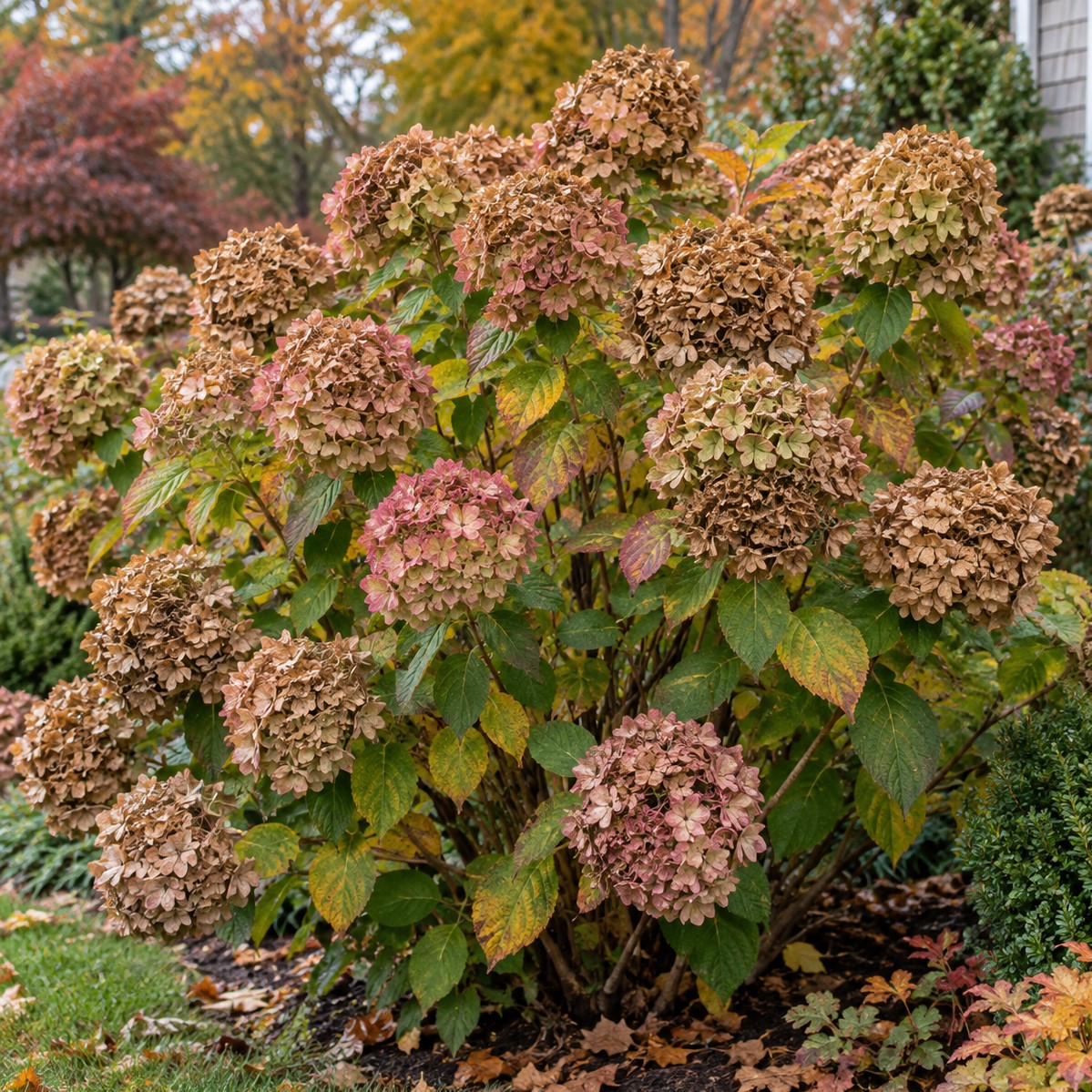
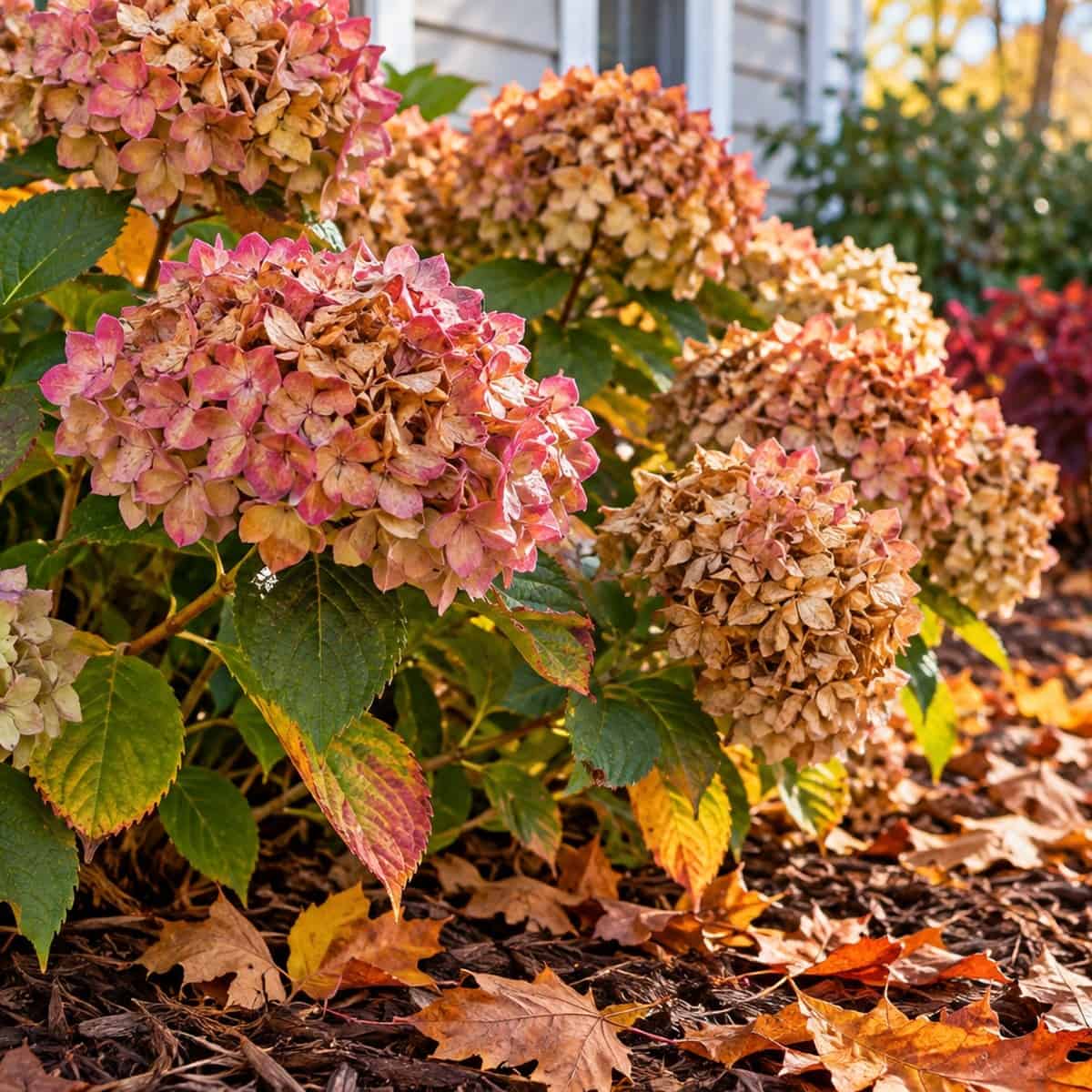
By the time October arrives, most hydrangeas are beginning to show signs of slowing down. Their once vibrant blooms are fading. Their leaves are also starting to change color, and the plants are preparing to go dormant for winter.
But just because your hydrangeas are finishing their growing season doesn't mean it's time to forget about them. In fact, what you do for your hydrangeas in October can have a major impact. Not just for how well they handle the cold winter months - but also how beautifully they bloom next year.
The good news? Preparing your hydrangeas for winter isn't difficult or time-consuming. And with just three simple chores – along with avoiding one very common fall mistake – you can help your plants stay strong, healthy, and ready to put on an incredible display of blooms next spring and summer!
What You Can Do For Your Hydrangeas In October
#1) Give Your Hydrangeas A Good Layer Of Mulch
One of the best things you can do for your hydrangeas in October is to give them a fresh layer of mulch. Although hydrangeas are fairly hardy plants, their roots can still benefit greatly from protection during the winter months.
Mulch helps insulate the soil. It keeps temperatures more consistent as the weather shifts between freezing and thawing. These fluctuations can be especially hard on newly planted hydrangeas, which haven't had enough time to develop an extensive root system.
A good layer of mulch also helps prevent moisture from evaporating too quickly. Even though hydrangeas aren't actively growing during winter, their roots still need some moisture to remain healthy.
For established hydrangeas, apply a two to three-inch layer of shredded leaves, wood chips, or bark mulch. Do this around the base of each plant. Extend the mulch outward to cover as much of the root zone as possible, ideally reaching toward the outer edges of the branches.
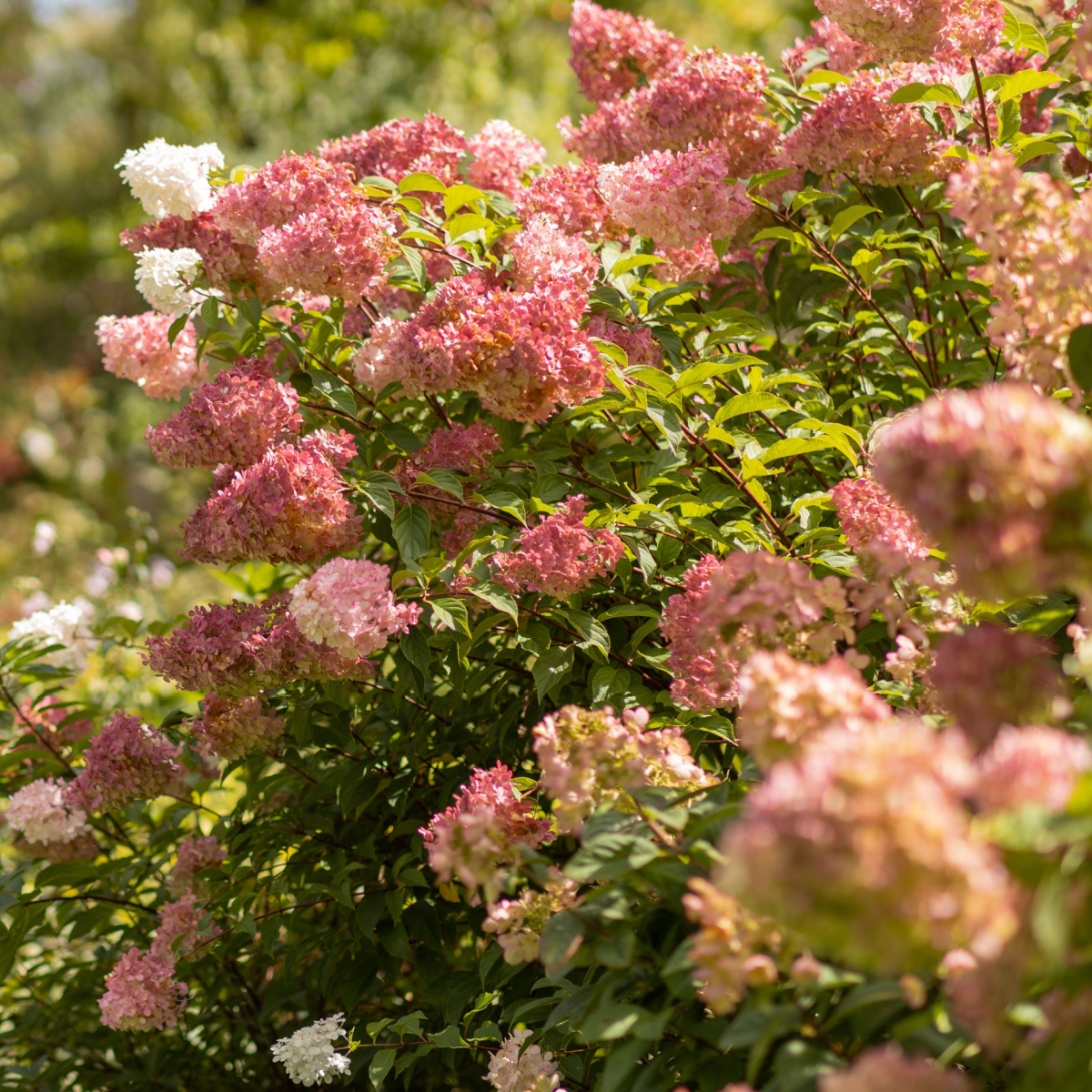
Be sure to keep the mulch a few inches away from the main stems. Piling mulch directly against the base of the plant can trap excess moisture and increase the chance of stem rot.
Protecting Newly Planted Hydrangeas In October
For newly planted hydrangeas, mulching is even more important. Their roots are especially vulnerable to winter damage, and an insulating layer can help protect them through their first cold season.
Shredded leaves are one of the best choices for this job. Not only do they provide excellent insulation, but as they slowly break down, they also add valuable organic matter to the soil.
#2) Make Sure Your Hydrangeas Have Enough Water In October
One of the most overlooked chores when caring for hydrangeas in October is watering. Many gardeners assume that once temperatures begin dropping and leaves start falling, their plants no longer need water.
Unfortunately, allowing hydrangeas to enter winter with extremely dry soil can lead to unnecessary stress and even damage.
Hydrangeas are known for loving moisture. Their large leaves and extensive root systems require a steady supply of water throughout the growing season. And although their water needs decrease as they go dormant, it's still important that their roots don't become excessively dry before the ground freezes.

This is especially true during an unusually dry autumn. If rainfall has been scarce, hydrangeas may enter winter already stressed from a lack of moisture.
The best approach is to check the soil around your plants throughout October. If the soil feels dry several inches below the surface, give the plants a slow, deep watering.
For established plants, watering deeply once every week or two during extended dry periods is usually far better than giving them small amounts of water every day. The goal is to moisten the root zone without leaving the soil soggy.
Newly planted hydrangeas may need more frequent attention since their roots haven't spread far into the surrounding soil.
#3) Protect Your Hydrangeas From Winter Damage
The third important October chore is to prepare your hydrangeas for the cold, wind, and snow that winter can bring. Not all hydrangeas need the same amount of winter protection. In fact, some varieties are extremely cold-hardy and can handle harsh winter conditions with little additional care.
Panicle hydrangeas, such as Limelight, and smooth hydrangeas, such as Annabelle, are generally among the toughest. Both bloom on new wood, meaning their flower buds develop on the growth they produce during the upcoming growing season.

Bigleaf hydrangeas and oakleaf hydrangeas, however, often need more attention in colder climates. Many of these varieties develop their flower buds on old wood – the stems that grew during the previous season.
If those stems or buds are damaged by extreme winter temperatures, the plants may still grow beautiful green foliage the following year but produce very few flowers.
For young or less cold-hardy hydrangeas, October is a good time to gather the materials you'll need for winter protection.
A simple cylinder of wire fencing placed around the plant can provide a framework for protection. Once the plant has gone dormant and cold weather settles in, the enclosure can be loosely filled with dry leaves to help insulate the stems and flower buds.
For established hydrangeas that are well suited to your growing zone, extra protection may not be necessary. But for young plants or varieties that regularly suffer winter bud damage, a little protection can make a big difference in the number of blooms you see next year.
The One Thing You Should Never Do To Your Hydrangeas In October – Heavy Pruning!
Along with those three important chores, there is one common fall mistake that can keep hydrangeas from blooming the following year – pruning them at the wrong time.
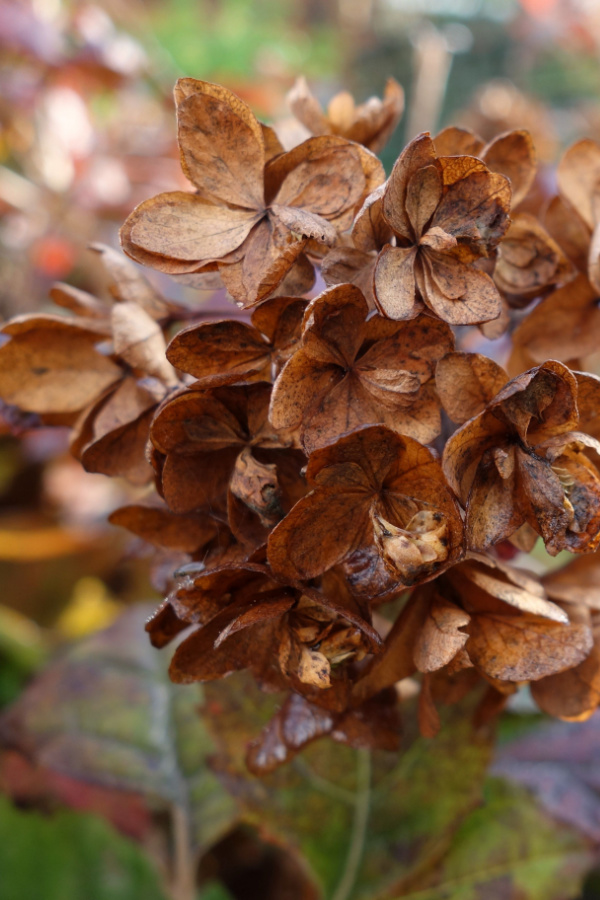
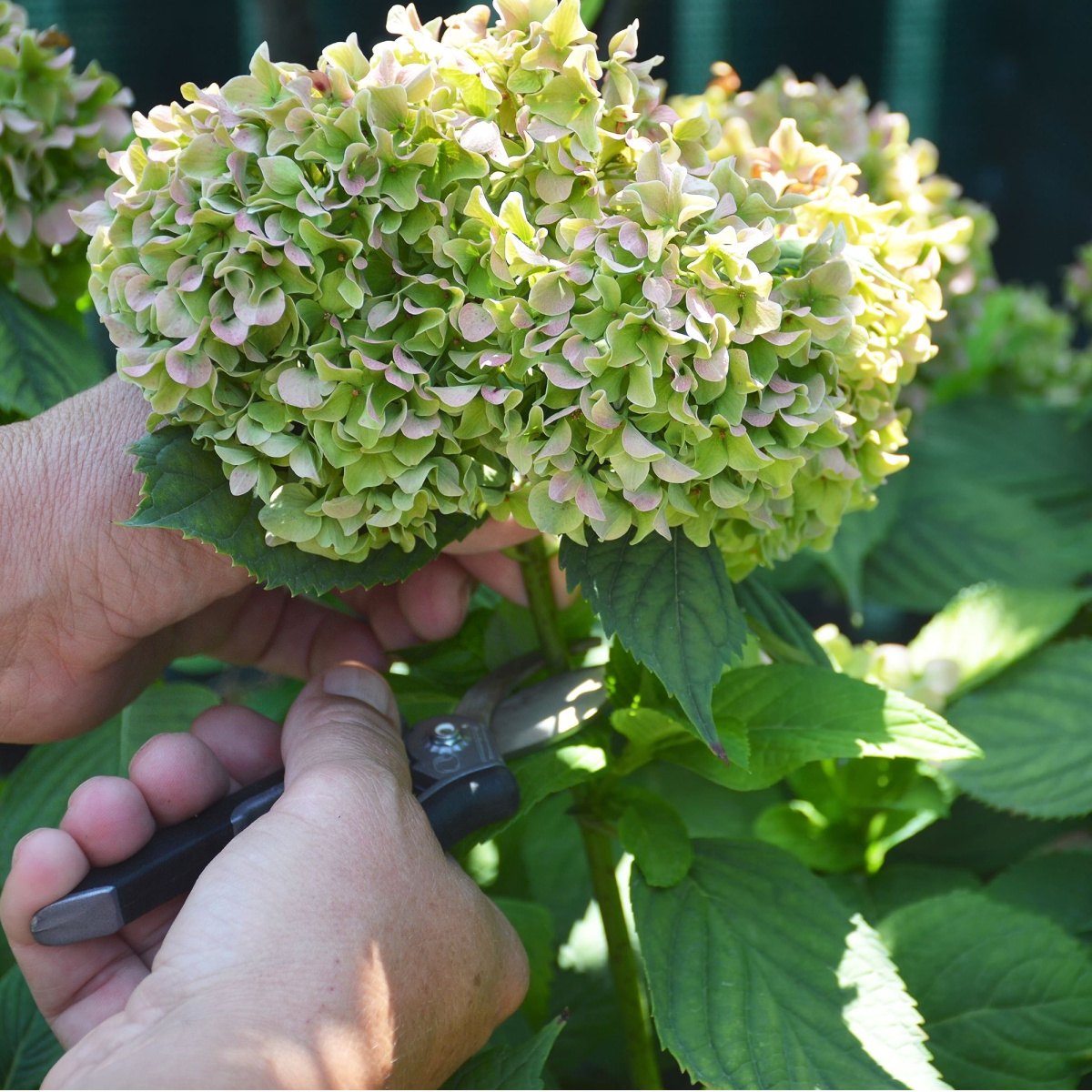
When hydrangea blooms begin fading and their leaves start dropping, it's tempting to grab the pruning shears and cut everything back. After all, the plants can look rather tired and overgrown by October.
But cutting hydrangeas back in fall can be a big mistake, especially if you aren't sure which variety you're growing.
Bigleaf, oakleaf, mountain, and climbing hydrangeas generally bloom on old wood. That means many of their flower buds for next year's blooms are already developing on their existing stems.
If you cut those stems back in October, you can remove the very buds that would have produced next year's flowers!
Even reblooming hydrangeas, which can flower on both old and new wood, may lose some of their early-season blooms if heavily pruned in fall.
Panicle and smooth hydrangeas are different because they bloom on new wood. Although these varieties can tolerate pruning during dormancy, there's usually no advantage to cutting them back in October. Late winter or early spring is generally a better time to handle major pruning.
For now, the best approach is to leave your hydrangeas alone when it comes to heavy trimming.
Should You Fertilize Hydrangeas In October?
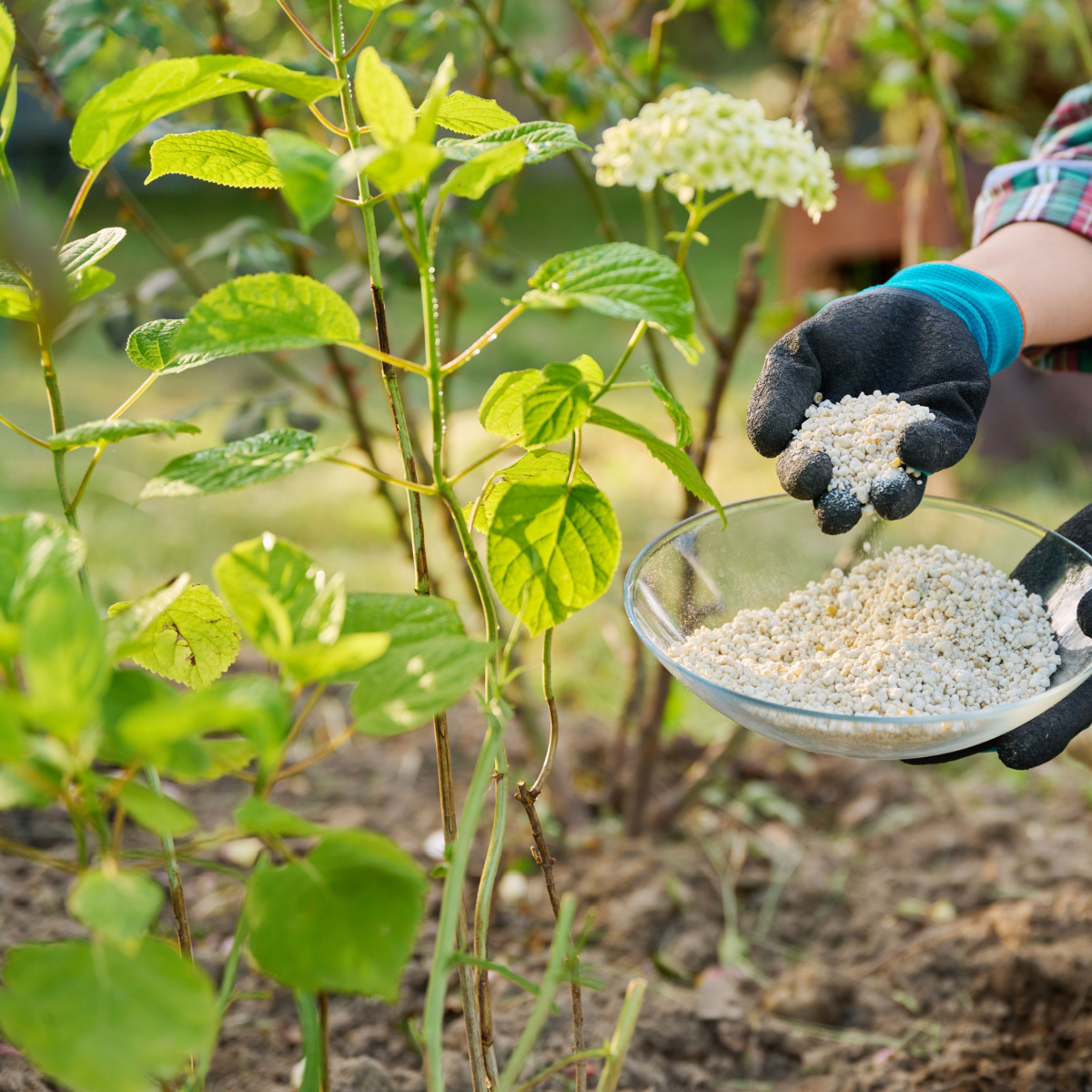
Another important thing to avoid in October is fertilizing your hydrangeas. Although fertilizer can help hydrangeas grow strong and produce beautiful blooms during the growing season, applying it too late in the year can create problems.
Fertilizers that contain readily available nitrogen can encourage tender new growth at a time when plants should be slowing down and preparing for dormancy.
That new growth may not have enough time to harden off before freezing temperatures arrive, leaving it vulnerable to winter damage.
A little attention now can go a long way toward having stronger, healthier hydrangeas – and a spectacular display of flowers next spring and summer! For more on fall gardening, check out our article: The 5 Biggest Fall Flowerbed Mistakes – And How To Avoid Them!
The Simple Garden Life
Follow Our Facebook Page For Even More Great Tips! Simple Garden Life Facebook Page
Simple Garden Life is a website dedicated to keeping gardening fun, simple and enjoyable! We publish two new articles each week along with a new garden podcast episode every two weeks. This article may contain affiliate links.
More Hydrangea
- Should You Cut Old Hydrangea Blooms Off In The Fall? The Truth About Fall Care For Hydrangeas!
- How To Feed Hydrangeas The Right Way This Spring - And Get Big Blooms This Summer!
- What To Do With Old Hydrangea Blooms This Fall - And Why It Matters!
- Why You Need To Deadhead Your Hygrangeas This Summer - And How To Do It!