
Before you toss out the tired potting soil from your hanging baskets and containers this fall, think again – with just a little work now, you can save and recharge that used potting soil and have it ready to grow healthy plants again next spring!
After supporting plants all season, potting soil becomes compacted and depleted of nutrients. Thick masses of roots can also make it difficult for the soil to absorb and hold moisture. For many, the soil looks so bad they simply toss soil and all to the curb.
The good news is that old potting soil is easy to restore. By removing the spent plants and roots and mixing in a few simple ingredients, you can bring it back to life – and save a small fortune when planting next year!
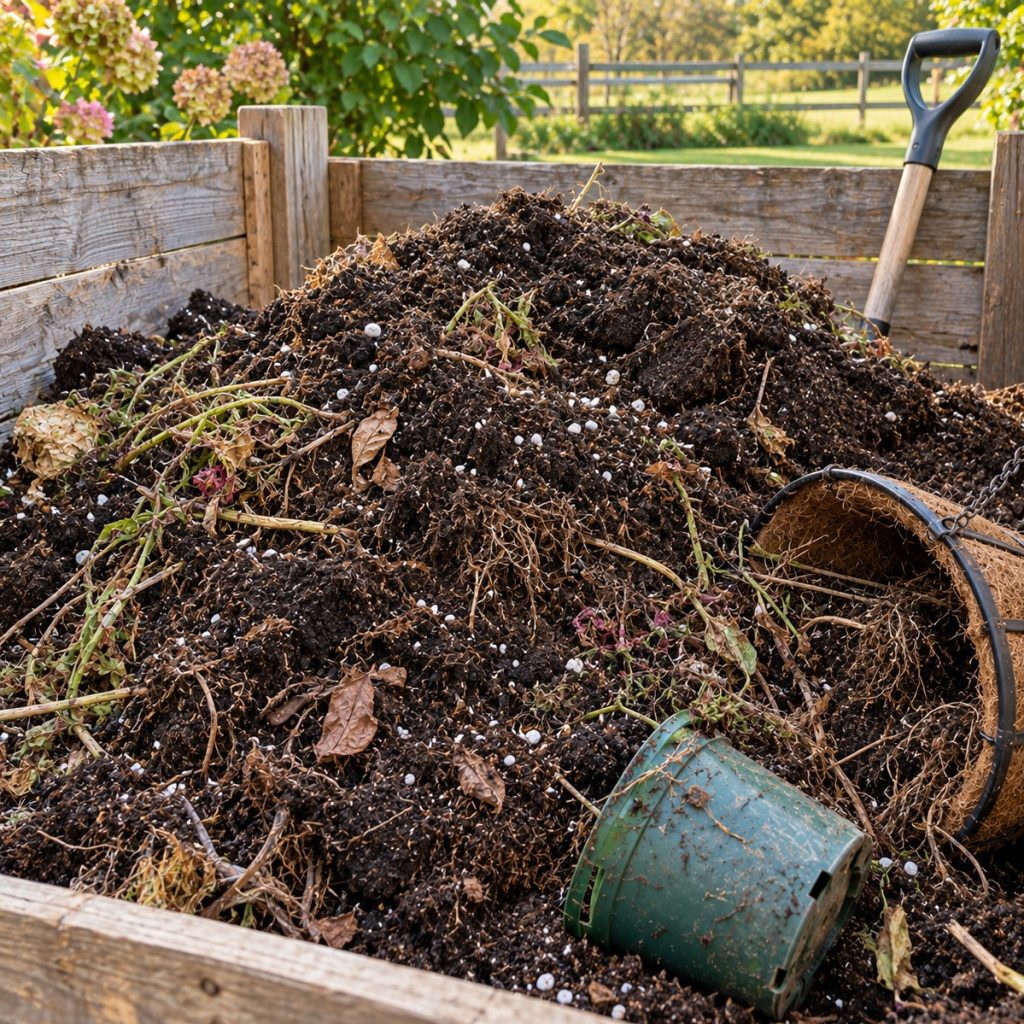
The Best Way To Save & Recharge Used Potting Soil
Recharging Old Potting Soil
You can actually save the potting soil to use again next year by composting it. But not in your regular compost pile but instead a single potting soil compost pile.
This simple practice helps to give new life to tired, lacking soil by recharging it. And that means another year of strong healthy growth for your new hanging basket and container plants – all while saving you money in the long run!
While you can add your hanging basket plants and the potting soil to an existing compost pile, the better option is to create a brand new pile. This will allow you to adjust the materials to create a finished potting soil. One that is perfect for hanging baskets and containers.
In addition, some materials in a traditional compost pile take a long time to break down and decompose. By adding your potted plants and the soil to a separate pile, you can create fast compost that is more than ready for use by next spring or summer.
Creating A Dedicated Compost Pile
The good news is you don’t need to dedicate a large space to saving your old potting soil. A small corner of your garden that has good drainage works well. You can even use a large trash or drum with holes drilled in the bottom. But once you have an area or container, creating the pile is easy.
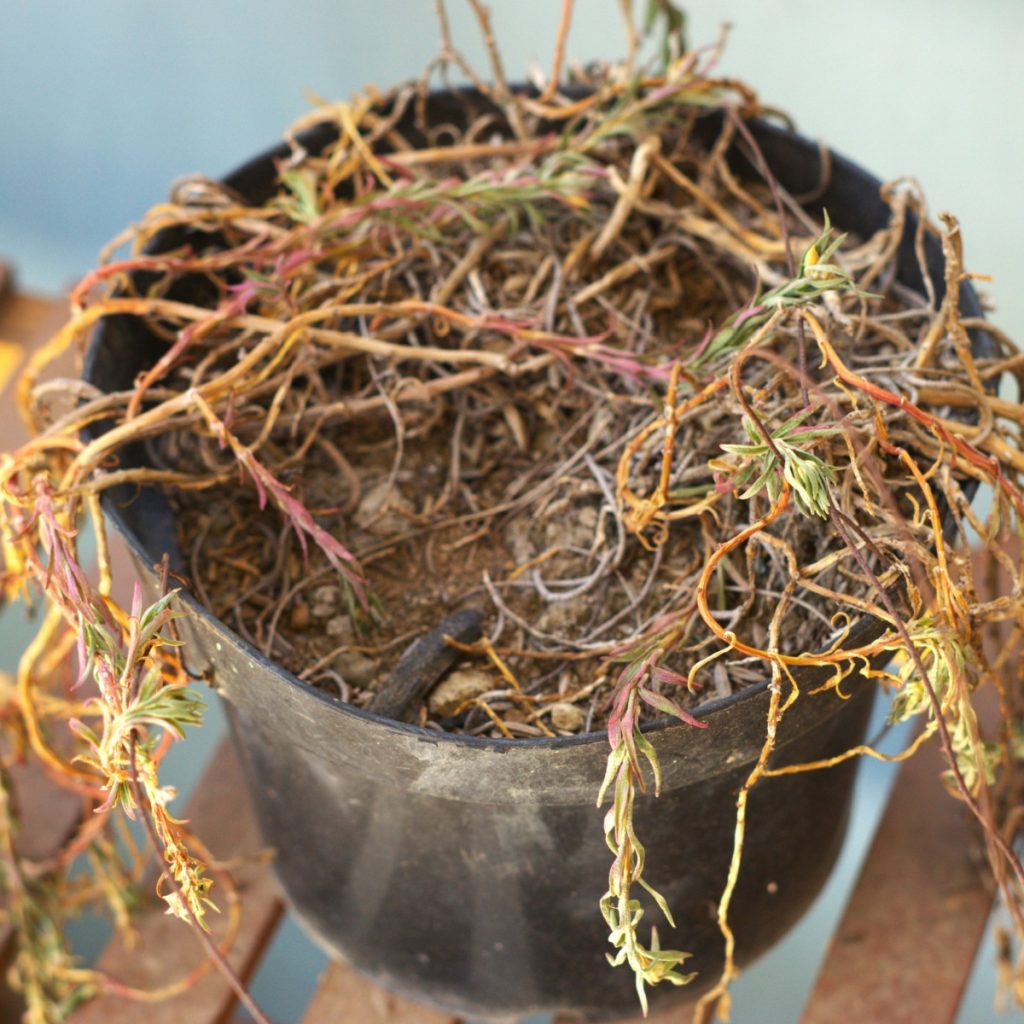
The first step is to always remove any seed heads from your potted or container plants. Also toss any plant or plant material that is diseased. Home compost piles just don’t heat up high enough to kill off the seeds or pathogens that might be hanging around.
Now it’s time to start adding the materials to the pile. One of the biggest keys to having materials break down fast is to chop each material up into small pieces. And that starts with the roots and soil left in the pot!
It takes far longer for an entire potted plant, with all of its roots intact, to break down as opposed to the entire ball of soil being first chopped up. With this in mind, the best thing to do is pop your plants out of their container and slice them up with a shovel or garden knife.
The finer you can chop them up, the better. This will allow the plant material to break down fast for a quick recharge. Affiliate Product Link: The Hori Hori Japanese Stainless Steel Garden Knife
Adding Power When You Save & Recharge Old Potting Soil
The chopped-up potted plants and potting soil will break down fast, but you still need to add a few other materials to help recharge and add new nutrients to the soil.
One of the best materials to add is finished compost, whether homemade or purchased. This helps speed up the process and add loads of organic matter, nutrients and good bacteria that help the pile break down.
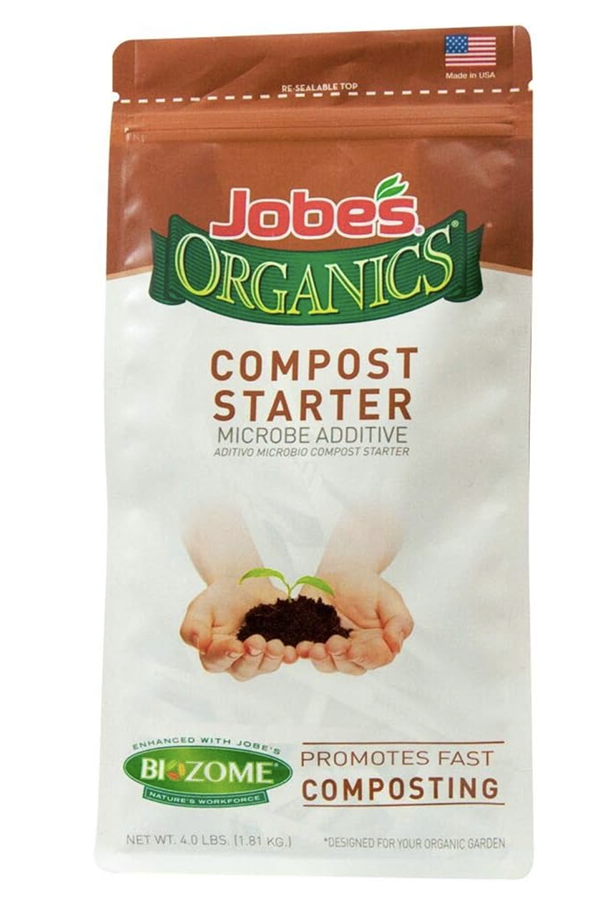
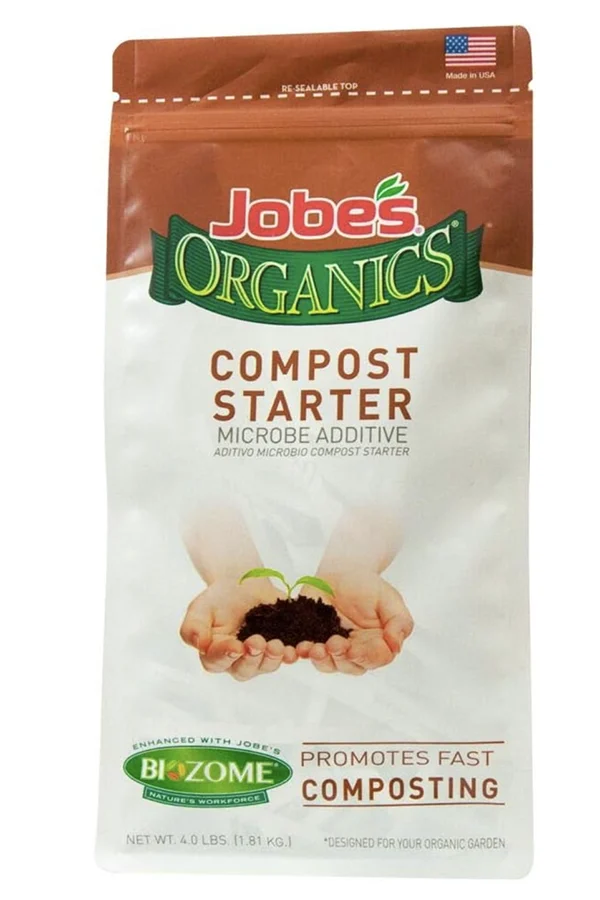
It’s best to add one part finished compost for every 5 to 10 parts of potting soil and plants. An organic compost starter can also be added to help speed up the process even more. Product Link: Jobe’s Organics Fast Acting Granular Fertilizer Compost Starter
Once the compost and old potting soil are in place – it’s time to add a few more great materials that you easily find right around your own home and property. Shredded leaves, grass clippings, coffee grounds, and crushed egg shells are all great options – especially since they are free for the taking!
These small materials all break down easily. At the same time, they add plenty of nutrients and organic matter to your potting soil mixture. Again, just as with the potting soil, chop them up as finely as possible before adding.
It’s best to try to add all of the materials all at once or at least within a few weeks of each other. That way, the pile can break down as a whole without having to break down new materials later. This is quite easy to do in the fall with the abundance of materials on hand!
Maintaining Your Potting Soil Compost Pile
One of the biggest keys to having your potting soil compost pile break down quickly is to turn the pile often. Use a shovel or pitchfork to mix the materials weekly – or even better every few days. This adds oxygen and speeds the decomposition up tremendously. Continue turning the pile regularly until the pile freezes.
Once the pile thaws in late winter/early spring, start to turn again. You can at this point add coffee grounds to help it heat up again. These break down fast and absorb into the pile almost instantly. They also add nitrogen to the soil which helps recharge it even more.


Once planting season arrives, the potting soil should be ready to use. You can then add it to your hanging baskets and containers as is, or use it to fill your seed starting trays to start seed indoors. (See, “How To Make Incredible Seed Starting Soil – With 5 Simple Ingredients!”)
Here’s to saving your old potting soil to use again next year – all without spending a dime!
Simple Garden Life
Follow Our Facebook Page For Even More Great Tips! Simple Garden Life Facebook Page
Simple Garden Life is a website dedicated to keeping gardening fun, simple and enjoyable! We publish two new articles each week along with a new garden podcast episode every two weeks. This article may contain affiliate links.