Coneflowers Done Blooming This Summer? Here's What You Should Be Doing Next!
Wondering what to do with your coneflowers when they are done blooming in late summer? One thing is for sure - a little care at the end of the growing season can make a huge difference in how healthy, colorful, and productive your plants will be next year.
Coneflowers are one of the easiest and most rewarding native perennials you can grow. Their bold, daisy-like blooms and sturdy foliage add months of brilliant color to flowerbeds while providing an important food source for beneficial insects throughout the growing season.
But even though they are low maintenance and easy care perennials - a little work after they bloom can really help them flourish and bloom even better next year! And the best part? It only takes a few simple maintenance tasks to keep them thriving!

What To Do When Your Coneflowers Are Done Blooming
To Deadhead Or Not
Deadheading is the process of removing old, spent blooms from plants. It can be a huge benefit for some flowers like zinnias and petunias. These annuals continue to push out blooms all the way up until the first frost.
However, when it comes to coneflowers, there is some debate on whether plants should be deadheaded or not. Some of it can come down to personal preference. However, realizing how deadheading can benefit your coneflower might make the decision that much easier.
Early on when coneflowers just start to produce blooms, they can benefit from deadheading the first fading blooms. This not only keeps plants looking nice and tidy, but it can actually strengthen plants and allow them to produce more blooms during the same season.
Coneflowers only produce flowers around a four to six-week time frame, depending on the growing conditions and climate. Once a bloom has finished growing, the plant starts to turn into a seed head.

By cutting off those early dying blooms, the plant has more energy and resources to spend on making or supporting new blooms as opposed to creating an over abundance of seed heads.
Late Season Blooms
Later in the season when the weather starts to cool, coneflowers start to slow down on setting blooms. At this point, you can leave behind the dying seed heads if preferred.
Birds and other wildlife can then eat the seeds that are left behind on the plants. If any seeds are left behind after the hungry wildlife has been through, they can be also be collected for self-sowing the following year.
Saving Coneflower Seeds After They Are Done Blooming
Instead of letting all the birds enjoy the seeds, you can steal some to save for yourself. It’s actually an extremely easy way to grow new plants – and all for free.
After you deadhead a faded bloom, put it in a safe place to dry out naturally. Leaving them in the sun helps to speed up the process. Just be sure to protect them from moisture and hungry birds.
Once the seed heads have turned brown and are dry, it’s time to collect the seeds. The simplest way is to remove them by rubbing the seed head between your fingers. The dry seeds usually pop out with ease.
Store the seeds in a dry, cool location. When spring arrives, you can sow the seeds to start brand-new coneflower plants. See, “How To Grow Coneflowers – A Stunning Drought Resistant Perennial!”
Listen In To Our Latest Podcast Below

Cutting Back & Dividing
Another way to help prepare coneflower for winter after it stops blooming is to cut back the plants. One of the biggest reasons for cutting back plants is to keep the appearance of your flowerbeds more tidy.
But there is another good reason to cut back your coneflowers. Many pests and insects like to overwinter in plant foliage and debris. And by removing any dead plant material, you also help to remove the increased chance of overwintering pests.
In addition, by cutting back the stems to 3 to 5 inches above the soil, the plants can focus their remaining energy and resources on strengthening their root systems for next year’s growth.
Instead of leaving the last of the blooms behind on plants, remove the stems and seed heads and place them somewhere where the birds have access to them during the late fall and winter months. This then allows you to cut back the coneflowers while feeding the birds at the same time.
You can also at this point divide the plants if they have grown unruly or become a bit too large for their space. It’s an excellent way to get brand new plants – and all for free!
Dividing Coneflower After It Stops Blooming
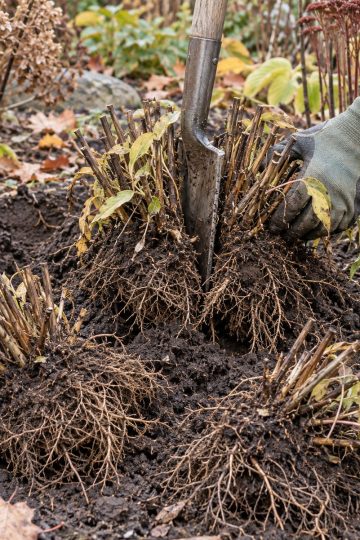
To divide coneflowers, simply take a sharp shovel or spade and dig a few inches around the perimeter of the plant. Gently lift the plant from the soil. Next, use a handheld shovel or a garden knife to then slice the plant into pieces. Product Link: Black Iron Hori Hori Garden Knife
When cutting, make sure that each piece has at least a few inches of shoots and roots for replanting. Replant the healthy cuttings as soon as possible to give the plants time to establish before winter arrives.
When replanting, add plenty of compost into the growing hole. The compost will help kick-start the new growth. There is no need for any additional fertilizer beyond just the compost. Space plants about 18 to 24 inches apart and water in well.
A Few Late Season Care Tips
Before winter arrives, there is one more chore you can do to help prepare them for the cold and that’s to mulch. Add a 2 to 3-inch layer of natural mulch like straw or shredded leaves. This will help to protect any new growth on plants. Avoid letting the mulch touch the stems if possible to avoid excess moisture or rotting.
Lastly, do not fertilize coneflower after it stops blooming. Late season fertilizing will encourage plants to push out new growth. This new growth is then susceptible to damage from the winter.
Here’s to giving your coneflower plants the best chance of surviving winter and starting spring off strong and healthy!
Simple Garden Life
Follow Our Facebook Page For Even More Great Tips! Simple Garden Life Facebook Page
Simple Garden Life is a website dedicated to keeping gardening fun, simple and enjoyable! We publish two new articles each week along with a new garden podcast episode every two weeks. This article may contain affiliate links.
More Uncategorized
- 5 Perennial Flowers You Can Still Divide In October – Fill Your Flowerbeds Now For Next Year!
- How To Eliminate Chickweed From Your Flowerbeds Once And For All!
- The One Big Mistake Gardeners Make With Lavender Plants In Spring - And How To Avoid It!
- The Best Way To Start Vegetable Seeds Indoors - And When To Do It!