2 Simple Secrets To Bring Your Rose Bushes Back To Life In The Summer
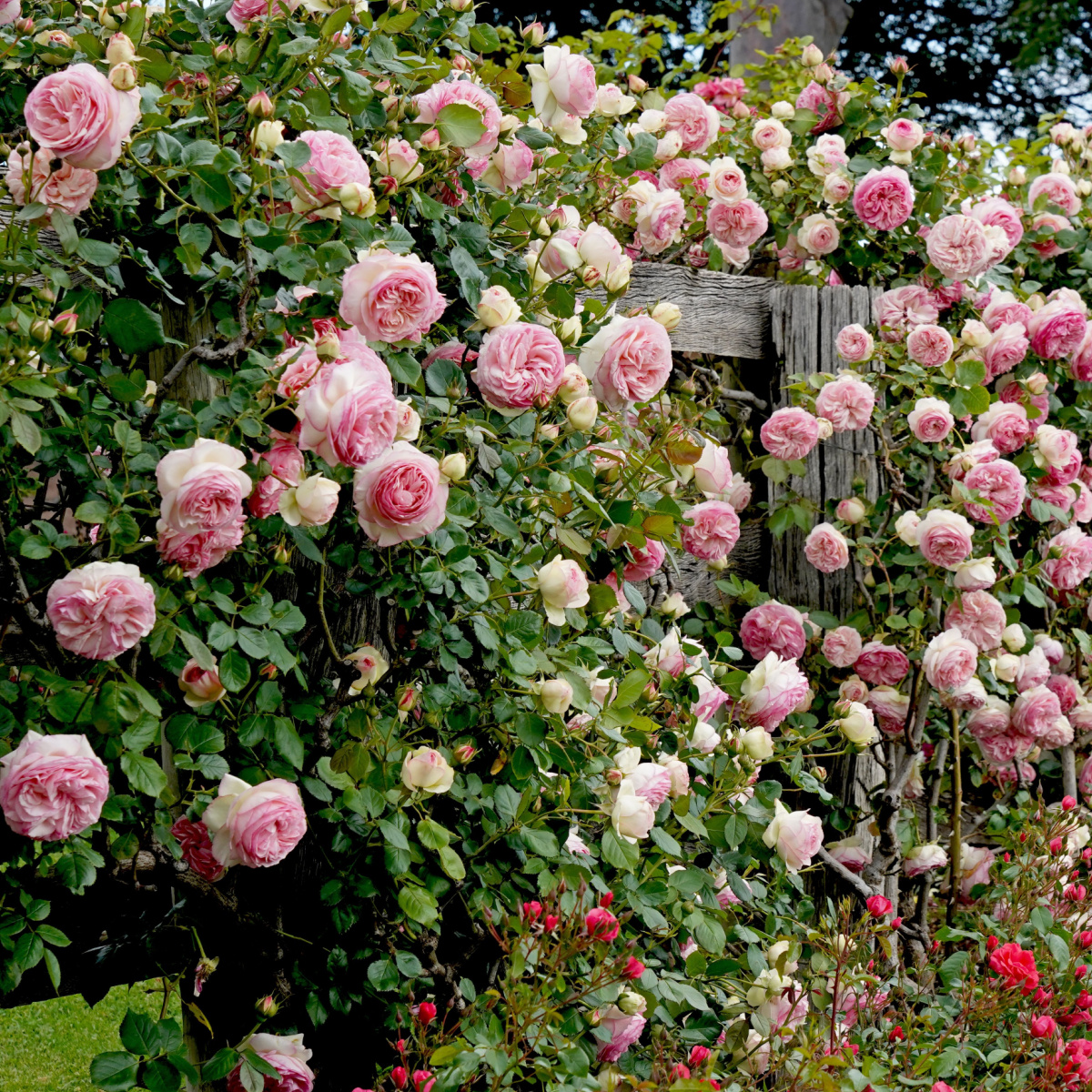
Want to bring those tired rose bushes in your flowerbeds back to life this summer and get them blooming strong and bright again? The secret is simpler than you might think. In fact - it all comes down to deadheading faded blooms and fertilizing your rose bushes on a regular schedule!
Unfortunately, by mid-summer, many rose bushes begin to lose their sparkle. Their once deep green foliage starts to fade, fewer blooms appear, and the flowers they do produce often become smaller and less impressive. Even worse, weak, stressed plants are far more vulnerable to insects and disease, making regular summer care more important than ever.
The good news? By simply fertilizing your roses throughout the summer – and taking care of old blooms as they fade – you can not only keep your roses healthy and full of life, but also give them the best chance of producing more rose blooms than ever!

How To Bring Your Rose Bushes Back To Life In The Summer
Deadheading Old Rose Blooms
More than anything else, summer is THE time to deadhead your roses. The term “deadheading” refers to the process of trimming or cutting spent or dead blooms off of plants. Most all flowering plants, whether they are annuals or perennials benefit from this simple chore. And roses definitely fall in to this category.
Even though the fading blooms are dying, they still continue to use up valuable resources and energy from the plant and soil. But when you remove the blooms, the plant is able to instead refocus its energy on producing more shoots, stems, and blooms.
Deadheading is especially important for rose varieties that continually produce blooms throughout the summer months. This includes climbing roses and everblooming roses. Even the ever popular Knock Out rose varieties still benefit from deadheading.
How To Deadhead Rose
Deadheading roses isn’t difficult or time consuming. In fact, by simply performing the chore once a week throughout the season, you can more than keep the energy flowing for new blooms.
To deadhead, use a pair of sharp scissors or garden shears to clip the stem of the spent bloom off. It’s important to take a few inches of the stem so that three or four of the leaf segments are removed as well. Affiliate Product Link: 8″ Professional Premium Titanium Bypass Pruning Shears

One final note on deadheading, always be sure to sanitize your cutting tools between roses. If there is disease present, it will keep it from spreading to the next bush from the blades on your pruner. To sanitize, simply wipe down with a bleach wipe.
Now on to the second big task – fertilizing!
How To Fertilize Your Rose Bushes To Bring Them Back To Life This Summer
Roses are heavy feeders and will quickly deplete all of the nutrients and resources in the soil by the time mid-summer arrives. If the soil doesn’t get replenished, your plants will slow growth. They may even stop producing blooms altogether.
That’s where a timely dose of fertilizer comes into play. But as for how often to power your roses, that will all depend on the type of rose you are growing.
For roses that are growing in pots or containers, they will need to be fertilized more often. This is because they only have a small amount of growing medium and resources and they can quickly be depleted from the soil.
Tea roses, Grandiflora, and miniatures roses will also need more frequent doses as well since they continually put on blooms. More mature shrubs and climbing roses, however, will require less fertilizer during the summer.
Listen To Our Latest Podcast Below!

The Best Way To Feed Rose Bushes
There are many different types of commercial fertilizers on the market nowadays, but you can also use organic products like worm castings and compost to create your own fertilizer if you desire. Both can work equally well.
All fertilizers will provide plants with a certain amount of nitrogen, phosphorus, and potassium (shown as N-P-K on packages). However, roses also benefit from additional doses of manganese, calcium, sulfur, copper, and other micro-nutrients.
It’s best when purchasing fertilizers to look for ones that are specific for rose bushes. This will ensure your roses get the nutrients they need to stay healthy – and more importantly – keep blooming. Affiliate Fertilizer Link: Great Big Roses – Soil and Fertilizer Booster to Grow The Best Roses and Flowers
How & When To Apply
For purchased liquid or granular fertilizers, be sure to read the label instructions. It’s always best to go on the more conservative side when applying commercial fertilizers. That means applying it at about ⅔rds of the recommended rate.
If using compost tea or worm casting tea to fertilize, aim for using about one gallon of water per plant. Water plants at the roots as well as directly on the foliage for double the absorption power. See our article: How To Make Compost Tea
As for how often, you should be fertilizing every 2 to 3 weeks throughout the spring and summer months for potted roses. For tea roses, Grandiflora and miniatures roses, about every 3 to 4 weeks. And for shrub and climbing roses, once every two months.

With all fertilizers, be sure to apply them early in the morning and not during the heat of the day. This can often burn the plants from the sun, especially if it is liquid fertilizer.
Do not add any fertilizers about eight weeks prior to your first frost date for your location. Any young, new growth after this point will be susceptible to damage from colder temps and frost.
A Few Extra Tips
Be sure to water roses deeply during overly dry spells during the summer months. Avoid watering bushes overhead since having water in the blooms and on the foliage can cause them to be more susceptible to diseases.
Water deeply early in the morning. Apply enough so that the water can reach about a foot down around plants. Adding mulch can be a great way to help retain moisture and cut down on watering. It also helps keep competing weeds at bay.
When deadheading spent blooms, you can also lightly prune rose bushes during the summer months as well. Not only will this help to keep them tidy, but it will also keep the plant healthier too.
Roses can become victims of powdery mildew, black spot, and rust. You can remove individual leaves, or prune entire stems. Clip the shoots and stems that are showing signs of damage or that have simply started to get a little unruly.
Here is to bringing your roses back to life this summer – and to more blooms than ever!
Simple Garden Life
Follow Our Facebook Page For Even More Great Tips! Simple Garden Life Facebook Page
Simple Garden Life is a website dedicated to keeping gardening fun, simple and enjoyable! We publish two new articles each week along with a new garden podcast episode every two weeks. This article may contain affiliate links.