The 3 Best Annual Flowers To Save Seeds From In September - And How To Do It!
Looking for a few of the best annual flowers to save seeds from this September to grow again next year – all for free?
September is one of the best times of all to collect flower seeds. By this point in the growing season, many annuals have been producing blooms for months. When blooms are left on the plant instead of being deadheaded, they begin to dry out. They then form mature seeds that can be harvested and saved for next year.
One thing is for sure, saving seeds from annual flowers is one of the easiest and most economical ways to fill your landscape with color year after year. Instead of purchasing new seed packets or transplants every spring, you can collect hundreds – and sometimes thousands – of seeds from plants already growing in your yard.

The 3 Best Annual Flowers To Save Seeds From In September
Why September Is The Perfect Time To Save Annual Flower Seeds
One of the biggest mistakes gardeners make when saving flower seeds is harvesting them too early. Seeds need time to mature on the plant before they are collected. If you pick a flower head while it is still green or moist, the seeds inside may not yet be mature enough to germinate the following spring.
That is exactly why September can be such a great month for seed saving. Many flowers that bloomed in July and August now have old flower heads that have had plenty of time to mature and dry.
The key is to look for flower heads that are brown, brittle and dry. For the best results, harvest on a warm, dry day. Moisture is the enemy of stored seeds, so the drier the flower head is when you collect it, the better.
When it comes to easy annuals for saving seeds, it’s hard to beat marigolds, zinnias and cosmos. All three produce an abundance of easy-to-harvest seed, making them perfect for even the most inexperienced seed saver. Here is a look at how to harvest, dry and store their seeds for planting next year!
#1 Marigolds - The Easiest Of All Annual Flowers To Save Seeds From!
If there is one annual flower that makes seed saving almost ridiculously easy, it has to be the marigold. Marigolds are prolific seed producers. Even better, every spent flower head can contain a surprising number of seeds. Allow just a handful of blooms to mature on a few plants and you can easily have enough seed to plant an enormous amount of marigolds next spring.

To save the seeds, stop deadheading a few of your healthiest and most colorful plants. Let the old blooms remain in place until the flower head turns completely brown and feels dry and crisp to the touch.
Once dry, snip the flower head from the stem. Next, pull away the dried petals and flower material. Inside, you will find long, slender seeds that are usually dark on one end and lighter on the other.
Marigolds are particularly nice for seed saving because the seeds are large enough to see and handle easily. Once the flower head has dried, the seeds can simply be pulled free. It's best to let spent marigold blooms dry on the plant, then cut or pull off the dry seed pods and allow them to air-dry a few more days before storing.
To do this, spread the seeds on a paper towel or paper plate for several days to make certain they are completely dry before storing.
#2 Zinnias
Zinnias are another annual that is wonderful for saving seeds – especially if you have a particular plant with a flower color, shape or size you love.
The most important thing with zinnias is patience. A zinnia flower can look finished long before its seeds are actually ready to harvest. Instead of cutting the bloom as soon as its petals begin to fade, leave it on the plant until the entire flower head becomes brown and dry.
For best results, select blooms from your strongest and healthiest plants. Avoid saving seed from plants that struggled with disease or performed poorly. Instead, collect from the zinnias that flowered heavily and had the traits you enjoyed most.

Once a zinnia flower head is completely dry, cut it from the plant and bring it indoors. Pull the flower head apart over a paper plate or tray. The mature seeds are located throughout the dried flower head, including at the base of the dried petals. Zinnia seed heads should be harvested after they dry but before they begin falling apart and naturally dispersing their seed.
After separating the seeds from as much of the dried plant material as possible, spread them out and allow them to dry for another few days before storing.
One zinnia flower can provide quite a few seeds. Save several flower heads and you can quickly accumulate enough seed to create an entire bed of zinnias the following year – without spending a dime!
#3 Cosmos
Cosmos round out our list, and they might be the easiest of all three when it comes to actually seeing when their seeds are ready.
As cosmos flowers fade, their centers begin producing long, slender seeds. As they mature, the seeds darken and the flower head dries. Eventually, the seeds loosen and fall to the ground, which is why timing your harvest is so important.
You want to collect cosmos seed heads when they are brown and dry – but before all of the seeds have dropped. Simply hold a paper bag, envelope or container beneath the dried flower head and gently pull or shake the mature seeds free. If some of the seed heads aren't quite dry enough, cut them from the plant and allow them to finish drying indoors.
Cosmos are prolific seed producers, so it doesn't take many plants to provide all the seed you need for next year. In fact, if you don't collect the seed, cosmos can often do the job themselves by dropping seeds around the base of the plant.
When saving cosmos seeds, remember that the ideal harvest window is after the flower has browned and dried but before the seeds naturally disperse.

How To Dry & Store Your Saved Flower Seeds
No matter which annual seeds you save, proper drying and storage are critical. Never put freshly collected seeds into a sealed container if there is any chance they still contain moisture. Even a small amount of moisture can lead to mold, mildew and rot during the winter months.
After harvesting, spread the seeds in a single layer on a paper plate, newspaper or paper towel. Keep them in a warm, dry location out of direct moisture for several days. Seeds need to be thoroughly dry before they go into long-term storage. See our article: The Best Way To Store Vegetable & Flower Seeds Over Winter – How To Keep Seeds Fresh!
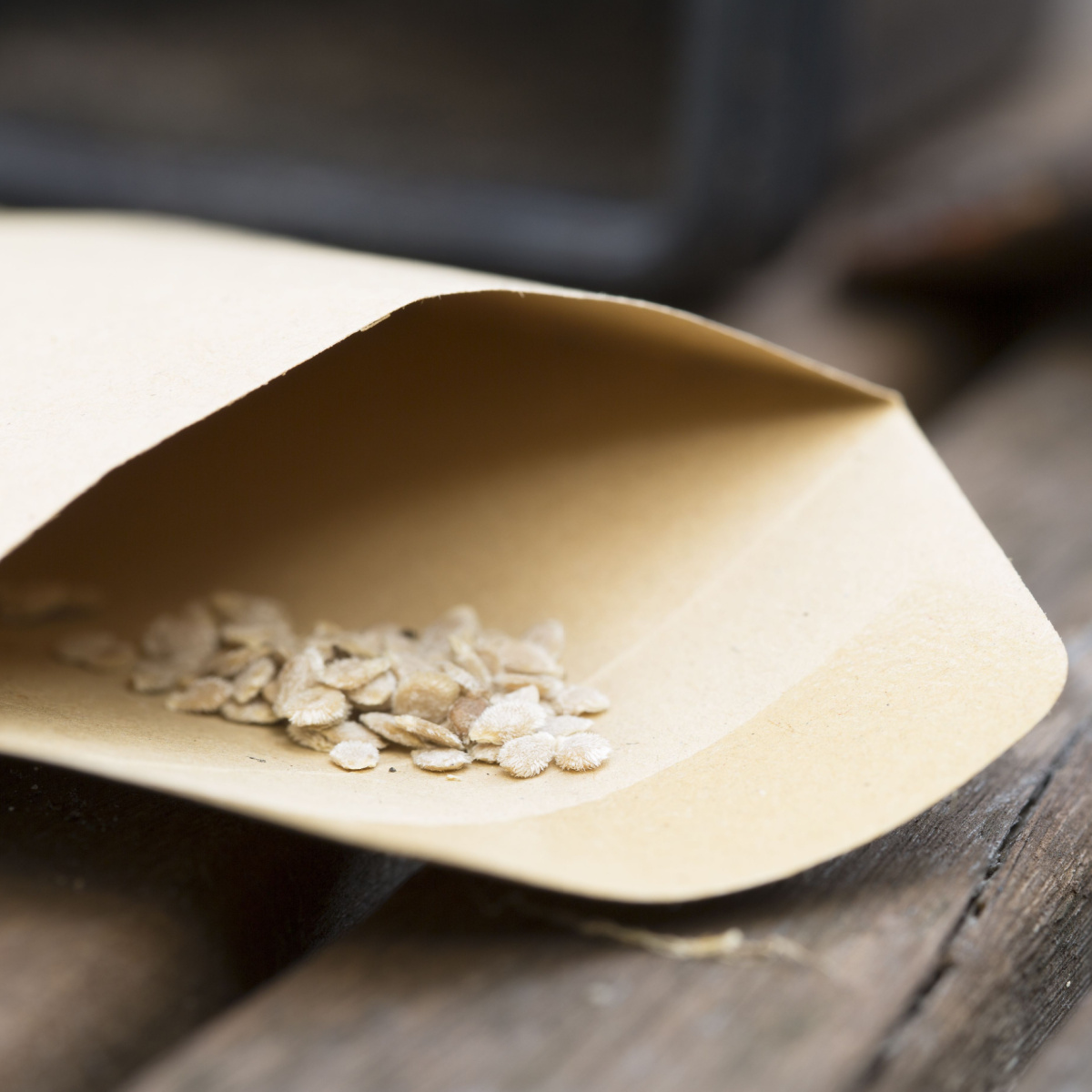
Once dry, place the seeds into individual paper envelopes. Be sure to label each envelope with the flower variety, color if known, and the year collected. It can be surprisingly difficult to remember what is what when planting season rolls around next spring. There are some excellent resealable seed packets that make this easy! Affiliate Link: Small Seed Envelopes 2.75" x 3.74" Resealable Seed Storage Packets
Keep the envelopes in a cool, dry and dark location until planting time. The goal is simply to protect the seeds from heat and moisture while they are dormant.
And that's it! With just a few minutes of effort this September, your fading marigolds, zinnias and cosmos can provide more than enough seed to fill your flowerbeds with gorgeous blooms again next year – without having to purchase a single plant!
The Simple Garden Life
Follow Our Facebook Page For Even More Great Tips! Simple Garden Life Facebook Page
Simple Garden Life is a website dedicated to keeping gardening fun, simple and enjoyable! We publish two new articles each week along with a new garden podcast episode every two weeks. This article may contain affiliate links.