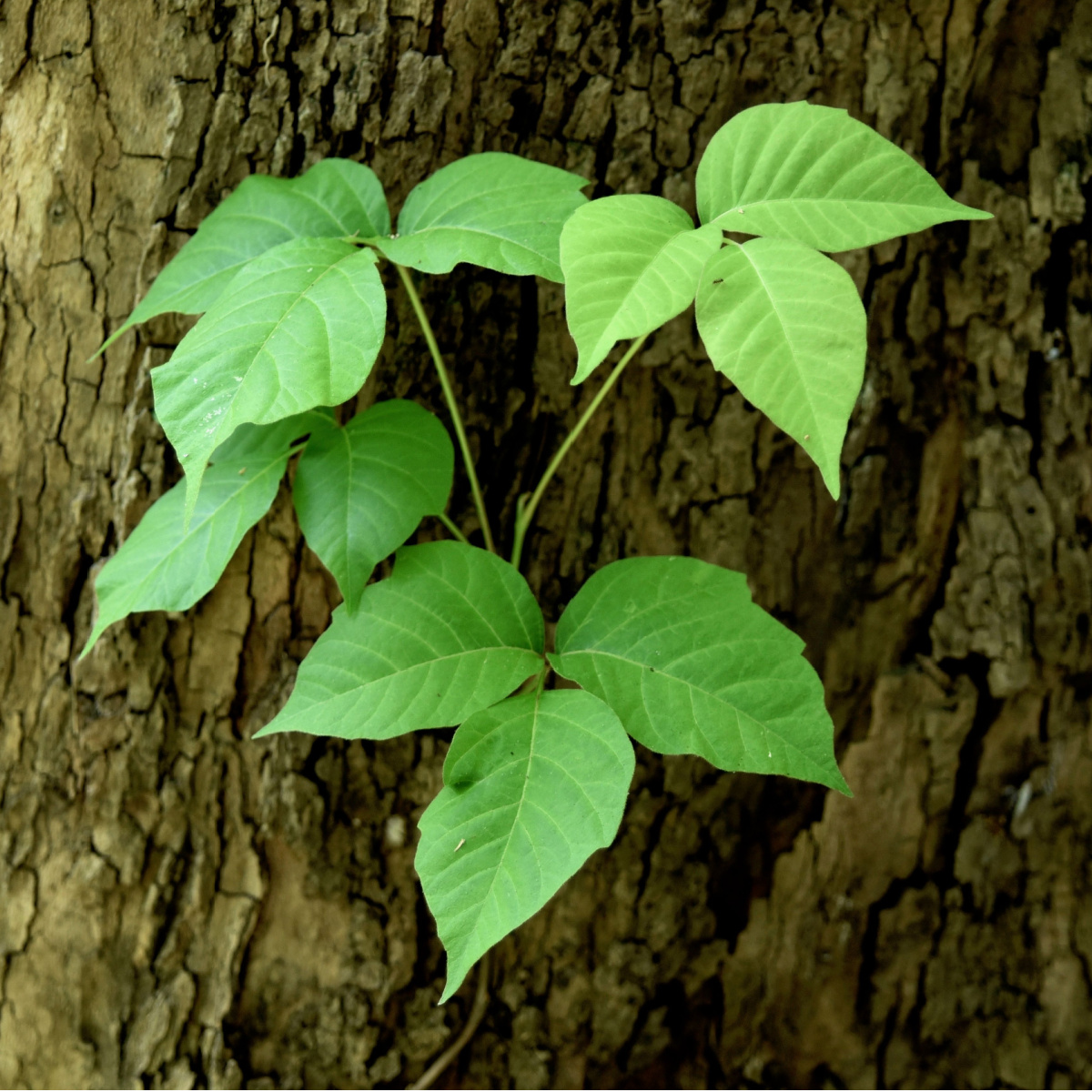
How To Get Rid Of Poison Ivy This Fall – Before It Takes Over Next Spring!
Looking to get rid of the poison ivy in your yard once and for all this fall?
Poison ivy can turn a simple garden chore into days of itching and discomfort. Its irritating oil can cause a rash that lasts for weeks – and you don’t have to touch the leaves to come into contact with it.
The stems and roots contain that same oil, too. Getting rid of poison ivy takes more than cutting away the foliage, but a careful approach now can help you reclaim your landscape!

How To Get Rid Of Poison Ivy This Fall
Why Fall Is The Best Time To Get Rid Of Ivy
While poison ivy poses a threat all year, including when it’s dormant in winter, fall is one of the best times to eliminate it. Why? There are actually two key reasons that make autumn the ideal time for elimination.
First, poison ivy stands out in early fall, as it’s among the first plants to change colors. Its vibrant autumn hues—ranging from golden yellow to deep crimson make it easy to spot and target for removal.
Second, the plant weakens as it begins to lose its leaves in autumn. Unlike the growing season, when poison ivy is at its strongest, early fall is when it’s most vulnerable. Which is exactly why it’s the ideal time to apply natural sprays to help you wipe it out for good.
With that in mind, here is a look at three methods to get rid of poison ivy, all of which can end the nightmare of poison ivy in your yard!
3 Simple Ways To Stop Ivy THis Fall
Method 1: Digging Poison Ivy Out by Hand
While this is the most labor-intensive method of the three, manually digging out poison ivy is quick and effective—if done right. And although it can seem scary to take care of plants by hand, with the right precautions, it's very safe. And very effective!

Poison ivy can be difficult to spot in spring and summer, as it blends with other plants. However, by September and early October, its vibrant colors make it easy to identify and remove.
The key to successfully removing poison ivy by hand is to dig out all the roots. Trace the main stem of the plant down to the ground and dig out the roots at least 6-8 inches deep. Be sure to bag the leaves, stems, and roots, and dispose of them properly with your yard waste.
Use Caution
A critical safety tip: never burn poison ivy. The toxic resin can become airborne and cause serious respiratory issues. Always wear protective gloves and clothing when handling poison ivy, and be careful when washing your clothes afterward to avoid spreading the resin.
Method 2: Stopping Ivy with Horticultural Vinegar
Don’t feel like getting too close to dig out poison ivy by hand? The good news is there are two other easy ways to get rid of it for good!
One of the most effective ways to get rid of poison ivy quickly is by using horticultural vinegar. This type of vinegar has a much higher acidity than regular kitchen vinegar, which typically ranges from 4% to 5%. Horticultural vinegar, however, can have an acidity level as high as 30% to 45%.
That high acidity is exactly what makes it so potent against poison ivy, especially in fall when the plant is already weak. Using it is simple: just pour the vinegar into a spray bottle and apply it directly to the poison ivy leaves. Affiliate Link: MAXTITE 45% Strength Pure Concentrated Vinegar for Home & Garden

Since horticultural vinegar is quite strong, always wear protective gloves and eye wear while handling it. It’s acidic enough to cause burns if it touches your skin or eyes, but it works wonders on poison ivy!
When spraying, do so in the heat of the day and under direct sunlight for maximum effect. Be cautious to spray only the poison ivy leaves, as vinegar can kill any plant it contacts. For full eradication, you’ll likely need to apply the vinegar a few times, a few days apart, until the poison ivy is completely dead.
Method 3: Using Salt Water Spray for Smaller Plants
Last but not least, another easy homemade spray for eliminating poison ivy is to use salt water. This method works best on smaller poison ivy plants and is a less acidic alternative to vinegar.
To make the solution, mix 2 cups of salt with ½ gallon of water. For added effectiveness, you can mix in a few drops of dish soap to help the solution adhere to the leaves.
Just like the vinegar solution, salt water will harm any plants it touches, so be careful to apply it only to the poison ivy leaves. You’ll need to spray the plants a few times to ensure the ivy dies down to the roots. Applying it on the hottest of fall days will increase its effectiveness.
This method is great for small plants, but will usually not work to totally kill large, deep rooted ivy. But whether you use salt water, vinegar, or hand pull out your poison ivy plants this fall, taking care of the issue now will result in a much safer yard to work and play in next spring and summer!
For more fall related articles, check out our Fall Gardening Tab on the website!
Simple Garden Life
Follow Our Facebook Page For Even More Great Tips! Simple Garden Life Facebook Page
Simple Garden Life is a website dedicated to keeping gardening fun, simple and enjoyable! We publish two new articles each week along with a new garden podcast episode every two weeks. This article may contain affiliate links.