
Why is September the most important month to feed hummingbirds? Because for many hummingbirds, September is not simply the end of summer. It is the beginning – or middle – of an incredible journey south.
After spending spring and summer nesting and raising their young, they must now travel hundreds or even thousands of miles to reach their winter homes. All of that flying requires an enormous amount of energy. And as late-summer flowers begin to fade, natural nectar can become harder to find.
Even if the familiar hummingbirds from your yard seem to have disappeared, others may still be coming. September feeders often serve birds migrating from areas much farther north. For these tiny travelers, your backyard can become an important refueling stop on the long road south!
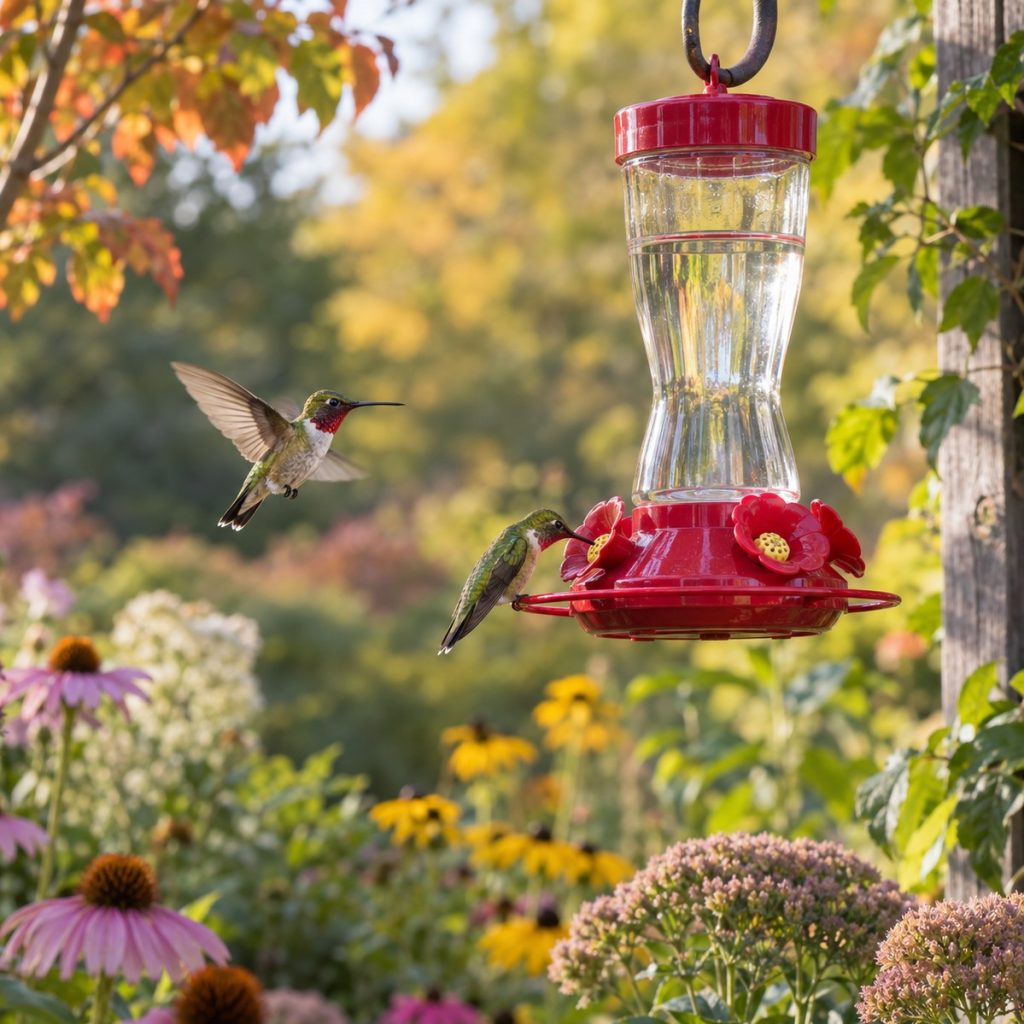
The Most Important Month To Feed Hummingbirds – September!
Why Hummingbirds Migrate In The Fall
Most hummingbirds that spend summer in the northern United States and Canada migrate to warmer regions for winter. Ruby-throated hummingbirds – the species most commonly seen throughout the eastern United States – generally travel south toward Mexico and Central America.
The shortening days of late summer help trigger the urge to migrate. Adult males are often among the first to leave, followed by females and then young birds making the journey for the very first time.
That staggered departure is one reason hummingbird activity can continue well into September. The birds visiting your feeder late in the month may not be the same ones you watched all summer. They may have arrived from hundreds of miles away and stopped only briefly before continuing south.
How A Quick Meal Can Make A Big Difference
Hummingbirds do not usually complete their fall migration in one continuous flight. They travel in stages, stopping along the way to rest and feed. Each stop gives them a chance to replace the energy they have used and prepare for the next portion of the trip.
Before and during migration, hummingbirds eat heavily and add body fat. That stored fat acts as fuel when they must fly for long stretches without finding food. Some ruby-throated hummingbirds even cross the Gulf of Mexico, a remarkable nonstop flight over open water where there are no flowers or feeders waiting below.
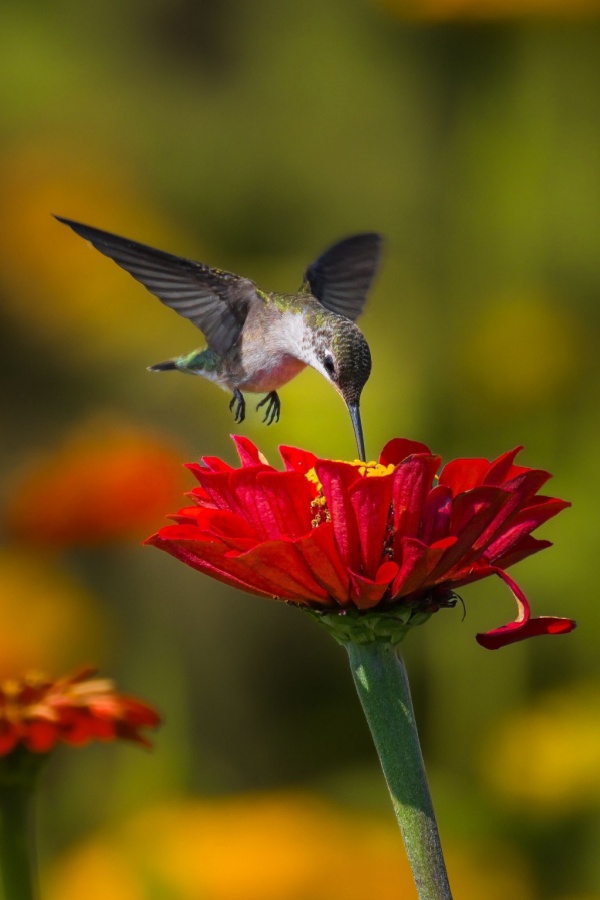
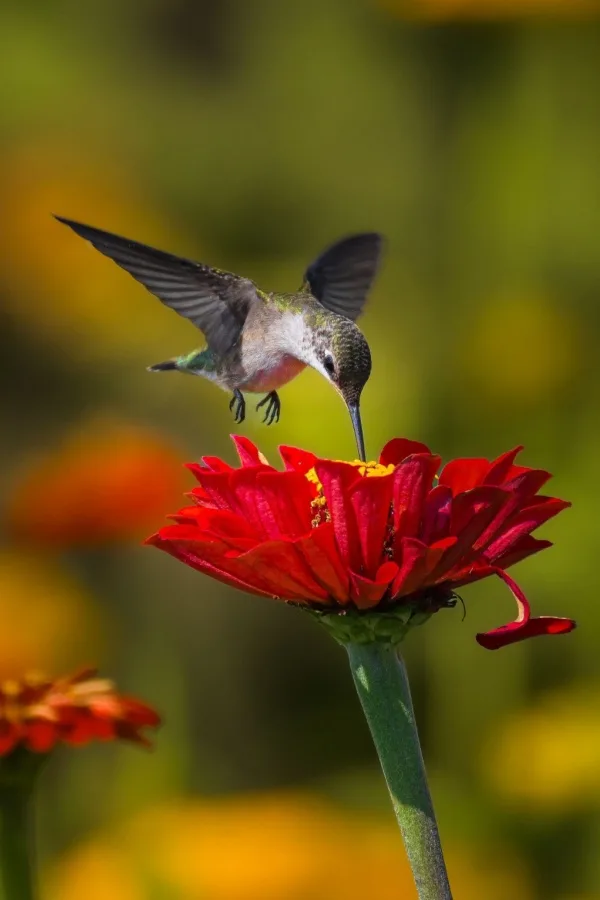
That is what makes a September feeder so useful. A hummingbird can arrive exhausted, drink a high-energy meal and be on its way again. One feeder will not power its entire migration, but a network of clean feeders and nectar-rich flowers along the route can provide a series of vital refueling stations.
Don’t Take Feeders Down During The Most Important Month To Feed Hummingbirds!
One of the biggest myths about fall hummingbirds is that leaving feeders out will stop them from migrating. Thankfully, that is not true. Their instinct to travel is driven largely by seasonal changes, including shorter daylight hours – not by the presence of a backyard feeder.
A hummingbird will not decide to remain in a cold climate simply because sugar water is available. When its body tells it that the time has come to move south, it will go. Keeping your feeder up only gives the bird another place to eat before it leaves.
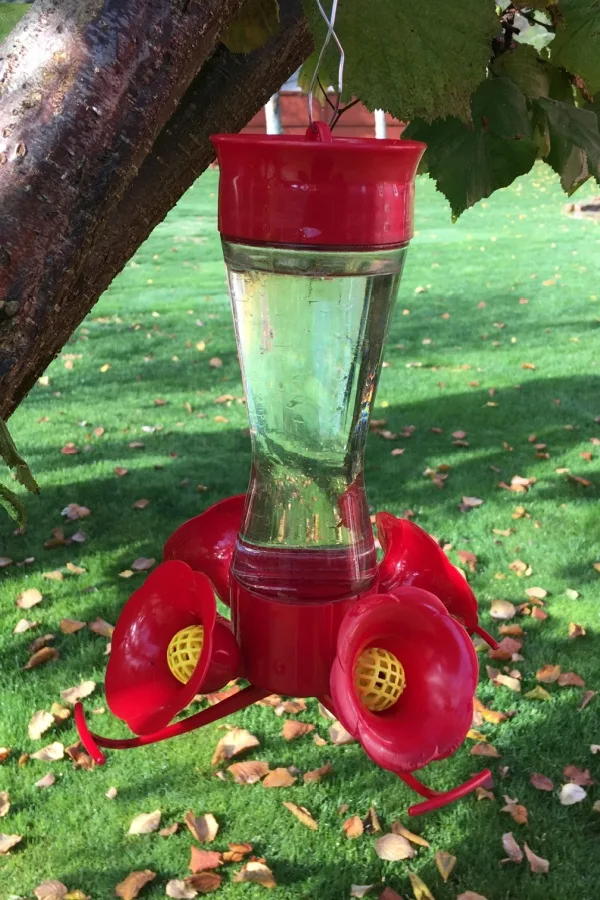
Removing feeders too early can take away a valuable food source from late travelers. Young birds and hummingbirds from farther north may pass through long after your regular summer visitors have gone. Affiliate Link: Glass Hummingbird Feeder 10oz [Set of 2] Ant Guard & Wide Mouth Leakproof
A good rule is to leave feeders up for at least two weeks after you see your last hummingbird. In many northern and central locations, that means keeping them available through September and often into October. In warmer regions where hummingbirds remain all winter, feeders can stay out year-round.


Make The Right Nectar To Feed Hummingbirds
The safest homemade hummingbird nectar is also the simplest. Mix one part plain white granulated sugar with four parts water. For example, combine one cup of sugar with four cups of water and stir until the sugar dissolves completely.
There is no need to make the mixture stronger for fall. The standard four-to-one solution gives hummingbirds the energy they need, while overly sweet nectar may attract more insects.
Never add red food coloring, honey, artificial sweeteners, brown sugar or other ingredients. Red dye is unnecessary because the red parts of the feeder are enough to attract hummingbirds. Honey can encourage harmful fermentation and fungal growth, while other types of sugar may contain substances that are not appropriate for the birds.
Extra nectar can be covered and refrigerated for about a week. Only fill the feeder with what the birds can use before it needs changing. A small amount of fresh nectar is better than a full feeder that spoils.
Add Late-Blooming Flowers For More Food
Feeders are helpful, but flowers make a September yard even more inviting. Late-blooming plants provide natural nectar while also supporting bees, butterflies and other pollinators.
Cardinal flower, salvia, bee balm, anise hyssop, trumpet honeysuckle and late-blooming native flowers can all help extend the nectar season. Tubular blooms in red, orange and pink are especially easy for hummingbirds to spot, although they will visit flowers in many colors.
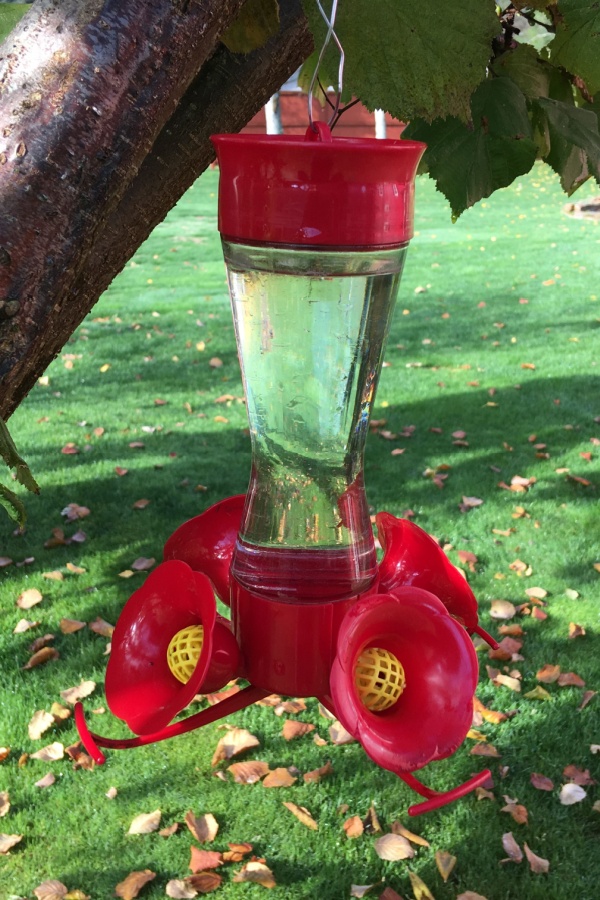
Plants also provide safe places to rest between feeding trips. Trees, shrubs and dense plantings offer shelter from wind, rain and predators. A yard with nectar, insects, water and protective cover is far more useful than a feeder hanging by itself in an open area.
Watch For September Visitors
It takes only a few minutes to mix sugar water, rinse a feeder and hang it back outside. But to a hummingbird facing a long migration, that simple effort can mean a safe place to rest and the energy needed to fly another leg of its journey.
So this September, do not put your hummingbird feeders away when the first familiar birds disappear. Keep them clean, keep them filled and give every late migrant a chance to refuel. A single quick meal really can make all the difference as these amazing little birds make their way south!
Here is to knowing why September is the most important month to feed hummingbirds – and to helping hummingbirds find their way south safely! For more on fall bird feeding, check out our article: How To Feed Birds In The Fall – Help Birds Get Ready For Winter!
The Simple Garden Life
Follow Our Facebook Page For Even More Great Tips! Simple Garden Life Facebook Page
Simple Garden Life is a website dedicated to keeping gardening fun, simple and enjoyable! We publish two new articles each week along with a new garden podcast episode every two weeks. This article may contain affiliate links.