
Looking to help your tomato plants finish strong in September?
By the time September arrives, most tomato plants have been working hard for months. They have produced countless blooms, grown a thick canopy of foliage and, hopefully, provided plenty of delicious tomatoes along the way. But even though the growing season may be winding down, there can still be an incredible amount of fruit hanging on your plants.
Unfortunately, with shorter days, cooler nights and the threat of frost getting closer, there isn’t an unlimited amount of time left for all of those tomatoes to mature. And that is exactly why what you do with your tomato plants in September can make such a big difference in your final harvest.
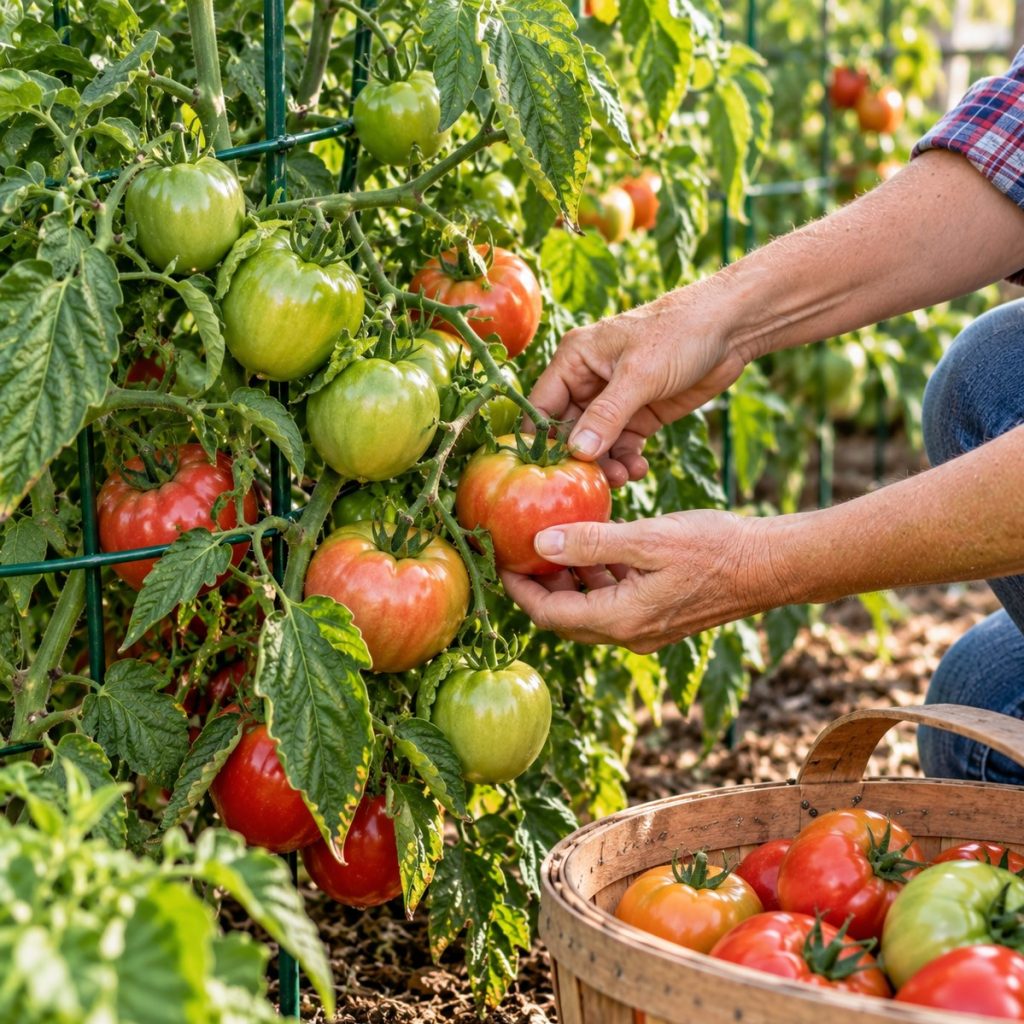
How To Help Tomato Plants In September
Getting A Final Rush Of Blooms & Tomatoes
Late in the season, the goal is no longer to grow a massive plant or encourage hundreds of new blooms. Instead, it’s all about helping your plants concentrate their remaining energy on developing and ripening the tomatoes already hanging from their branches.
The good news is that accomplishing that doesn’t require a lot of work. In fact, by harvesting tomatoes earlier, feeding plants with the right nutrients and removing blooms and tiny fruit that have little chance of maturing, you can help your tomato plants make the most of their final weeks!
Pick Tomatoes As Soon As They Begin To Blush
Perhaps the single best thing you can do for your tomato plants in September is to start picking tomatoes earlier. Far too many gardeners leave tomatoes hanging on the vine until they become completely ripe. Although there is nothing wrong with harvesting a fully ripe tomato, leaving every fruit on the plant until it reaches peak color can put unnecessary stress on late-season plants.
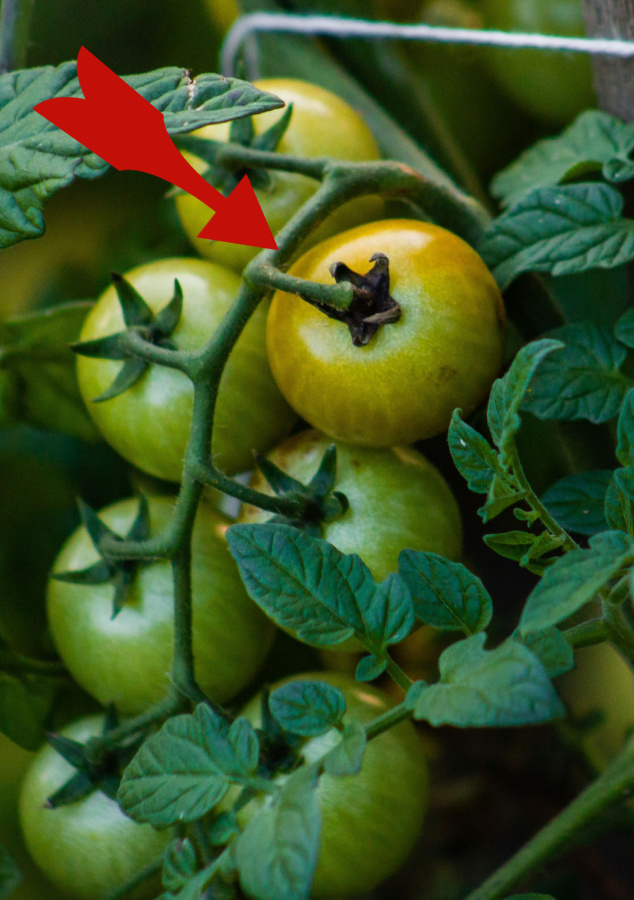
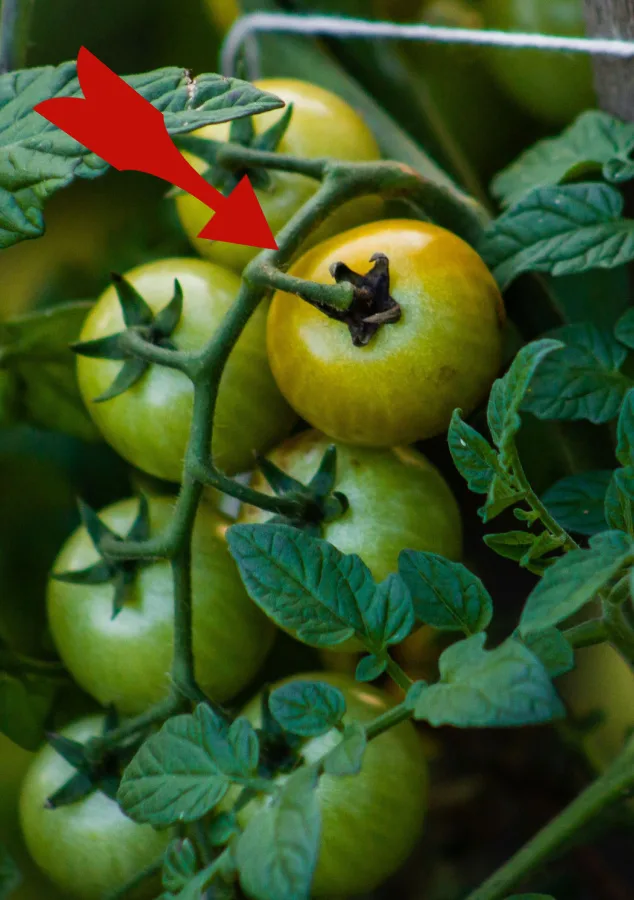
Once a tomato reaches what is commonly called the breaker stage – when its mature green color begins to show the first hint or blush of its final color – it no longer needs to remain on the plant to ripen successfully. At this point, the tomato has already received what it needs from the plant to complete the ripening process.
That means a tomato that has started turning pink, red, orange or yellow can be harvested and allowed to finish ripening indoors. And in September, there are some big advantages to doing exactly that.
Why Picking Early Helps Tomato Plants
Every tomato hanging from a plant requires resources. The more fruit a plant has to support at one time, the more its available moisture, nutrients and energy have to be divided.
This can be especially taxing in September. Tomato plants are older, the amount of daily sunlight is declining, and cooler nighttime temperatures can begin slowing growth. By harvesting tomatoes as soon as they begin to blush, you immediately lighten the plant’s fruit load.
Instead of continuing to support tomatoes that can finish ripening perfectly well off the vine, the plant can redirect more of its resources toward the green tomatoes that remain. Picking early also helps protect your harvest from several late-season problems.
Tomatoes that remain on the vine longer are more vulnerable to cracking after heavy rainfall. They are also more likely to be damaged by insects, birds, squirrels and other hungry garden visitors. And as cool, damp fall weather arrives, disease pressure can increase as well. See our article: The Best Way To Ripen Tomatoes – How To Get Tomatoes To Ripen Better & Faster!
Give Your Tomato Plants The Right Nutrients In September
Just as with pepper plants, September is not the time to encourage tomato plants to produce a massive amount of new foliage. Nitrogen is important early in the season because it fuels stem and leaf growth. But giving tomato plants large amounts of nitrogen late in the season can cause them to waste valuable energy producing tender new leaves and stems.
Those new stems won’t have much time to produce a meaningful harvest before frost arrives. Instead, if your tomato plants need a late-season boost, use a fertilizer that contains less nitrogen and provides higher levels of phosphorus and potassium.


The three numbers on a fertilizer package represent nitrogen, phosphorus and potassium – or N-P-K. Phosphorus helps support flowering, root development and fruit production, while potassium is important for overall plant health, stress tolerance and fruit development.
Feed Lightly – And Don’t Overdo It
Late-season tomato plants don’t need heavy doses of fertilizer. In fact, too much fertilizer can cause more problems than it solves.
If plants are still healthy and producing well, a light feeding is usually all that is necessary. Liquid fertilizers can be especially useful late in the season because their nutrients are available to plants more quickly than many granular fertilizers. Affiliate Link: Farmer’s Secret Tomato Booster Fertilizer – Super Concentrated – 3:8:7 Ratio
Consistent watering is just as important. Keep plants adequately watered during dry periods, but don’t saturate the soil. Large swings between extremely dry and extremely wet soil can contribute to splitting and cracking – another good reason to harvest tomatoes as soon as they begin showing their first blush of color.
Stop Letting Plants Produce New Blooms
This is another late-season tomato task that can seem completely wrong at first. Why would you remove flowers if you want tomatoes? The answer comes down to time.
A tomato blossom appearing in September has to be pollinated, form a tiny tomato, grow that tomato to full size and then begin the ripening process. In many climates, there simply isn’t enough growing season left for that entire process to occur.
Yet the tomato plant doesn’t know a frost may be only a few weeks away. It will continue putting energy into flowers and new fruit as long as conditions allow. That’s energy that could instead be going toward the tomatoes already hanging on the plant.


As you get within about four to six weeks of your area’s typical first frost, begin pinching off newly forming flowers. Doing so sends a simple message to the plant: stop trying to make new tomatoes and concentrate on the ones you already have.
Don’t Give Up On Green Tomatoes
Even when frost finally appears in the forecast, your harvest isn’t necessarily over. Before a frost, pick all tomatoes that have reached a mature size, including green ones.
Mature green tomatoes can often continue ripening indoors. Look for fruit that has reached its expected size and has changed from a hard, dark green appearance to a lighter green. Bring those tomatoes indoors and place them in a single layer in a cool to moderately warm location.
Some will ripen faster than others, so check them regularly and remove any fruit that develops soft spots or signs of decay. And of course, green tomatoes that don’t ripen are still useful for fried green tomatoes, salsa, relish and plenty of other recipes.
Whatever you do, don’t leave a good crop hanging on the vines when frost is coming! Here is to helping your tomato plants in September – and enjoy a great late harvest this year!
The Simple Garden Life
Follow Our Facebook Page For Even More Great Tips! Simple Garden Life Facebook Page
Simple Garden Life is a website dedicated to keeping gardening fun, simple and enjoyable! We publish two new articles each week along with a new garden podcast episode every two weeks. This article may contain affiliate links.