
Did you know that by simply taking a little time to start a garden journal this winter – you can set the stage for your best garden ever next year?
Winter brings quiet days that are perfect for planning. Cold winds might keep you indoors, but your mind still drifts to spring soil and warm sun. And this calm period creates the perfect time to start a garden journal.
A garden journal is more than a notebook. As you will see below, it can be a guide, a memory keeper, and a powerful tool that can change how you garden. And starting one this winter will give you a head start, long before planting begins!


How To Start A Garden Journal
How A Garden Journal Makes You A Better Gardener
A journal helps you think about what worked last year. It also helps you remember what did not work. It becomes a record of lessons that are easy to forget once the season ends. Winter gives you space to sit and reflect on those memories.
You can write down what you planted, when you planted it, and how each crop performed. And those simple notes pay huge rewards when the next growing season arrives. And doing it now before you forget what went where can be a huge help!
Many gardeners want more success but don’t know where to begin. A garden journal is one of the easiest ways to make progress. It takes only a few minutes each week. Yet those minutes create a deep history of your garden. And once you build a few months of notes, you gain valuable insight that can guide every decision.
A winter garden journal also brings a sense of peace. It gives you something garden-related to enjoy even when the ground is frozen. Writing about your garden keeps you connected to the soil. It builds excitement for the coming season and helps you stay organized.
How A Garden Journal Helps You Plan Better
One of the strongest benefits of taking time to start a garden journal is better planning. Many gardeners guess when to start seeds. They guess when to plant outdoors. They guess which varieties performed well.
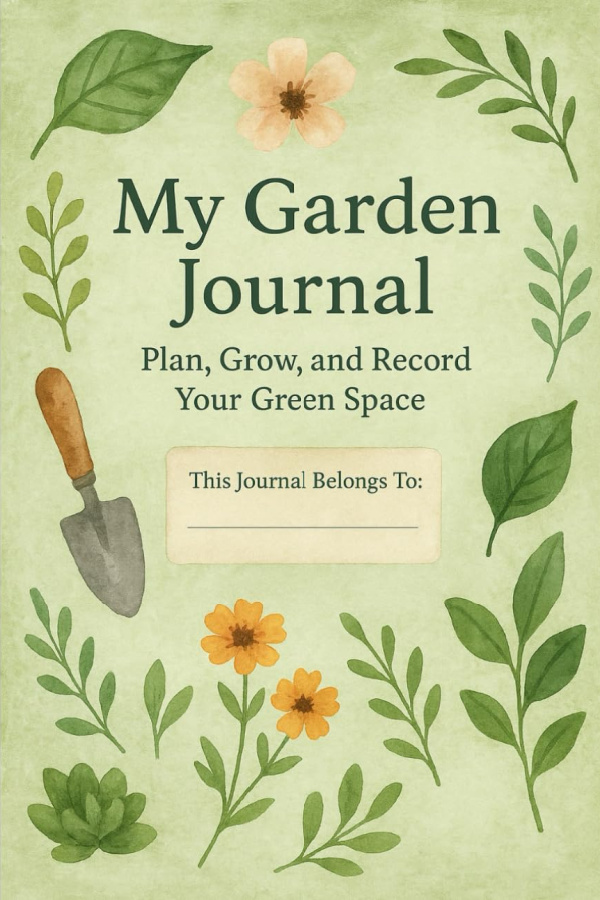
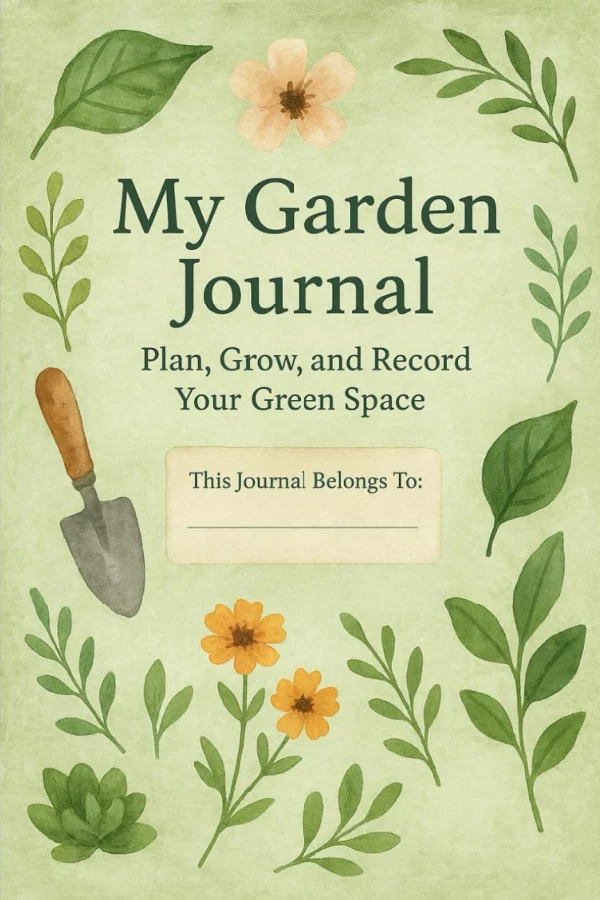
A journal removes the guesswork. When you record planting dates and harvest times, you gain clear patterns. You begin to see which crops mature best in your climate. You also see which varieties struggle. Affiliate Link: Garden Journal: A Seasonal Planner to Track Planting, Growth, and Harvests
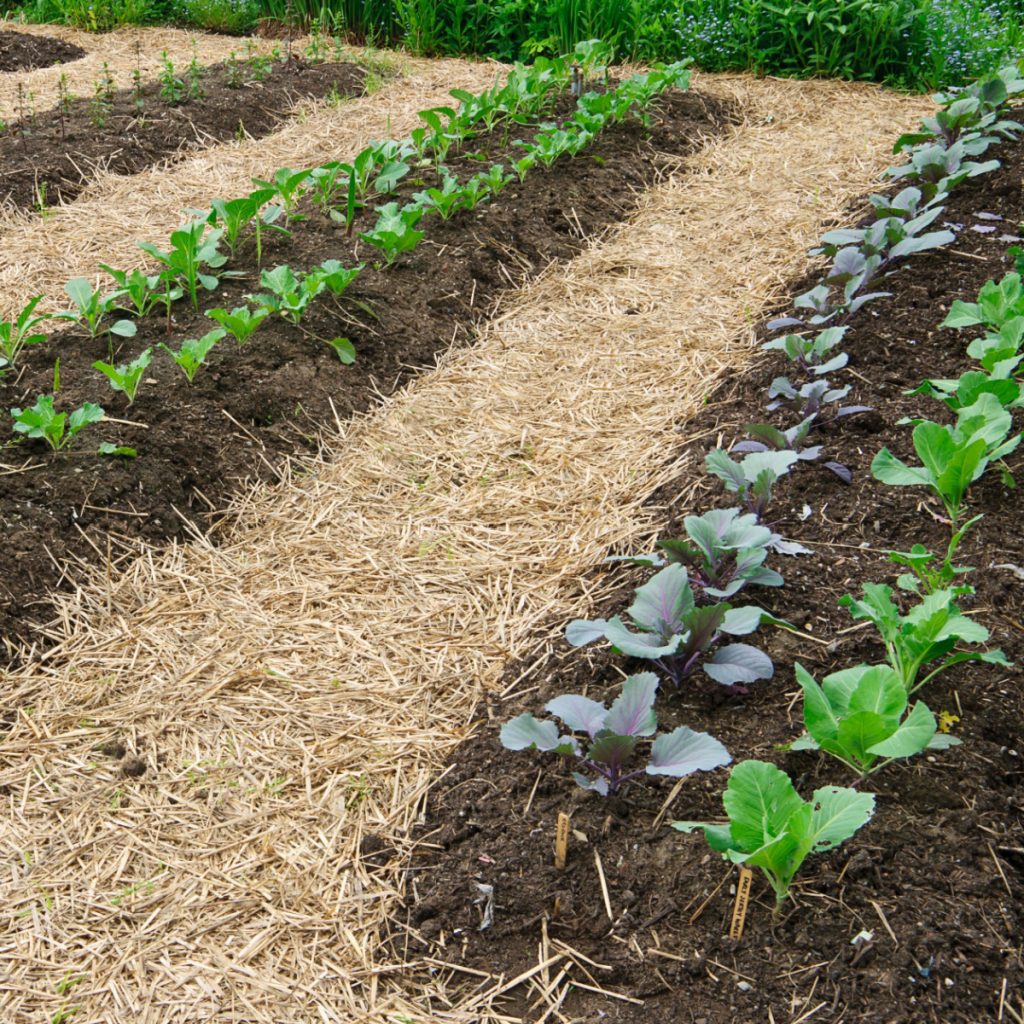
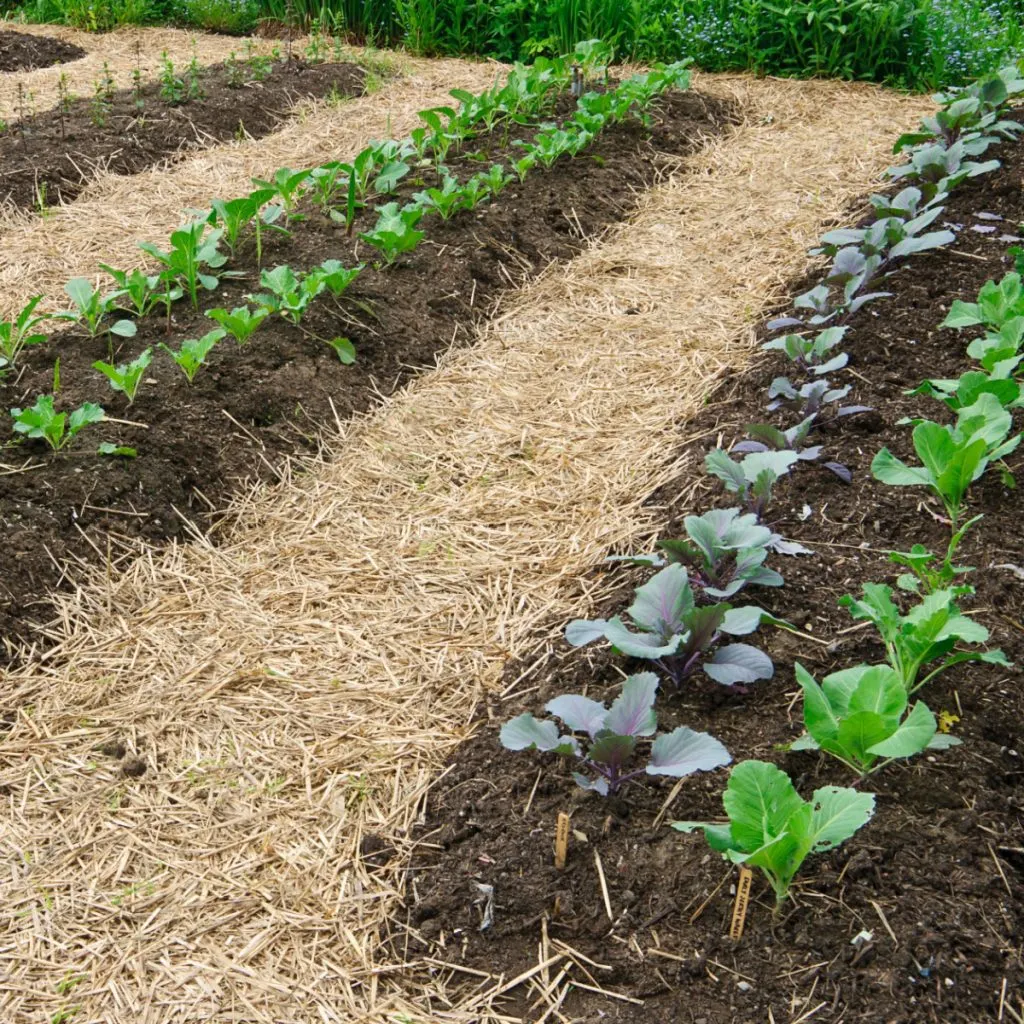
Winter is the best time to set up these planning pages. You can sketch your garden layout while the beds are empty. You can also mark where you planted crops last year. This helps you rotate plants, which keeps soil healthier. A garden journal gives you space to sketch multiple layouts. You can compare ideas and choose the best design.
Planning also becomes easier when you track seed inventories. Many gardeners buy seeds they already own because they forget what they have. A journal page for seed lists prevents that. You can write down each variety, pack size, and expiration date. This keeps your early spring seed orders simple and efficient.
A winter journal helps you think through fertility needs as well. If tomatoes struggled last year, you can plan to add compost or worm castings this spring. If lettuce bolted early, you can try more shade. These ideas come easily when you have time to think in the slower winter months.
Why Recording Weather Patterns Makes A Huge Difference
Weather changes every year. Some summers bring heavy rain. Others bring weeks of drought. A garden journal helps you track these patterns. Winter is a great time to build weather pages for the coming season. You can create sections for frost dates, rainfall, and temperature notes.
Recording frost dates is especially helpful. Many gardeners think they remember the last frost. But memories fail fast! A journal lets you record the actual date each season. Over time, you build a guide for safer planting. You also learn how early frosts affect fall crops. These details help you protect plants better.
Tracking rainfall can guide your watering habits. Some years require heavy irrigation. Other years require almost none. When you note rainfall each week, you can avoid overwatering or underwatering.
Temperature notes also matter. Many crops fail because of sudden heat or cold. When you start and keep these notes in a garden journal, you see the patterns that led to success or failure. You might learn that peppers thrive in your garden once nights warm above a certain point. Or you may learn that cool spells slow your cucumbers. These insights can then help guide your planting schedule each and every year.


Using A Garden Journal To Improve Pest and Disease Control
Pests and diseases frustrate gardeners. They often appear fast and vanish before you identify them. A garden journal helps you track problems as they happen. Winter gives you time to prepare pages for these notes. You can create sections for pests, diseases, and treatments.
Recording pest issues teaches you when they arrive. Many insects follow predictable patterns. A journal helps you spot early signs. For example, cabbage worms may always appear in June. Aphids may show up after warm rains. Once you know these patterns, you can take action before damage begins.
Disease tracking is just as helpful. Some diseases come from soil. Others come from weather shifts. When you start a garden journal and record symptoms, timing, and treatments, you build a valuable reference. You can look back and see which plants struggled most. You can also see which treatments worked best.
A Journal Helps Track Harvest Success
Harvests bring joy, but they also bring lessons. When you start a garden journal, it helps you track how much you harvested and from which plants.
These notes show you which varieties produced the most. If one tomato variety outperformed the rest, you can plant more of it next year. If another variety tasted bland, you can skip it. This makes seed shopping easier in winter because you already know your favorites.
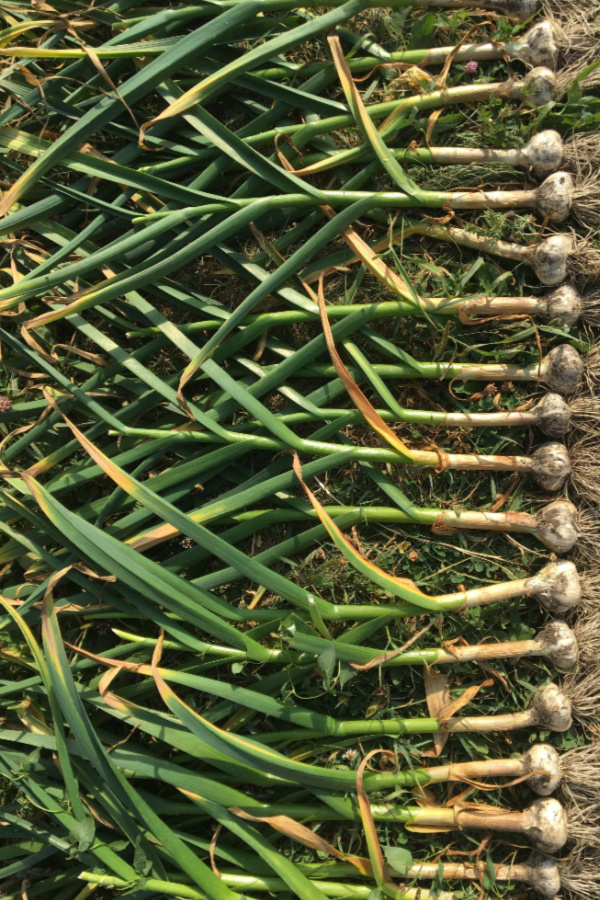
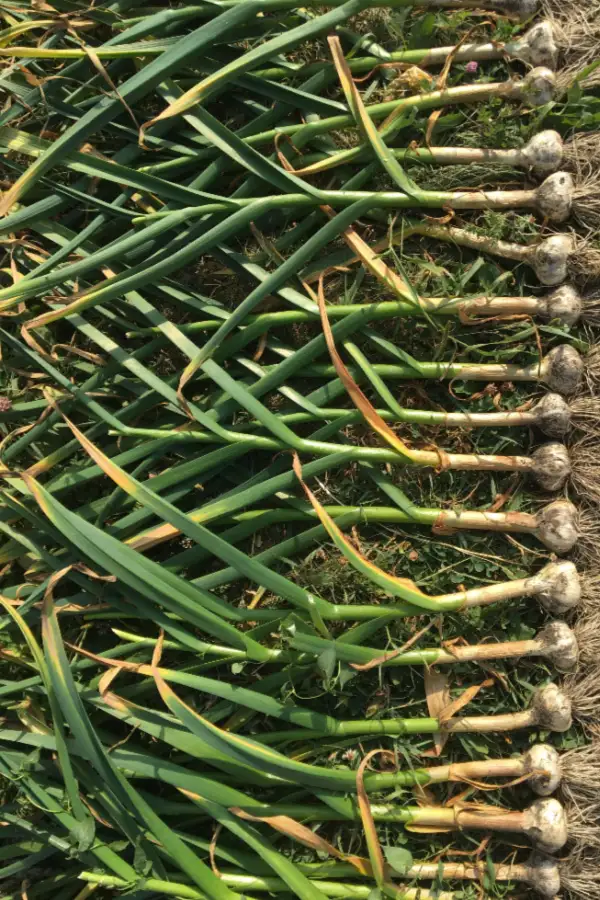
Tracking harvests also helps you plan preservation needs. If you grew too many cucumbers, you may want fewer plants next year. If you grew too little sweet corn, you may want more rows. These decisions become simple when you have written notes.
How To Start A Garden Journal To Build Better Soil
Healthy soil is the foundation of a great garden. A journal helps you watch your soil improve. Winter gives you time to reflect on what you added and what the results were. You can write notes about compost, manure, cover crops, and soil tests.
These notes help you create a soil improvement plan. If a bed produced poor crops, soil tests can guide your amendments. You can write down the results so you never forget. Winter is also a good time to review compost needs. You can record how much compost you produced and how much you used.
A journal helps you track mulch choices as well. Some mulches keep soil cooler. Others keep soil warmer. When you write notes, you learn which mulches worked best for each crop. These details guide your spring choices.
How A Garden Journal Inspires Creativity and New Ideas
Last but not least, a garden journal also inspires creativity. Winter gives you time to dream. You can sketch bed shapes, trellises, or new flower areas – and write about plants you hope to try. You can also list colors you want to blend in flowerbeds. And when spring arrives, you will have your winter thoughts all ready to go. Here is to taking time to start a garden journal this winter!
For more winter gardening tips – check out our article: 3 Easy Indoor Winter Garden Chores To Do Now To Get Ready For A Great Garden Season!
Simple Garden Life
Follow Our Facebook Page For Even More Great Tips! Simple Garden Life Facebook Page
Simple Garden Life is a website dedicated to keeping gardening fun, simple and enjoyable! We publish two new articles each week along with a new garden podcast episode every two weeks. This article may contain affiliate links.