
When it comes to caring for lavender plants in early spring – there is usually one key mistake many gardeners make to their plants – and it can often spell disaster!
Lavender smells incredible, looks beautiful in bloom, and once established, it can thrive with very little attention. But even though lavender is considered low maintenance, it is surprisingly easy to damage, especially in early spring.
As winter begins to fade, many gardeners head outside ready to clean up their flowerbeds. Dead growth gets trimmed back, mulch is refreshed, and plants are pushed along in hopes of getting an early start on the season. Unfortunately, this is when lavender often gets into trouble.
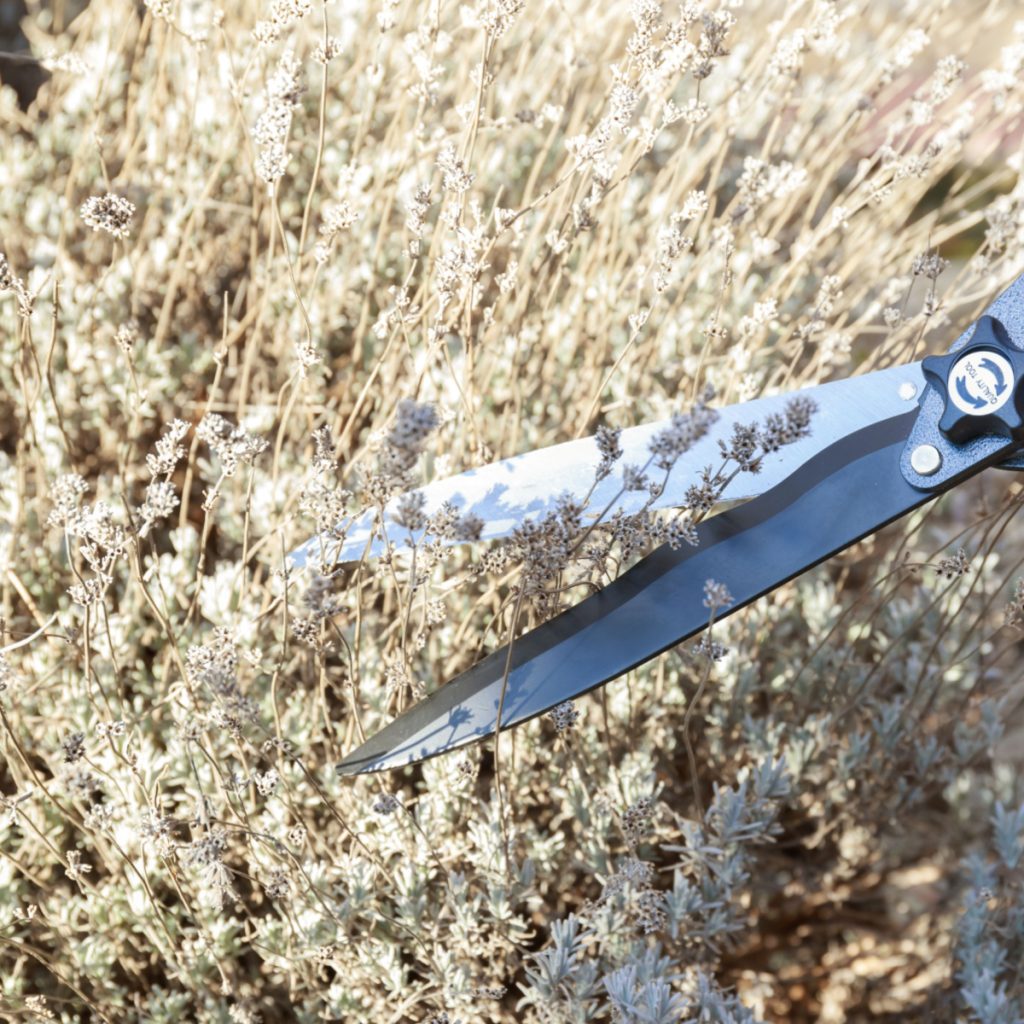
The biggest mistake gardeners make with lavender in early spring is pruning it far too early. While that is the most damaging error, it is often paired with a few others that compound the problem – mulching too heavily, overwatering, and trying to move or transplant lavender before it is ready.
The One Big Mistake Gardeners Make With Lavender Plants In Spring
Why Lavender Behaves Differently Than Other Perennials
Lavender does not follow the same rules as most garden plants. It does not wake up quickly in spring, and it does not respond well to rich soil or lots of moisture. In fact, lavender prefers conditions that would cause many perennials to struggle.
In its native environment, lavender grows in dry, rocky, well-drained soil with plenty of sun and air movement. It is used to lean conditions and slow seasonal transitions. When winter ends, lavender takes its time warming up and beginning new growth.
This slow response often tricks gardeners into thinking something is wrong. What looks like a plant that needs help is often a plant that simply needs patience.

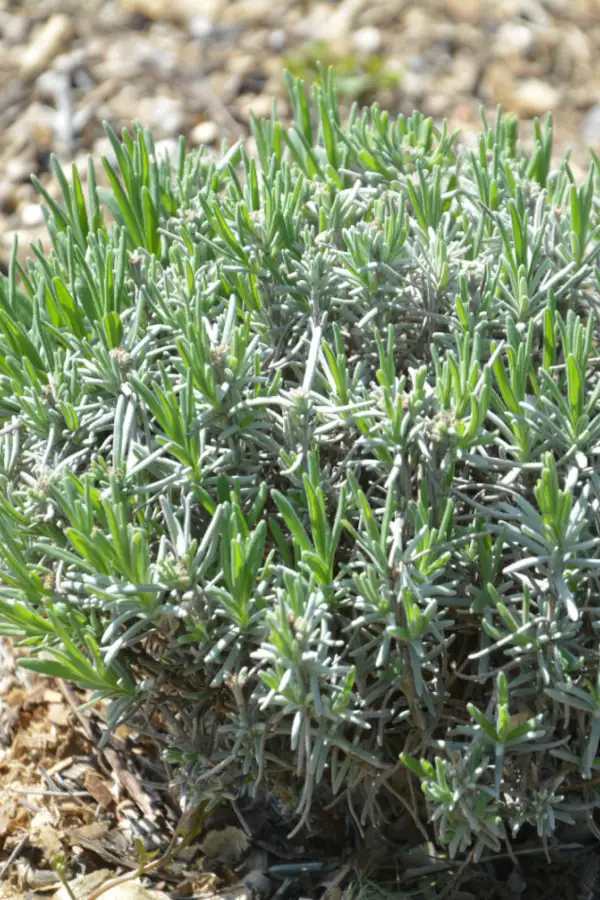
Pruning Lavender Too Early In Spring
Early pruning is the single most common reason lavender plants decline or die after winter. As soon as gardeners see gray or brown stems, the urge to cut everything back can be hard to resist.
That early pruning removes the plant’s natural winter protection. Lavender relies on its older growth to shield the crown from cold temperatures, drying winds, and freeze-thaw cycles. When those stems are cut too soon, tender new growth is left exposed to late spring frosts.
Many gardeners assume lavender died because winter was too harsh. In reality, the damage often happens after winter has technically ended. Lavender that is left alone in early spring usually tolerates cold snaps just fine. Lavender that has been pruned early does not.
Once the protective growth is removed, frost can damage the crown and new shoots. The plant then spends the rest of the season trying to recover instead of growing and blooming. Waiting a few extra weeks to prune avoids this entirely and gives lavender a much stronger start.
Even one hard freeze after pruning can damage or kill emerging shoots. Repeated cold nights can cause the plant to die back. That then weakens the plant for the entire season. Early pruning also encourages gardeners to cut too far back, which creates another serious problem.
Cutting Into Woody Growth Causes Long-Term Damage
Lavender has a clear distinction between soft, flexible growth and hard, woody stems. That woody portion does not regenerate well. Once it is cut, it often never produces new growth again.
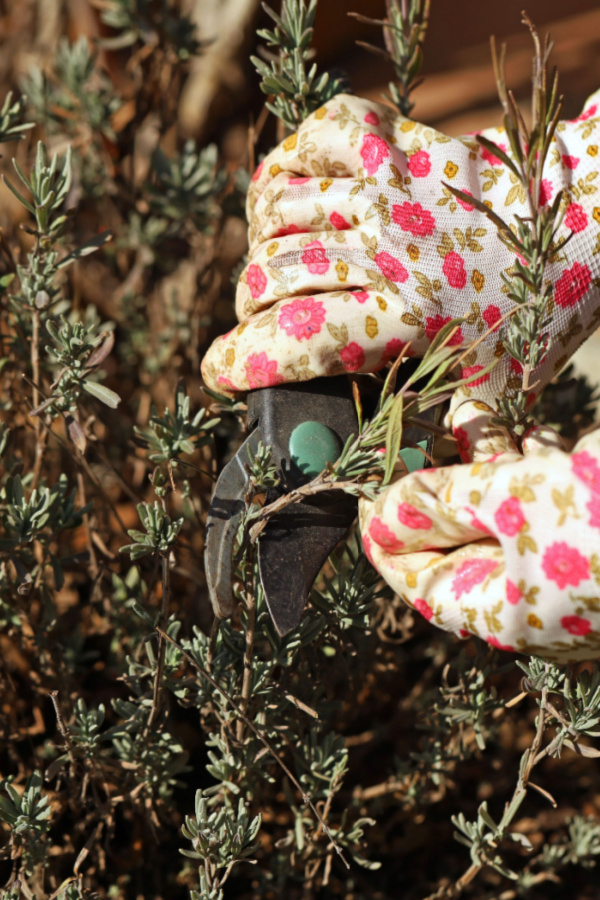
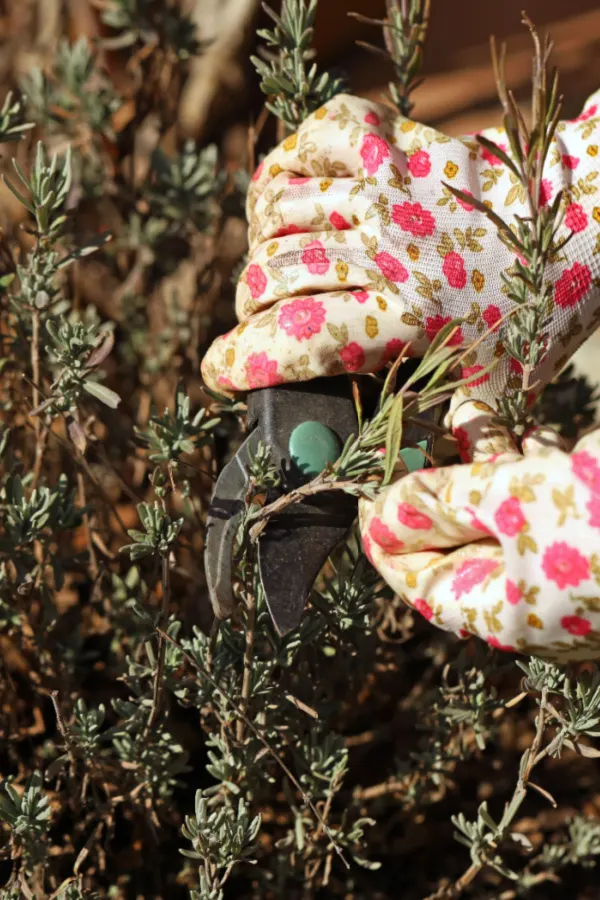
When lavender is pruned too early, it is difficult to see where new growth will eventually emerge. This leads many gardeners to cut into the woody base without realizing it. The result is a plant that struggles to fill out, develops bare spots, or remains stunted year after year.
Lavender pruned into woody growth often survives but never thrives. It becomes thin, uneven, and produces fewer flowers as time goes on.
The safest approach is to wait until you can clearly see new green growth before making any cuts. That growth shows exactly where the plant is alive and ready to respond. See our article: How To Prune Back Lavender In The Summer – Get Your Lavender To Bloom Again!
Other Mistakes Gardeners Make With Lavender In Early Spring
Mulching Lavender Too Heavily In Early Spring
Mulching your lavender too much is also another common problem. Heavy mulch traps moisture around the base of the plant. Lavender needs excellent airflow around its crown, especially as it comes out of winter dormancy. When moisture lingers near the stems, rot becomes a real concern.
Spring rain combined with thick mulch often creates the perfect environment for lavender to decline. Problems caused by heavy mulching include moisture buildup around the crown, increased risk of root and stem rot, slower soil warming, and reduced air circulation.
If you use mulch around lavender, it should be very light and kept several inches away from the base of the plant. Gravel or small stone mulch is far better right up around lavender than organic materials like wood chips or shredded bark.


Overwatering As Spring Begins
Applying too much water is another mistake that frequently occurs in early spring. Gardeners see dry-looking plants and assume they need extra water to recover from winter.
Lavender prefers soil that dries out between waterings. In early spring, soil temperatures are still cool and evaporation is slow. Adding extra water during this time keeps roots sitting in damp conditions they do not tolerate well.
Overwatering often does not show immediate symptoms. Lavender may appear fine for several weeks, then suddenly decline as temperatures warm and root damage becomes evident. Common signs of overwatering include yellowing foliage, limp growth, and plants that fail to put on size even as summer approaches.
Trying To Move Or Transplant Lavender Too Early
Springtime is not the tie to try to move lavender plants. At this stage, lavender’s root system is just beginning to wake up. Cold, wet soil combined with root disturbance can cause significant stress. Plants moved too early often struggle to establish, stall in growth, or decline slowly throughout the season.
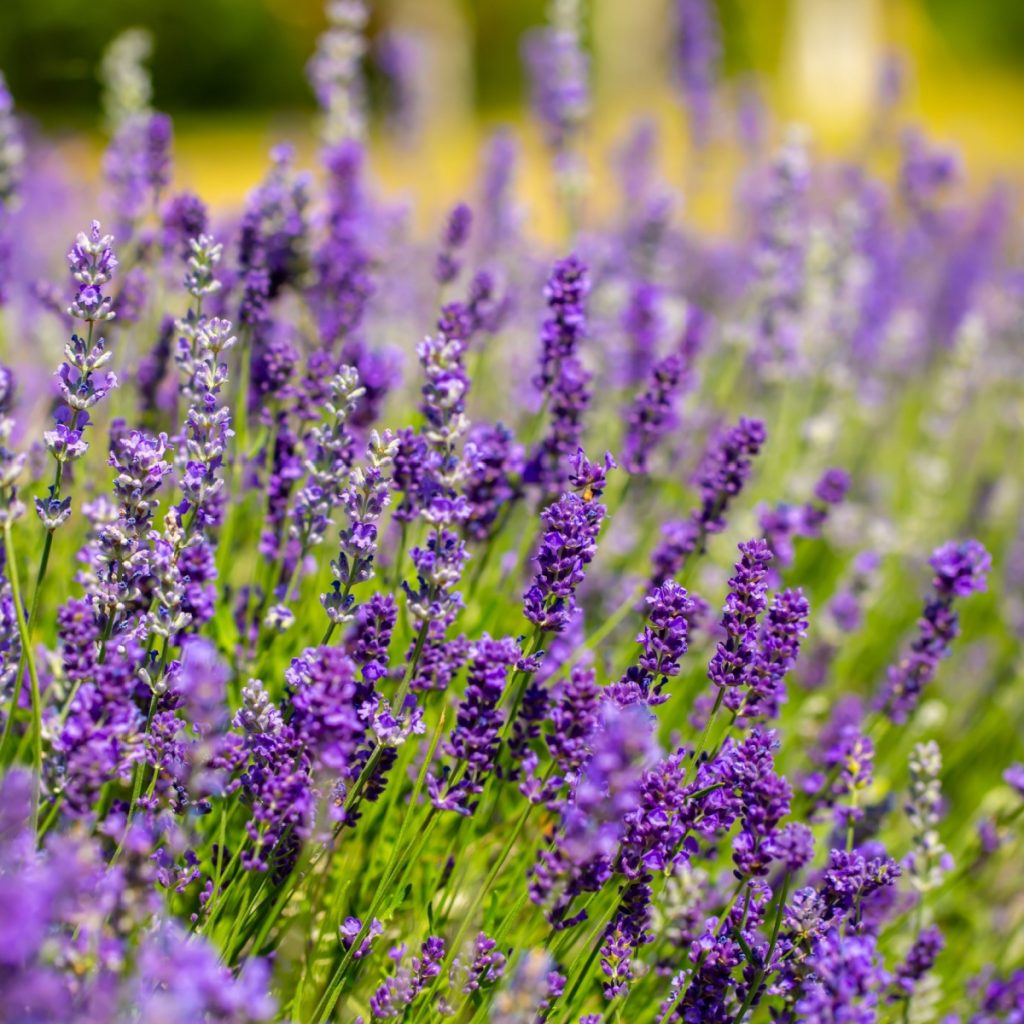
Lavender responds much better to transplanting once soil has warmed and active growth is underway. Late spring is a far safer window if a plant truly needs to find a new home.
At the end of the day, Lavender does best in early spring when gardeners take a hands-off approach. Allow the plant to warm up naturally. Keep soil on the dry side. Avoid heavy mulch. And most importantly, wait to prune until new growth is clearly visible and frost danger has mostly passed.
Lavender rewards patience. Gardeners who resist the urge to rush spring care are the ones who enjoy fuller plants, stronger growth, and far better blooms as the season unfolds!
Simple Garden Life
Follow Our Facebook Page For Even More Great Tips! Simple Garden Life Facebook Page
Simple Garden Life is a website dedicated to keeping gardening fun, simple and enjoyable! We publish two new articles each week along with a new garden podcast episode every two weeks. This article may contain affiliate links.