
Wondering when you should stop fertilizing your perennials, shrubs and other plants in your landscape? The simple truth is, fertilizing some plants in late summer can actually do far more harm than good.
Although it might seem like giving tired plants a boost of nutrients would help them finish the growing season strong, for many perennials and flowering shrubs, feeding them late in the season can put their health and even next year’s blooms at risk.
By late summer, many plants are beginning an important transition. Instead of using their energy to produce new leaves, stems and flowers, they need to start preparing for winter. As daylight hours shorten and temperatures begin to cool, plants slowly shift their resources toward their roots.
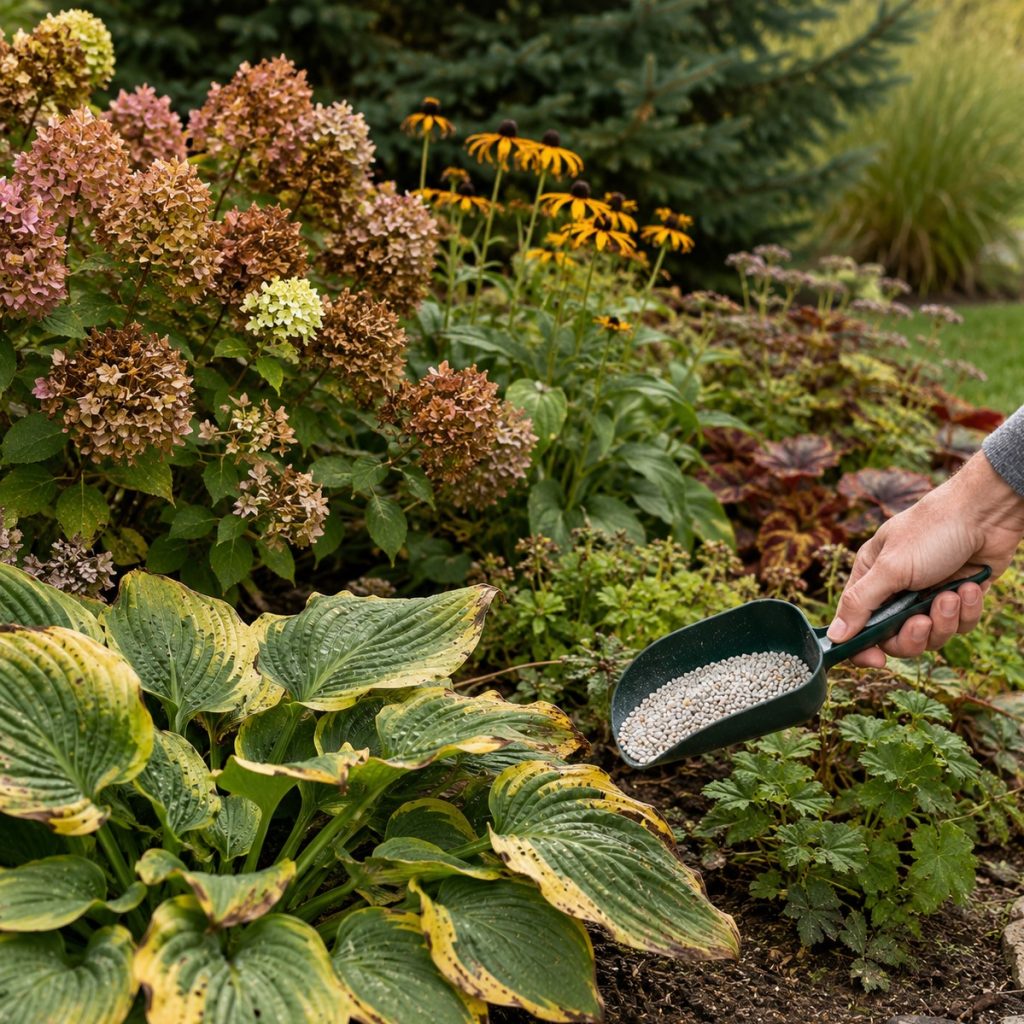
Unfortunately, giving plants a dose of fertilizer at this point can interrupt that process. Fertilizer, especially one high in nitrogen, can encourage a flush of tender new growth at exactly the wrong time. That new growth may look great for a few weeks, but it often doesn’t have enough time to harden off before cold weather arrives. When the first frost or freeze hits, those tender stems and leaves can quickly suffer damage.
6 Plants You Should Stop Fertilizing In Late Summer
Cut Back On Feeding Roses
Roses are heavy feeders during the growing season, but there comes a point when feeding needs to stop. During spring and early summer, fertilizer helps roses develop strong foliage and produce flush after flush of colorful blooms. But continuing to fertilize roses late into summer can encourage tender new stems and flower buds.
Unfortunately, that growth is extremely vulnerable to frost and freezing temperatures. For gardeners in colder climates, it’s usually best to stop fertilizing roses about six to eight weeks before your average first frost. In many areas, that means ending regular feeding sometime in late July or August.
Once you stop fertilizing, allow your roses to begin slowing down naturally. You can still water roses during dry spells, especially during a hot and dry late summer. Keeping their roots properly hydrated is important heading into fall and winter.
But resist the urge to feed them simply because their blooming begins to slow. At this point, slowing down is exactly what you want your roses to do!
When To Stop Fertilizing Hydrangeas
Hydrangeas are another flowering shrub that can suffer when fertilized too late in the growing season. Feeding hydrangeas in spring can help support strong foliage and beautiful blooms. Depending on the variety and your soil, an additional light feeding in early summer may also be beneficial.
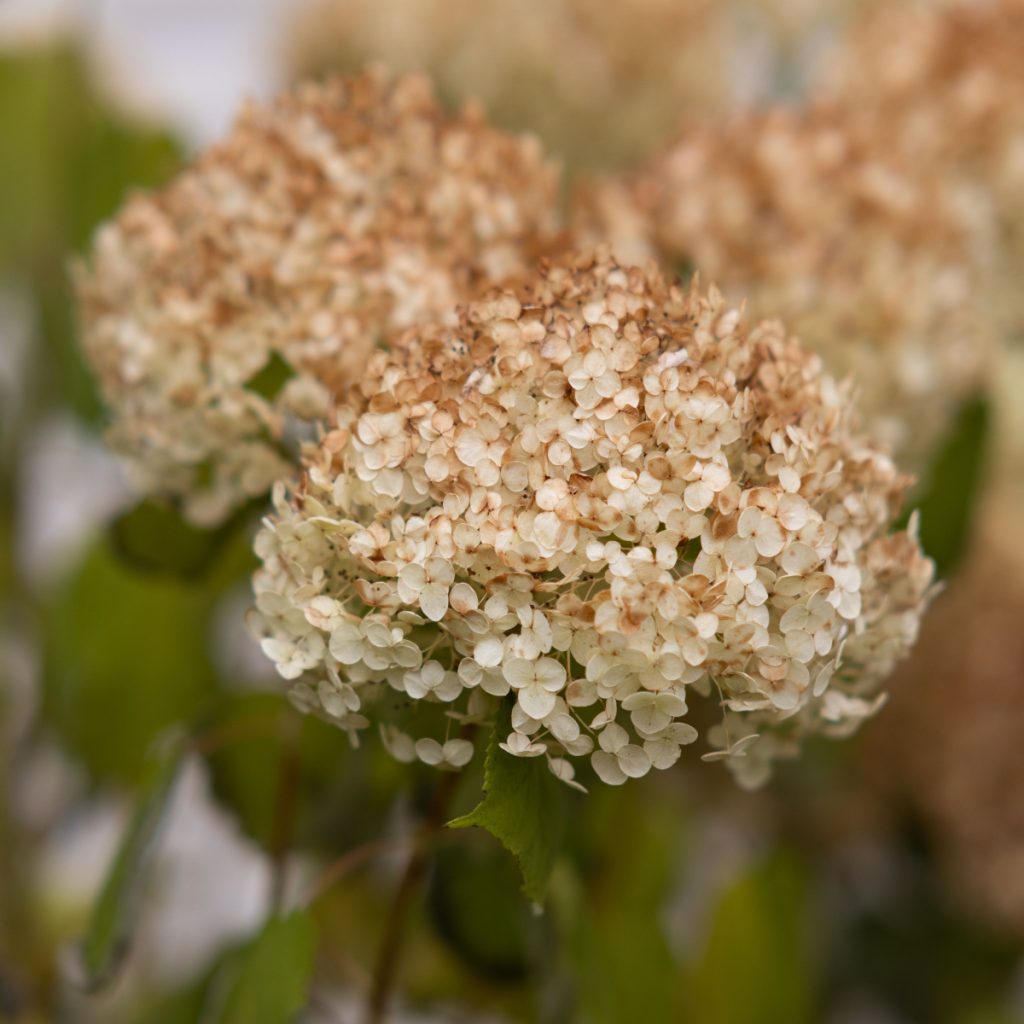
But by late summer, it’s time to put the fertilizer away. Late fertilizing can encourage hydrangeas to produce fresh, tender stem and leaf growth. Not only can this growth be damaged by cold weather, it can be particularly problematic with hydrangeas that bloom on old wood.
Bigleaf and oakleaf hydrangeas, for example, develop much of the growth responsible for next year’s flowers well before the following spring. Protecting those stems through winter is important for a good flowering season.
Instead of fertilizing your hydrangeas in late summer, concentrate on keeping them adequately watered. Hydrangeas can lose a lot of moisture through their large leaves, and plants growing in dry soil can wilt quickly during late-summer heat. Deep watering when needed will do far more for them than another dose of fertilizer.
Azaleas & Rhododendrons
Azaleas and rhododendrons are famous for their spectacular spring flowers. But if you want plenty of blooms next year, late summer is not the time to push them into new growth.
These shrubs generally benefit most from feeding immediately after flowering or during their active spring growth period. By late summer, many azaleas and rhododendrons are already developing the flower buds that will produce next spring’s blooms.
Applying fertilizer now – particularly a high-nitrogen fertilizer – can encourage foliage and stem growth instead of allowing the plant to concentrate on hardening off and preparing for dormancy. Tender late-season growth is also much more susceptible to winter damage.
If your azaleas or rhododendrons look tired in late summer, check their soil moisture before assuming they need fertilizer. Dry soil is often the real culprit. Both plants prefer consistent moisture, especially when temperatures remain warm. A two- to three-inch layer of mulch can help conserve moisture and protect their shallow root systems.
Listen To Our Latest Podcast Below


Quite Feeding Your Peonies
Peonies put on their big show in late spring and early summer. Once their flowers fade, however, their foliage continues performing an extremely important job.
As long as the leaves remain green, they continue absorbing sunlight and storing energy in the plant’s roots. That energy will help produce next year’s growth and flowers. But that doesn’t mean peonies need a late-summer dose of fertilizer.
Heavy feeding late in the season can encourage unnecessary tender growth. It can also interfere with the plant’s natural transition toward dormancy. Instead, leave healthy peony foliage in place through late summer and early fall. Continue watering during extended periods of drought, but otherwise allow the plant to wind down naturally.
Once frost kills the foliage, cut it back near ground level and remove the debris from the flowerbed. This is especially important with peonies because old foliage can harbor fungal disease. If your peonies need additional nutrients, spring is a much better time to provide them.
Why It’s Important To Stop Fertilizing Hostas In Late Summer
By late summer, hostas can begin looking a little rough around the edges. Leaves may develop brown tips, holes from slugs or insects, sun damage or yellowing foliage. After months of looking lush and full, it’s easy to think a little fertilizer will bring them back to life.
Unfortunately, fertilizer isn’t going to turn aging late-summer hosta foliage back into perfect spring foliage. More importantly, feeding hostas late in the season can encourage tender new growth just as the plant should be preparing for dormancy.
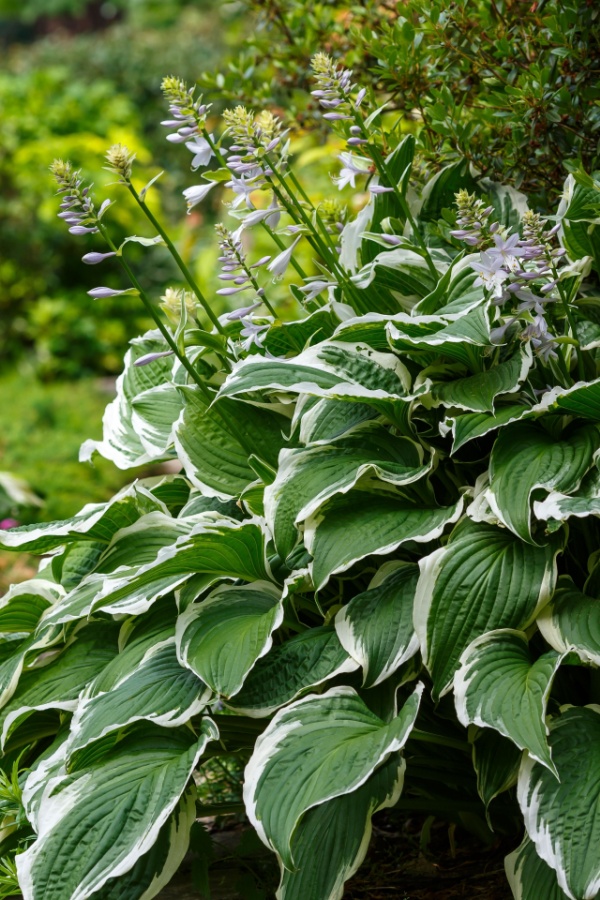
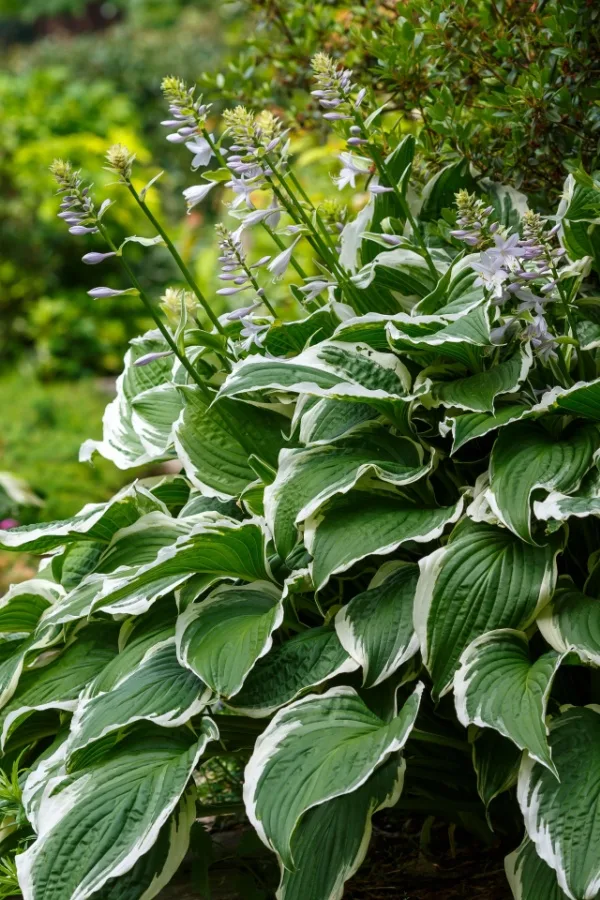
By late summer, allow your hostas to finish the season naturally. Continue watering them when conditions are dry. This is particularly important for hostas that have recently been divided or transplanted. Their roots need consistent moisture as they become established.
Late summer and early fall are excellent times however to divide and transplant overgrown hostas. See our article: How To Divide & Transplant Hostas In Late Summer & Early Fall – Get More Hostas For Free!
Lilacs, Forsythia & Other Spring-Flowering Shrubs
Last but certainly not least are spring-flowering shrubs such as lilacs and forsythia. These plants should be left alone when it comes to late-summer fertilizing.
By this point in the year, established shrubs are beginning to slow their growth and prepare their woody stems for winter. Many spring-blooming shrubs are also carrying flower buds that will become next year’s blossoms. Applying fertilizer – particularly nitrogen – can stimulate fresh stem and leaf growth.
That growth doesn’t have enough time to properly harden before winter. When freezing temperatures arrive, tender stems can suffer die back.
For much the same reason, late summer and fall are generally poor times to heavily prune many spring-flowering shrubs. Pruning can remove next year’s flower buds, while fertilizing can encourage growth the plant doesn’t need. Once these shrubs finish their spring flowering period, that is usually the better window for pruning and, if necessary, feeding.
What About Annual Flowers?
Annual flowers are one major exception to the stop-fertilizing rule. Unlike perennials and shrubs, annuals don’t need to prepare their roots and stems to survive winter. Their entire life cycle occurs in a single growing season. For these plants, give them a dose of liquid fertilizer designed for blooms! Affiliate Link: JR Peters Inc Jack’s Classic 10-30-20 Blossom Booster Water-Soluble Fertilizer
Because of that, hanging baskets, container flowers and annual bedding plants can often benefit from light fertilizing through late summer. Petunias, calibrachoa, geraniums and many other annuals can become nutrient-starved after growing and flowering heavily all summer.
A light dose of liquid fertilizer can help keep them blooming until frost. The key is understanding whether you are growing a plant that needs to survive winter or one whose growing season will end with frost!
The Simple Garden Life
Follow Our Facebook Page For Even More Great Tips! Simple Garden Life Facebook Page
Simple Garden Life is a website dedicated to keeping gardening fun, simple and enjoyable! We publish two new articles each week along with a new garden podcast episode every two weeks. This article may contain affiliate links.