
When it comes to planting your garden – did you know that there are two vegetable plants you should always start indoors before the growing season begins – and two you shouldn’t?
Starting vegetables from seed is one of the most rewarding parts of gardening. It gives you better plant choices, saves money, and allows you to grow stronger plants right from the beginning. But one of the biggest mistakes gardeners make is starting everything indoors.
The truth is, some vegetables absolutely benefit from starting their growth inside. Meanwhile, others are far better off when you plant them directly in the garden. And knowing the difference can mean the difference between healthy, productive plants – or ones that struggle all season long!

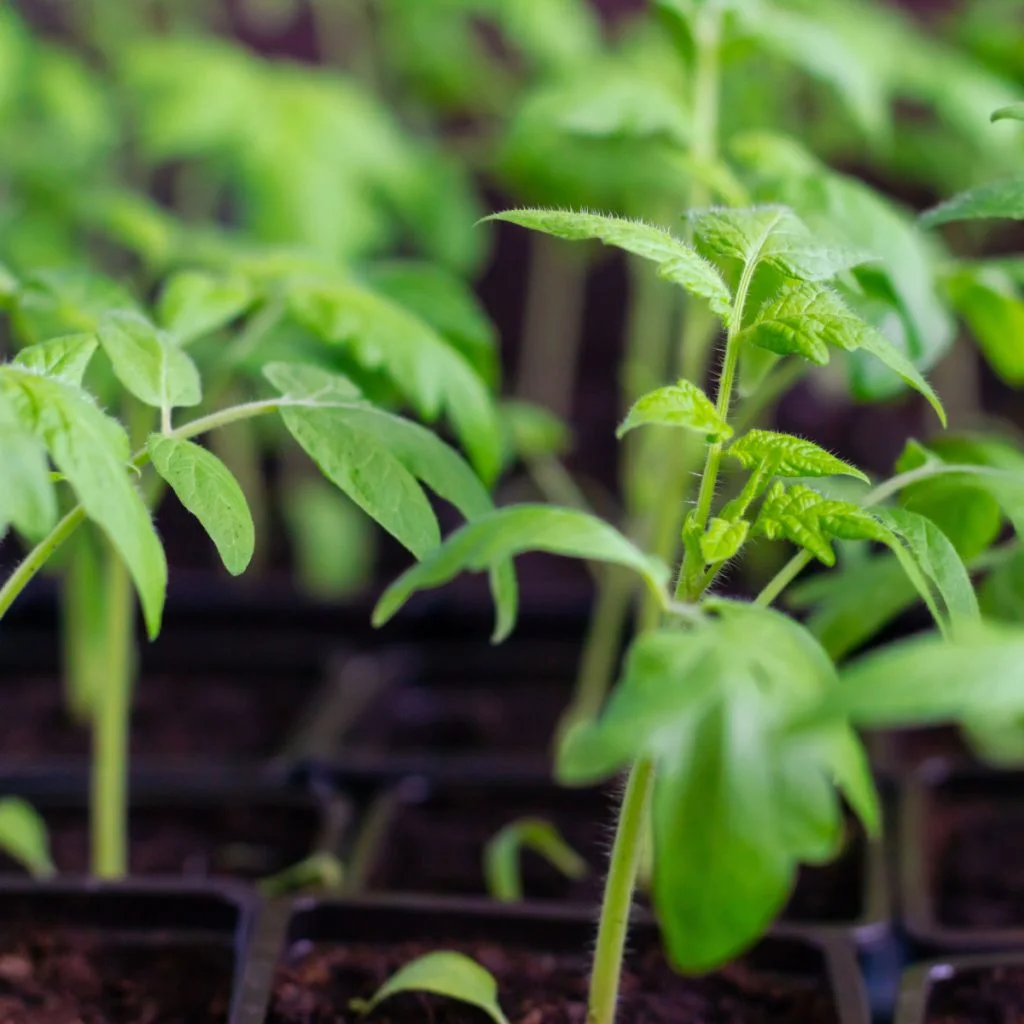
When seeds are started indoors at the right time, they get a head start on the growing season. They grow bigger, stronger, and are ready to produce earlier once they are transplanted outside. However, starting the wrong plants indoors can actually slow growth, cause stress, and reduce a harvest.
Why Starting the Right Vegetables Indoors Matters
Starting seeds indoors gives gardeners control. You control the temperature, moisture, and light. This allows slow-growing plants to develop strong roots and sturdy stems long before outdoor conditions are ideal.
Vegetables that take a long time to mature or require warm soil benefit the most from indoor seed starting. By the time they are planted outside, they are already weeks ahead of direct-seeded plants.
On the other hand, fast-growing vegetables or plants with delicate root systems often suffer when transplanted. These plants prefer to grow exactly where they will produce, without being disturbed.

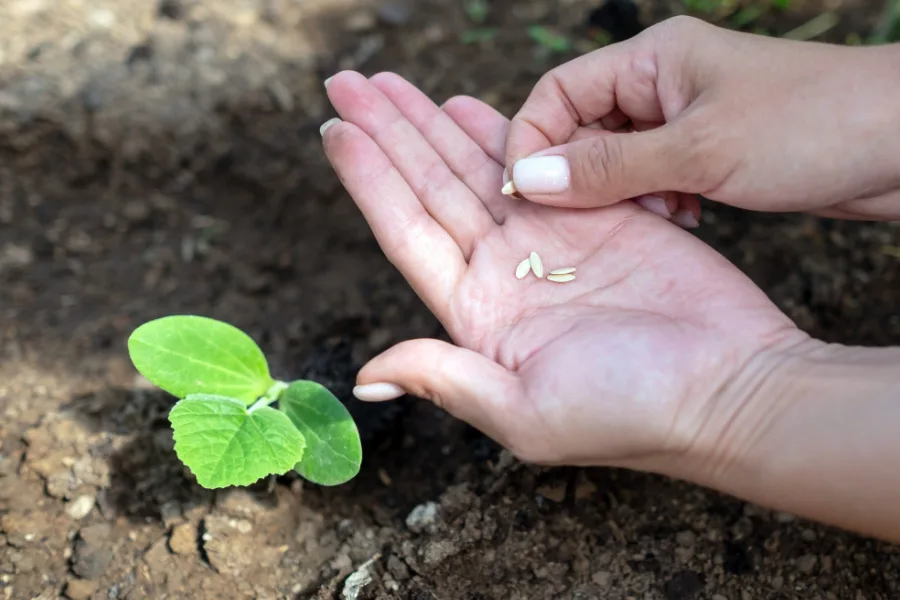
Understanding which vegetables fall into each category is truly one of the biggest secrets to gardening success. And with that in mind – here is a look at plants to always starts early indoors – and two to avoid!
2 Vegetable Plants You Should Always Start Indoors – Tomatoes & Peppers!
Tomatoes & peppers are at the top of the list when it comes to vegetables that need to start inside before the gardening season arrives. They both are slow to grow at first. And they also both require warm soil and air temperatures to thrive.
Tomato and pepper plants take time to develop strong roots and thick stems. Starting them indoors allows this growth to happen in a controlled environment where cold nights, wind, and pests are not an issue. Affiliate Link: Tomato Seeds – The Perfect 10 Variety Pack for Planting!
By the time plants are moved outdoors, they already have a strong root system and are ready to grow quickly. This leads to earlier flowering and earlier fruit production for both. Another benefit is plant size. Indoor-started tomato and pepper plants are sturdy, and capable of handling outdoor conditions much better than tiny seedlings trying to grow in cold soil.
Both Tomatoes & Peppers Transplant Extremely Well
Even with all of the great reasons to start tomato and pepper plants indoors above, an even bigger reason is just how well both transplant. Of all vegetable plants, these two suffer very little transplant shock compared to most other vegetables. In fact, with proper hardening off, they transition incredibly well into a garden or raised bed. See our article: How To Harden Off Plants – Why Hardening Off Is A Must For Young Transplants!
All of that early growth pays off. Starting tomato and pepper plants indoors can move a harvest up by several weeks or more. And for gardeners in cooler climates or areas with shorter growing seasons, starting them indoors is a must just to ensure a harvest!
2 Vegetable Plants To Never Start Indoors – Cucumbers & Zucchini
While tomatoes and peppers benefit from starting from seed indoors, it’s certainly not the case for all vegetables. Some plants grow so quickly from seed that indoor starting actually slows them down.
Others have sensitive root systems that do not respond well to transplanting. These plants often experience transplant shock that stunts growth and delays production. And two of the biggest offenders happen to be cucumbers and zucchini.
Cucumbers and zucchini are fast-growing plants that prefer to go directly into the garden. Unfortunately, starting them indoors will often cause more harm than good.
Both have delicate roots that do not like to have their growing disrupted. But even when started in biodegradable pots, they often struggle after transplanting. Transplant shock can cause them to stop growing for days or even weeks. Meanwhile, during the same time frame, direct-seeded cucumber and zucchini plants are usually already thriving.
Both cucumber and zucchini seeds sprout quickly when planted in warm soil. In many cases, direct-seeded cucumbers will catch up to and surpass transplanted plants in just two to three weeks. Because they grow so fast, there is very little benefit to starting them indoors. Quite simply, the risk of transplant shock outweighs any small head start gained from transplants.
Less Risk From Cold Weather
What really makes zucchini and cucumbers better to grow from seed is that there is far less risk to plants from cold and wet weather. Weather that is usually common in early spring!
All too often when grown as transplants, zucchini and cucumber plants sit in the cold soil of spring. And when they do, they have a far greater chance of suffering from mildew. Even worse, they then become an easy target for pests.
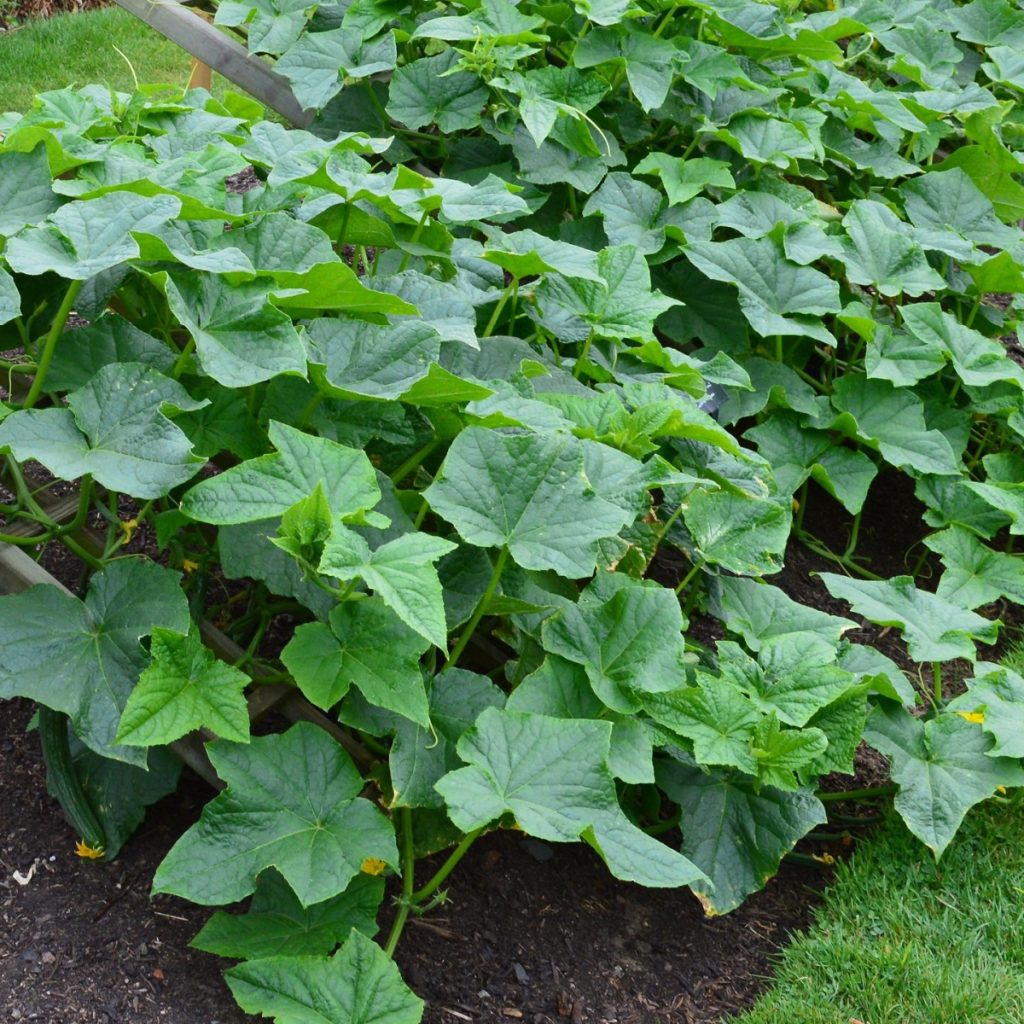
But when seeds are planted directly in the garden once the soil warms, those issues all but disappear. They also have the added advantage of sprouting and growing up already used to the outdoor conditions – making them far hardier.
Timing Is Everything When Starting Seeds – No Matter Where You Start Them!
Timing is everything when starting seeds indoors. Starting too early can result in tall, weak plants that struggle when transplanted. The same can be said if you start seeds outdoors too early before the soil warms.
For tomatoes and peppers, starting seeds 6 to 8 weeks indoors before the last expected frost date is usually ideal. You need to plant cucumbers and zucchini in the garden once soil temperatures are warm and the danger of frost has passed.
One thing is for sure, matching the right plant with the right starting method creates healthier plants and better harvests with less effort. Here is to growing your best garden ever this year!
Simple Garden Life
Follow Our Facebook Page For Even More Great Tips! Simple Garden Life Facebook Page
Simple Garden Life is a website dedicated to keeping gardening fun, simple and enjoyable! We publish two new articles each week along with a new garden podcast episode every two weeks. This article may contain affiliate links.