How To Protect Cucumber Plants From Bugs, Blight & Disaster - Keep Your Plants Safe This Year!
When it comes to keeping your cucumber plants safe from pests and disease, there are a few simple secrets that can go a long way to helping your plants stay out of harms way.
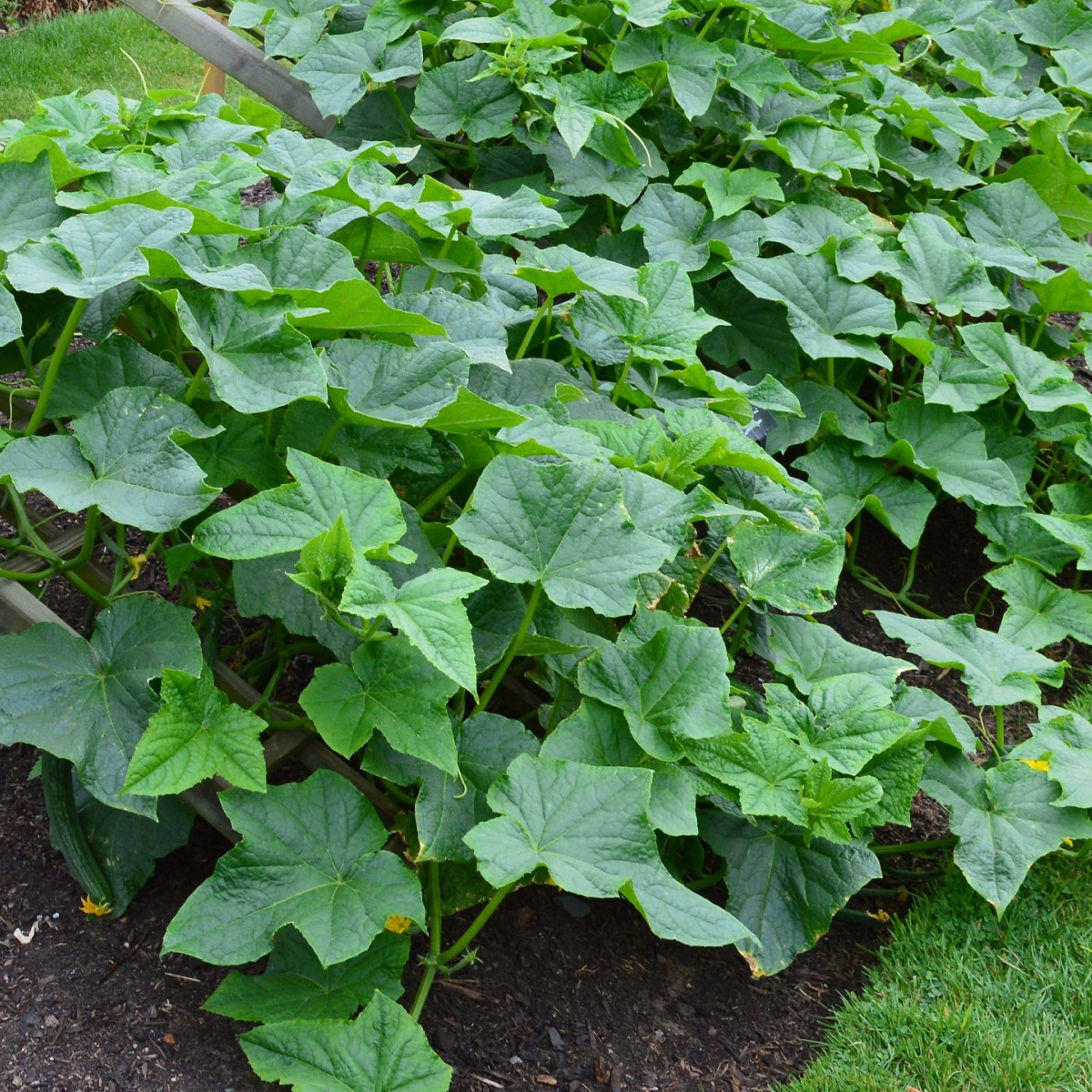
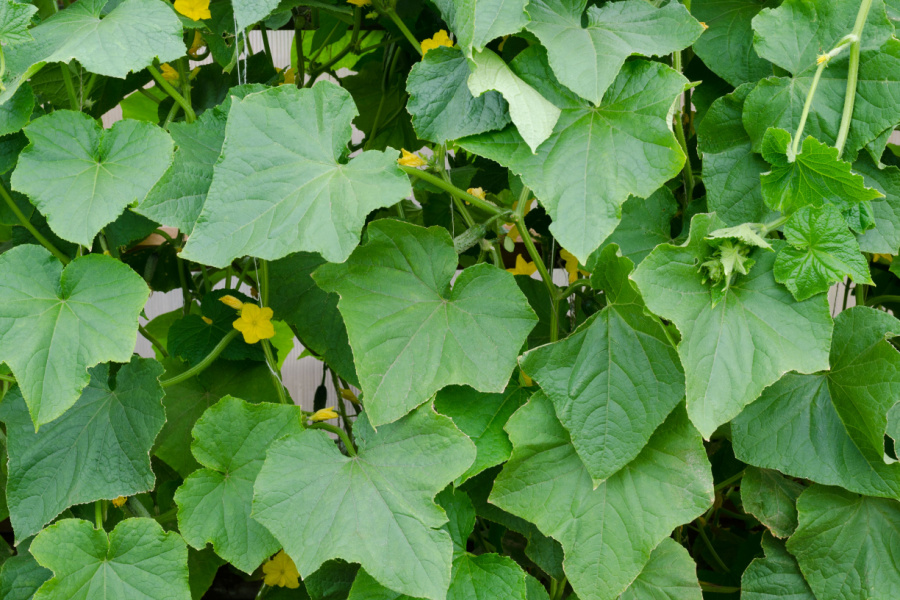
No matter how you grow your cucumbers, it can often be a challenge for gardeners to get a sizable harvest from their plants - simply because the plants have a hard time staying healthy. From mold, mildew and disease issues, to a slew of pest problem, cucumbers have a history of frustrating even the most seasoned gardener.
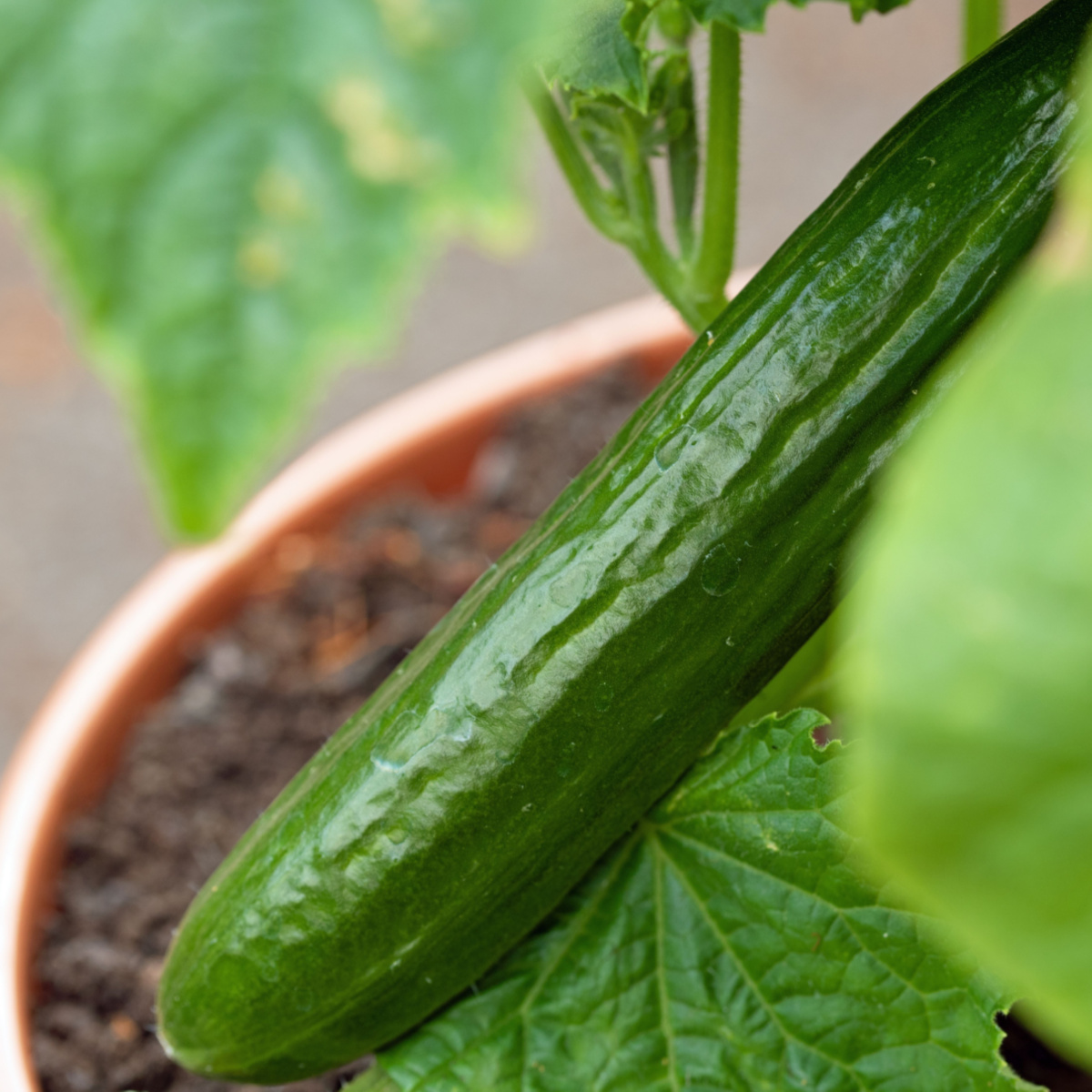
But the good news is that it doesn’t have to be difficult to grow an amazing harvest of cucumbers! Nor does the effort have to be a time consuming. In fact, armed with just a few key planting and growing tips, you can all but ensure strong and healthy plants – and a great harvest this year.

3 Easy Ways To Keep Cucumber Plants Safe From Pests & Disease
Planting Smart To Keep Plants Safe From Disease & Pests
One of the biggest factors in keeping your cucumber plants safe and productive happens before you ever place a seed or plant into the soil. And that factor? Picking the proper planting location!
There are a few things to keep in mind when choosing your growing location for your cucumber plants, the first of which is keeping good sunlight in mind. Cucumber plants need a lot of sunlight in order to grow and produce fruit. Especially early morning sun.
Not only does a lack of sunlight set the stage for plants to fail to thrive and produce, it also leaves them more susceptible to powdery mildew. Powdery mildew is one of the most common yet destructive diseases that can affect cucumber plants.
If left unchecked, it will drastically reduce fruit production and the health of existing foliage. If bad enough, it is also often fatal to cucumber plants altogether. See our article: How To Avoid Powdery Mildew In The Spring – Keep Plants Safe!
So what is the root cause of powdery mildew? One of the biggest contributors is when plants have too much moisture on their foliage for extended periods of time. If cucumber plants sit in the shade, especially during the morning hours, the moisture built up from the morning dew can quickly lead to mildew and mold issues.
Check out our podcast below on how to grow an incredible crop of cucumbers!
To help alleviate this issue, always try to plant your cucumbers in a location the receives at least 8 hours of sunlight. And morning sunlight is best of all to help dry plants off quickly.
Also, avoid watering plants overhead. Unfortunately, this added moisture on foliage can also aid in the formation of powdery mildew. Finally, always water plants early in the morning to allow them time to dry out throughout the day.
Adding Protection For Your Cucumber Plants To Keep Them Safe
When it comes to pests, there are a whole host of insects that enjoy cucumber plants as much as you do. Because of that, adding some protection for your plants is important.
For starters, growing a few companion plants around your cucumbers can help in the fight. Marigolds and Nasturtiums are both great examples of a companion plant for cucumbers. Both plants help attract beneficial pollinators like butterflies and bees - all while repelling unwanted pests like aphids and nematodes.
Cucumber beetles are another pest that can hit cucumber plants hard. They arrive in late May and June and can cause great destruction to the foliage and flowers of cucumber plants. Even worse, their bite on the plants can bring on bacterial wilt, which slowly kills the entire plant.

Planting trap crops like sweet alyssum nearby, which they prefer more, can attract the beetles away from you plants. Neem oil is another option to spray if beetles are present.
But the the best way of all to protect plants are with plant covers. If you have had issues with beetles in the past, it's important to get these in place in mid-May to early June when the beetles arrive.
The plants are small at this point and covering them can keep them safe from the beetles bite until they leave by early summer. Affiliate Link: Plant Covers - Garden Netting, Ultra Fine Mesh
Give Your Plants The Soil They Need For Success
Having healthy and nutrient filled soil will also go a long way in keeping your cucumber plants growing strong and avoiding trouble. Weak, struggling plants are an easy target for both pests and disease to take hold.
Cucumbers need loose, well-draining soil in order to help in the fight against powdery mildew. If the growing location area and soil cannot drain away excess water, it leaves plants susceptible of not just mildew, but rot as well.

For starters, always plant you cucumbers in slight hills. This will shed excess water around the main stems. In addition, be sure to add a good amount of compost to each planting area. Amending with compost will help increase drainage and add all-important nutrients.
The compost helps to add channels and air pockets within the soil. In turn, this creates more places for the water to travel to as opposed to just sitting on top. If you happen to have extremely heavy, clay-like soil, you can also mix in sand and/or perlite to increase drainage even more.
Don't Forget The Mulch!
Now that you have chosen the perfect planting location with plenty of fertile soil and sunlight, the last step to keep your cucumber plants safe from disease and pests - and have lots of blemish-free cucumbers - is to simply give your plants a protective layer of mulch.
Adding an all-natural mulch like straw, shredded leaves, or grass clippings underneath plants is a must to keep weeds, pests and disease away from plant.
When weeds grow around cucumber plants, they compete for nutrients and resources within the soil. The mulch helps to block out those competing weeds from establishing. Even more, mulch helps to regulate the soil temperature and keep a healthy amount of moisture in the roots.
In addition, mulch helps to keep foliage and blooms clean and disease free. When plants lay directly on the soil, it’s easy for soil-born diseases to take root and make themselves at home. It also helps prevent pests like slugs and cucumber beetles from easily finding plants.
Once plants have started to emerge from the soil, add four to six inches of mulch around the plants. Leave about an inch or two around the base of each stem to prevent the mulch from touching the plant.
For more tips on growing a great harvest of cucumbers, check out: 2 Things To Feed Your Cucumber Plants Now!
Simple Garden Life
Follow Our Facebook Page For Even More Great Tips! Simple Garden Life Facebook Page
Simple Garden Life is a website dedicated to keeping gardening fun, simple and enjoyable! We publish two new articles each week along with a new garden podcast episode every two weeks. This article may contain affiliate links.