2 Big Things To Do For Your Hostas In November - And 2 You Shouldn't!
Wondering what to do for your hostas in November before winter arrives? Although their big, beautiful leaves may be turning yellow and collapsing to the ground, there are still two important jobs to take care of before putting your flowerbeds to rest!
Hostas are among the easiest perennials to grow. They fill shady spaces with thick foliage, return year after year, and can grow into impressive clumps with very little attention.
But once cold weather ends their growing season, those large leaves can become a soggy blanket over the soil. And leaving that blanket in place until spring can create problems.
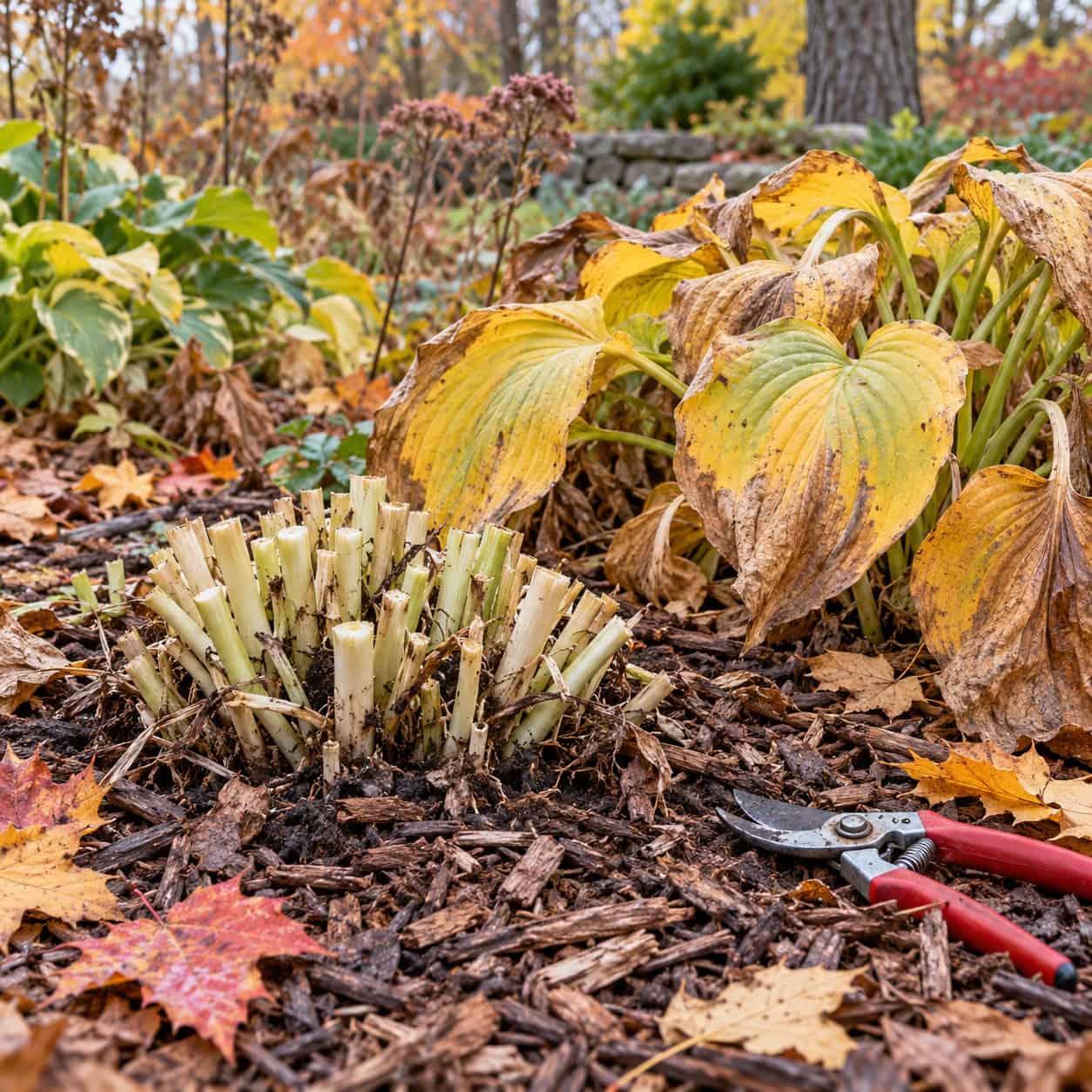
Old hosta foliage can shelter slugs and their eggs, along with other garden pests. If the leaves were affected by disease during the growing season, leaving them behind can also leave infected plant material right beside next year’s emerging shoots.
That is why a little November care can be so helpful. By removing spent foliage and protecting the surrounding soil with mulch, you can help your hostas head into winter in better condition. But there are also a couple of chores you need to skip!
2 Big Things To Do For Hostas In November
1. Cut Back Your Hostas Once The Foliage Dies
For many gardeners in colder climates, November is the right time to cut back hostas. By then, frost has usually turned their leaves yellow or brown, and the plants are entering dormancy.
The important part is waiting for that natural dieback. While leaves are still green and healthy, they continue making food for the plant. Cutting them off too early takes away that opportunity.
Once the foliage has yellowed, browned, and collapsed after frost, it has finished its work for the season. At that point, removing it helps clean up the bed without taking away useful growing time.
If your November weather is still mild and your hostas remain green, wait. The condition of the plant matters more than the date on the calendar.

Why No To Leave Hosta Leaves All Winter
Hosta leaves are large, soft, and full of moisture. After frost, they tend to flatten into a thick layer rather than remain standing above the soil.
That damp cover provides shelter for slugs, which are already one of the most frustrating pests for hosta growers.
Slugs can hide beneath plant debris, and their eggs may also be present in sheltered places near the soil. Removing dead leaves takes away some of that cover and makes it easier to inspect the area.
Cleanup is also useful when plants have had leaf spots or other foliage diseases. Infected leaves left in the bed can carry disease organisms into another season.
Removing foliage will not eliminate every pest or prevent every disease. But it is a simple way to reduce problems around the plants before fresh growth appears next spring.
How To Cut Hostas Back in November
Use sharp hand pruners or garden scissors to cut the dead leaf stems a couple of inches above the soil.
You do not need to cut into the crown or scrape the plant down to bare ground. The crown is the living portion near the soil surface where next year’s shoots will develop.
Work around the clump, gathering the cut foliage as you go. Remove old flower stalks as well, especially any that still hold seed heads.
Listen To Our Garden Podcast Below

Avoid yanking on leaves that remain firmly attached. Pulling can damage the crown or loosen parts of the plant. Cutting gives you better control.
Wear gloves when gathering wet, decaying foliage, and take a moment to remove weeds hiding beneath the leaves. Small weeds are much easier to find once that heavy cover is gone.
2. Check And Refresh The Mulch Around Your Hostas
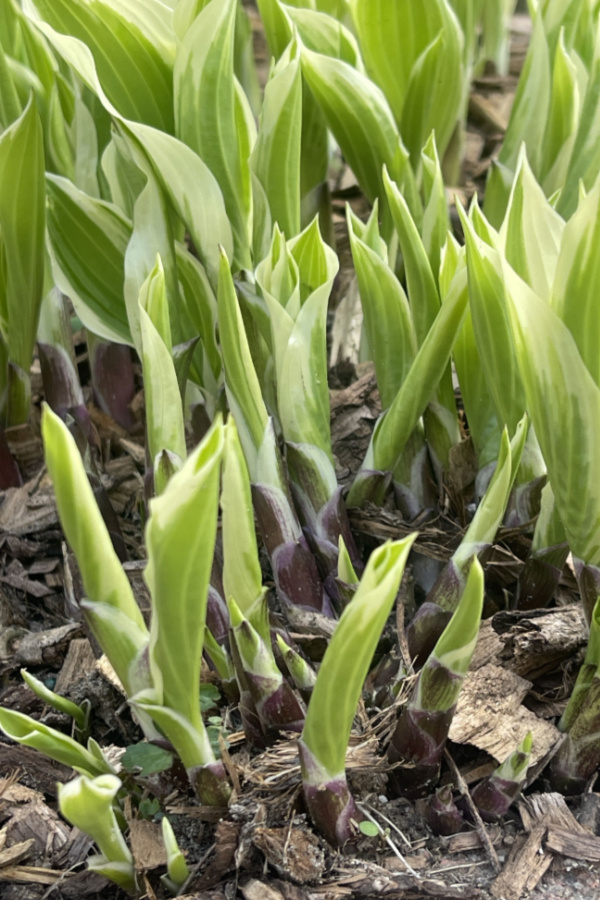
After cleanup, inspect the mulch around each clump. Hostas are hardy plants, but their roots still benefit from a protected soil surface. Mulch helps moderate soil temperature, slows moisture loss, and reduces exposed areas where weeds can establish.
One of its most useful winter jobs is limiting repeated freezing and thawing. As soil freezes and thaws, it expands and contracts. That movement can push recently planted or shallow-rooted plants upward, exposing roots to cold air and drying conditions.
An even layer of mulch helps reduce those swings. It is especially helpful for hostas planted or moved during the past growing season. Established clumps may need only a small touch-up where coverage has become thin.
For most hosta beds, maintain about two to three inches of organic mulch over the surrounding soil.
Keep dense mulch away from the central crown. Spread it around the root area rather than piling it directly over the remaining stem stubs.
Leave Existing Mulch Undisturbed
There is no need to rake through the entire bed before topping up thin areas. Stirring mulch into the soil can bring buried weed seeds closer to the surface. It can also mix soil into the mulch, giving incoming seeds a better place to sprout.
Pull weeds individually, disturb as little soil as possible, and gently add mulch where coverage is lacking.
If removing a weed exposes bare soil, cover that small spot again. Keep the rest of the protective layer intact.
Do Not Fertilize Hostas In November
One thing you don't want to do to your hostas in November is feed them.
In cold-winter gardens, November is too late for the usual growing-season fertilizer application. The plants are no longer actively producing the foliage that feeding is meant to support.
Late applications can also waste nutrients, particularly when plants cannot use them before wet winter weather arrives.

Save fertilizer for spring, when new growth begins, and base feeding on the needs of your soil and plants. A healthy, established hosta growing in good soil may need very little additional fertilizer. See our article: The Best Way To Fertilize Hostas - A Simple Way To Keep Your Hostas Beautiful All Summer!
Do Not Divide Hostas This Late In The Season
November is also generally too late to divide hostas in areas where the ground will soon freeze.
Dividing cuts apart the root system. Each new section needs time to establish roots and settle into the soil before winter.
A freshly divided plant placed into cold ground has much less opportunity to do that. Small sections can be especially vulnerable to heaving and drying.
If your clumps have become crowded, mark the plants now and plan to divide them in early spring as the shoots begin emerging.
In milder climates, planting windows differ. But where winter is approaching quickly, leave established hostas rooted in place, finish the foliage cleanup, and protect the surrounding soil until spring.
The Simple Garden Life
Follow Our Facebook Page For Even More Great Tips! Simple Garden Life Facebook Page
Simple Garden Life is a website dedicated to keeping gardening fun, simple and enjoyable! We publish two new articles each week along with a new garden podcast episode every two weeks. This article may contain affiliate links.
More Fall Plant Care
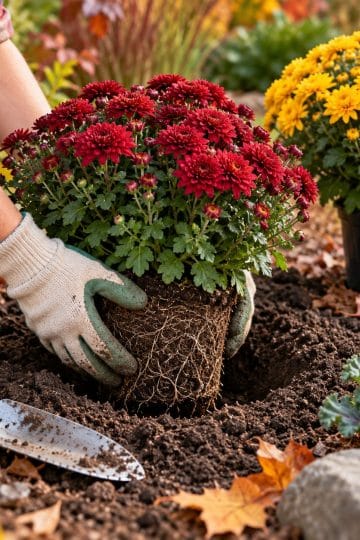
- How To Save Potted Mums For Next Year – The Simple Secrets To Planting Mums Outdoors!
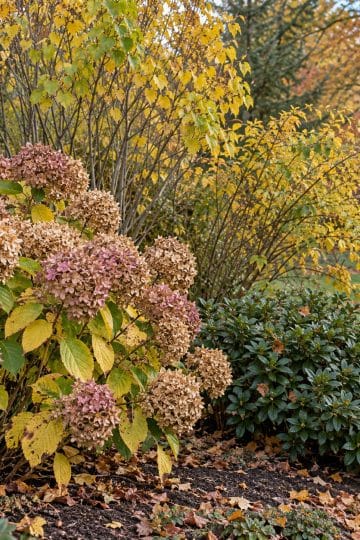
- 4 Bushes You Should Never Cut Back In October Or November!
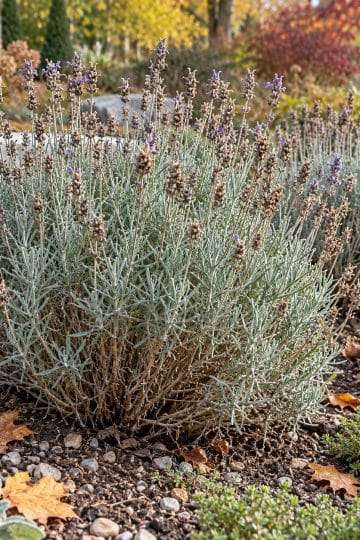
- What To Do With Lavender In Late Fall – And Why Pruning Can Be A Big Mistake!
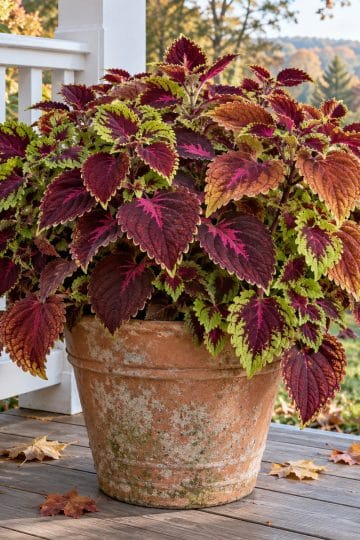
- Why You Need To Save Your Coleus In October - Before One Cold Night Ends It All!