4 Bushes You Should Never Cut Back In October Or November!
Wondering which bushes you should never cut back in October or November? Before you grab your pruning shears to tidy up the landscape, there are a few flowering favorites you will want to leave alone - especially if you want them loaded with blooms next year!
By late fall, it’s easy to think everything needs a trim. Annual flowers have faded, perennial foliage is dying back, and leaves are collecting around the base of shrubs. With so much cleanup underway, cutting back a bush that looks a little overgrown can seem like the perfect finishing touch.
But for many flowering shrubs, those seemingly lifeless branches are already holding next spring’s flowers. Although you can’t see the blooms yet, the buds that will produce them formed months ago. And if you prune those branches now, you remove the flowers right along with them.
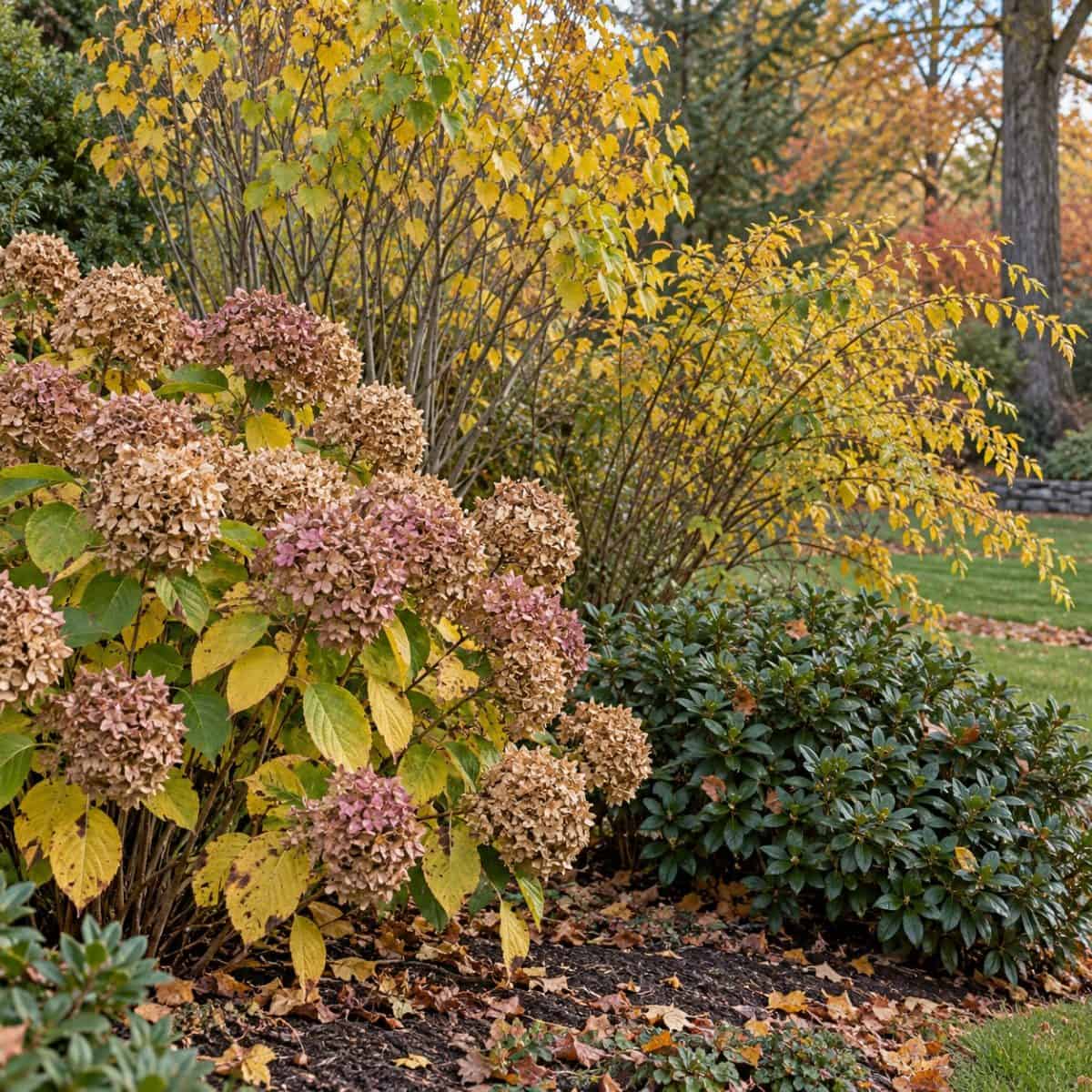
Even worse, a heavy fall pruning can leave a shrub with fresh cuts just as cold weather arrives. There is little benefit to reshaping these plants now when a better pruning window comes after flowering.
The good news? Leaving the right bushes alone means less work this fall - and a much better chance of enjoying a landscape full of color next year. Here are four favorites to keep off your fall pruning list!
4 Bushes You Should Never Cut Back In Late Fall
Why Fall Pruning Can Remove Next Year’s Flowers
Before getting to the bushes, it helps to understand why pruning time matters so much. Flowering shrubs generally produce blooms on either old wood or new wood.
Old wood is growth that developed during the previous growing season or earlier. Shrubs that bloom on old wood often set their flower buds during summer, then carry those buds through fall and winter. When spring arrives, the buds open into flowers.
New wood is growth the plant produces during the current growing season. Shrubs that bloom on new wood have a different pruning schedule because they haven’t spent the winter holding the same ready-made flower buds.
The four bushes below bloom primarily on old wood. Cutting them back in October or November can remove the very growth you need for next year’s display.

There is one important exception to leaving them alone. Broken, hazardous, or clearly diseased branches may need removal whenever you discover them. The goal is to avoid routine shaping, height reduction, and hard cutbacks in fall.
Lilacs – Never Cut Back These Bushes In October or November!
Lilacs form their flower buds during the growing season after their spring bloom finishes. By October and November, those buds are already in place on the branches.
Unfortunately, lilacs are also one of the shrubs homeowners are most tempted to trim in fall. After a summer of growth, branches can extend into a walkway, lean over a fence, or make the bush look taller than you would like.
But shortening those branches now can mean cutting away a large portion of next spring’s flowers. Shearing the entire shrub into a neat shape can be particularly disappointing when bloom time arrives.
Instead, save routine pruning for right after the flowers fade in spring. That gives the plant time to grow and develop flower buds for the following year. Spring, not fall, is also the time to fertilize. See: How To Fertilize Lilac Bushes For Big Blooms - And Why To Do It Early!
For an older lilac, selectively removing a few of the oldest stems at ground level can help encourage replacement growth. Spread major rejuvenation work over several years rather than removing everything at once.
Listen To Our Garden Podcast Below!

Forsythia – Don’t Cut Away Your Early Spring Color
One of the first bushes to announce that spring has arrived is Forsythia. Its bright yellow flowers cover long branches, often before the leaves begin to unfold.
But every one of those flowers depends on buds the plant formed during the previous growing season. By late fall, the branches are already carrying the next display.
Because forsythia grows quickly, it often looks a little wild by October. Long shoots arch outward, and new stems may reach beyond the space you originally planned for the bush.
It can be tempting to grab hedge trimmers and cut everything back into a tidy mound. Unfortunately, that removes flower buds and takes away much of the graceful shape that makes forsythia so attractive.
The best time to control its size is shortly after flowering finishes in spring. Instead of repeatedly trimming just the branch tips, remove selected older canes near ground level. This helps thin the shrub while allowing younger branches room to grow.

For October and November, leave healthy branches in place. A slightly untidy bush through winter is a small trade for those brilliant yellow flowers when the weather finally warms!
Azaleas – Protect The Flower Buds Already In Place
Azaleas can produce an incredible blanket of spring color, but a fall haircut can leave that same bush looking mostly green when it should be covered in flowers.
Most spring-blooming azaleas develop their flower buds during summer. Those buds remain on the plant through fall and winter, waiting for the right conditions to open.
Trimming branch tips in October or November can remove many of them. Even a light shearing across the outside of the shrub can affect the display because that outer growth often holds flower buds.
For routine shaping, prune shortly after the main spring bloom finishes. Keep cuts selective and avoid trimming simply because the calendar says it’s time for landscape maintenance.
Instead of pruning this fall, check the soil around your azaleas. Their relatively shallow roots benefit from a loose layer of mulch that helps moderate soil moisture and temperature.
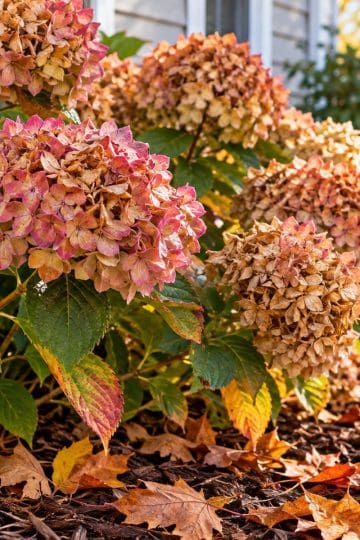
Bigleaf Hydrangeas – Keep Those Bud-Bearing Stems Standing
Hydrangeas cause plenty of pruning confusion because different types bloom on different growth. For this fall warning, the important group is bigleaf hydrangeas - including the familiar mophead and lacecap types.

Many bigleaf hydrangeas bloom on old wood. Their stems carry flower buds into winter, making an October or November cutback a gamble with next year’s flowers.
Once their leaves drop, the stems can look bare, woody, and ready for removal. But cutting them down simply because they look finished can take away the coming season’s blooms.
Reblooming varieties can also flower on new growth, but preserving their old stems still matters. Those stems can provide the earlier round of flowers, so cutting them back may delay or reduce the overall display.
Leave healthy stems standing through fall and winter. In spring, wait for buds to begin growing before deciding which portions are truly dead. A stem that looks lifeless in March may still produce leaves farther down as the weather warms.
Dried flower heads can remain for winter interest. If you prefer to remove them, make a shallow cut immediately below the spent flower head and above the first healthy buds.
Not All Hydrangeas Bloom On Old Wood
This advice doesn’t apply to every hydrangea. Panicle and smooth hydrangeas bloom on new wood and have different pruning needs. If you don’t know which type you have, leaving it alone until you can identify it is the best way to avoid accidentally removing its flowers.
Here is to knowing what bushes to never cut back in the fall. And to big blooms next year!
The Simple Garden Life
Follow Our Facebook Page For Even More Great Tips! Simple Garden Life Facebook Page
Simple Garden Life is a website dedicated to keeping gardening fun, simple and enjoyable! We publish two new articles each week along with a new garden podcast episode every two weeks. This article may contain affiliate links.
More Fall Plant Care
- What To Do With Lavender In Late Fall – And Why Pruning Can Be A Big Mistake!
- Why You Need To Save Your Coleus In October - Before One Cold Night Ends It All!
- The 3 Best Things You Can Do For Your Hydrangeas In October - And What You Shouldn't!
- 5 Perennial Flowers You Can Still Divide In October – Fill Your Flowerbeds Now For Next Year!