The 3 Best Ways To Use Fall Leaves For A Better Garden Next Year!
Looking for a few great ways to use all of the leaves falling this fall to help you have a better garden next year?
Leaves are one of the best free resources you can find for improving your garden - and how you use them this fall can make a big difference in how well your plants grow next year!
After a full growing season, garden soil can use a little help. Vegetable plants and flowers take nutrients from the ground as they grow. Meanwhile, foot traffic, heavy rains and summer heat can leave soil compacted, crusted and harder to work.
Fall leaves can help with all of those issues. They add organic matter, protect exposed soil and provide the raw material for rich, homemade compost. And with trees dropping them by the bagful, autumn is the perfect time to put them to work.
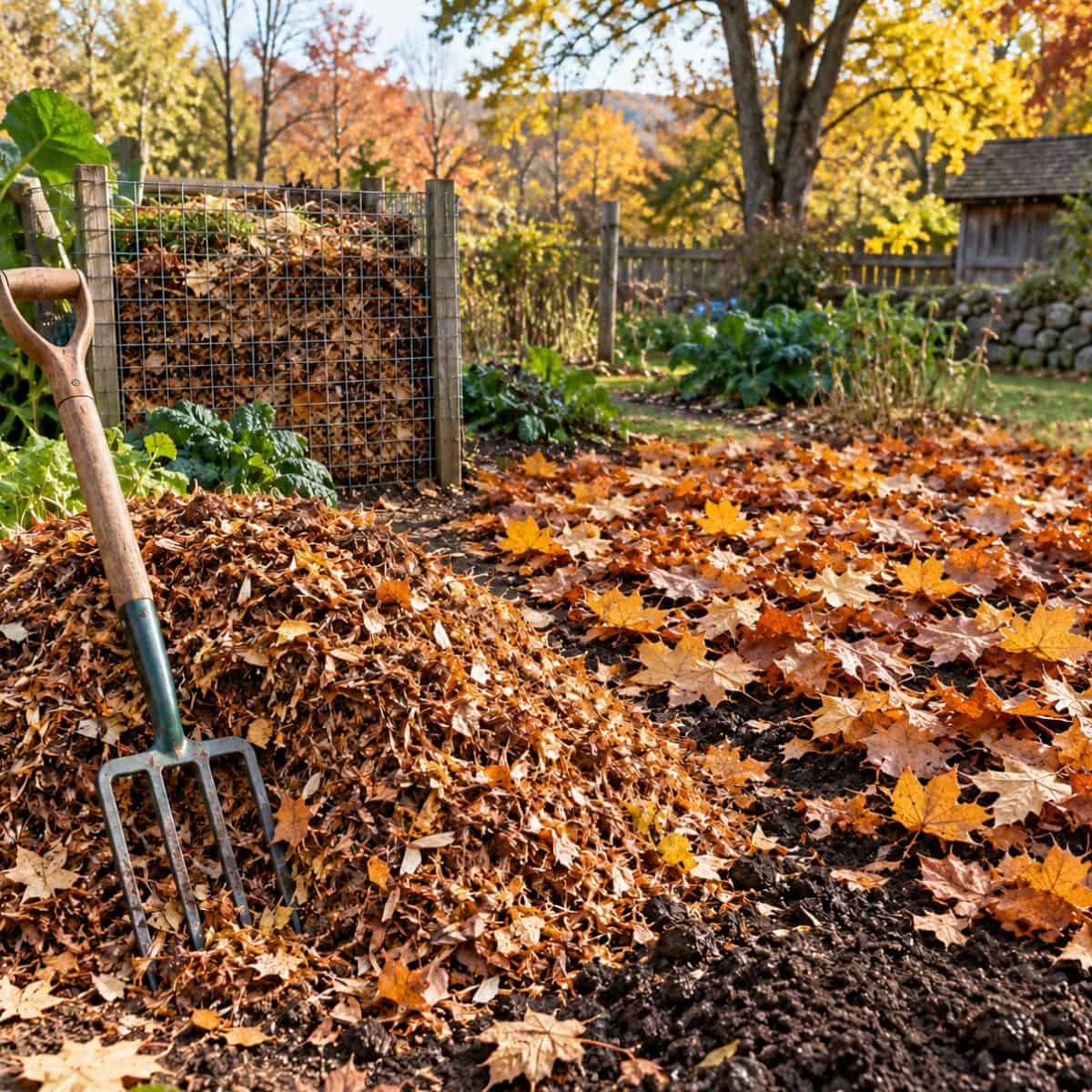
The secret is matching the leaves to the job. Shredded leaves are best for mixing into soil. Whole leaves can protect empty beds through winter. And with the right ingredients and a little moisture, a pile of leaves can become a valuable supply of compost.
Here is how to use all three methods to give your garden a boost this fall!
3 Best Ways To Use Fall Leaves For A Better Garden
1. Shred Leaves To Improve Your Garden Soil
One of the best ways to improve garden soil with leaves is to shred them and work them into the surface. As the pieces break down, they help loosen heavy soil and improve its structure. In sandy soil, that same organic matter helps hold moisture that would otherwise drain away too quickly.
Shredding is what makes this method work so well. Whole leaves have a large surface area and can overlap into dense layers. Buried in clumps, they break down slowly and can interfere with planting. Smaller pieces mix more evenly with the soil and give decomposers far more edges to work on.
You do not need expensive equipment to get the job done. Spread leaves in a relatively thin layer on the lawn and run over them with a mulching mower. A mower with a collection bag makes gathering the shredded material especially easy. You can also use a leaf shredder if you have one.
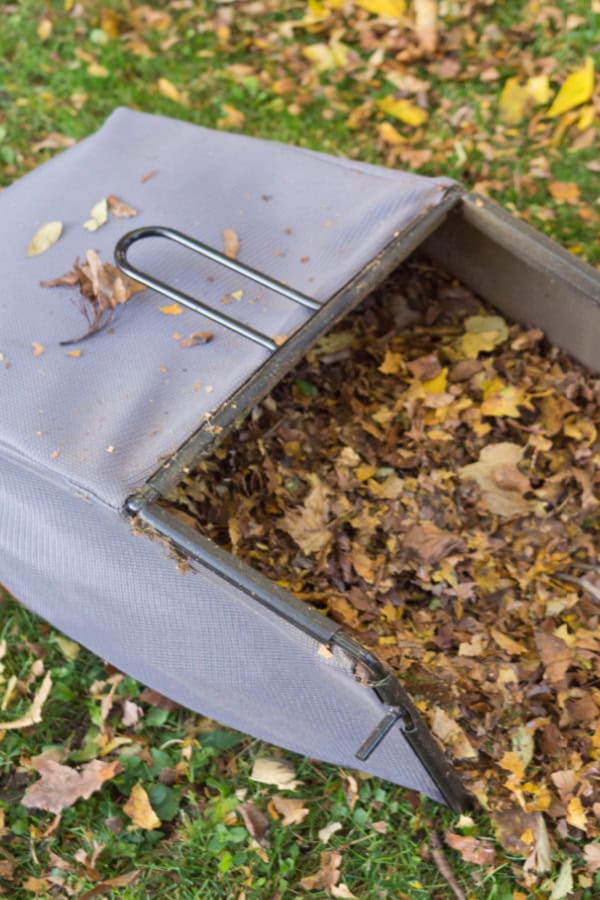
For the best results, shred leaves when they are mostly dry. Soaking wet leaves tend to clump, making them harder to chop and collect. Avoid collecting leaves from roadsides or other places where litter, road salt or chemical contamination may be a concern.
How To Work Shredded Leaves Into The Soil
Once shredded, spread about one to two inches over an empty garden bed. Mix them into the top few inches of soil with a garden fork or hand cultivator. There is no need to deeply till the garden just to incorporate leaves. A shallow mixing keeps the material near the surface where oxygen is available for decomposition.
Only work the soil when it is reasonably dry and crumbly. Digging into wet soil can create compacted clods that remain long after the leaves have disappeared.
It is also important to avoid overloading the bed. A modest amount of shredded leaves is helpful; burying a deep layer can create problems. Microorganisms use nitrogen as they break down leaves, temporarily tying up some of the nitrogen nearby.
Adding leaves in fall can help your garden and give that process a head start before spring planting. A light application of finished compost can go on at the same time. By spring, some leaf pieces may still be visible, but the soil-building process will already be underway.
Listen To Our Garden Podcast Below

2. Use Whole Leaves To Protect Garden Soil Over Winter
Another excellent way to use fall leaves requires even less effort - leave them whole and spread them over exposed garden soil for winter protection.
An empty garden bed is vulnerable once the growing season ends. Rain strikes the surface, moving fine soil particles and washing soil away. Wind can carry off dry topsoil, while repeated freezing and thawing can disturb the surface.
A covering of leaves cushions the ground from pounding rain and slows runoff. It also helps keep the surface from crusting and provides shelter for beneficial organisms living in and around the soil.
For empty vegetable beds and unplanted raised beds, start with a loose layer of whole leaves about three to four inches deep. They will settle as they become wet. The goal is an even covering that protects the soil, rather than a deep, tightly packed blanket.
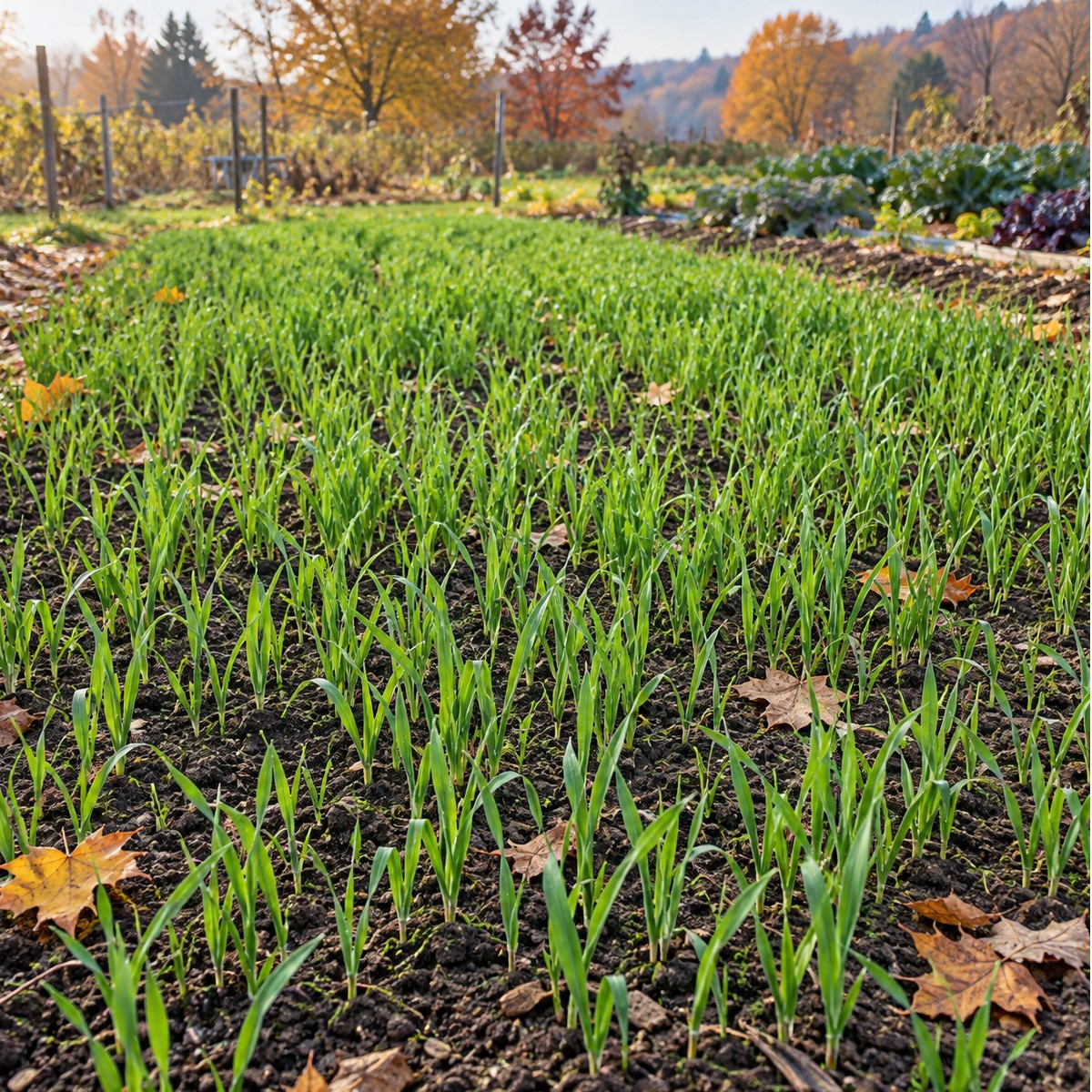
If your garden already has an established cover crop, avoid burying it under leaves. The growing plants need sunlight and room to develop. Use whole leaves on exposed areas where they will not smother something you want to keep growing.

Keeping Leaves In Place Through Winter
Keeping leaves in place is often the biggest challenge, especially in an open garden. Watering them lightly after spreading helps them settle. You can also lay a few branches across the surface or secure a piece of reusable garden netting over the bed.
Check the covering occasionally through winter. If leaves blow into a deep pile at one end, spread them back out. Keep heavy layers away from the crowns of perennial plants, where trapped moisture can contribute to rot.
In spring, rake aside any thick, matted leaves before sowing seeds. This allows the soil to warm and creates a clear planting surface. Move those leaves to the compost pile, or shred them for another use. There is no need to bury a wet mat simply because it protected the bed through winter.
3. Turn Fall Leaves Into Rich Garden Compost
The third way to put leaves to work is to turn them into compost. And if you have plenty of leaves available, this is one of the best opportunities of the entire gardening year!
Leaves supply the carbon-rich material a compost pile needs. Often called “browns,” they balance the nitrogen-rich “greens” that help fuel decomposition. Put the two together with moisture and oxygen, and you have the foundation for excellent compost. See our article: 3 Secrets To Turn Leaves Into Compost Fast!
Leaves piled up by themselves will eventually decay, but the process is usually slow. For faster garden compost, shred the leaves first and combine them with materials such as fresh grass clippings, coffee grounds, vegetable scraps and fresh garden trimmings.
A useful starting point is roughly two to three parts loose, shredded leaves to one part green material by volume. This is a starting guide, rather than an exact recipe, because ingredients vary. Watch how the pile behaves and adjust as needed.

Mix the ingredients instead of building thick, separate layers. Grass clippings are especially important to distribute throughout the leaves. Left in a dense layer, they can turn slimy and block airflow.
Keeping Your Leaf Compost Pile Working
Moisture matters just as much as the ingredients. A dry pile of leaves may sit for months with little change. As you build, add water so the mixture feels like a wrung-out sponge - evenly damp, but not dripping.
A pile roughly three feet wide, three feet deep and three feet tall is a useful size for holding heat. Smaller piles still compost, but they generally lose heat faster. A simple wire enclosure can keep everything together while allowing air to enter.
Turn the pile every week or two while it is actively decomposing, moving material from the outside toward the center. If it seems dry and unchanged, add water and mix in more greens. If it smells sour or feels soggy, turn it and add dry shredded leaves.
Cold weather will slow the process, and a fall pile may need additional time in spring to finish. Finished compost should be dark and crumbly, smell earthy and have few recognizable ingredients.
Save a few bags of dry leaves for next year’s composting, too. They are handy for balancing kitchen scraps and summer grass clippings when brown materials can be harder to find.
Whether you mix shredded leaves into the soil, spread whole leaves over empty beds or build a compost pile, you are turning fall cleanup into a valuable investment in your garden. And when planting season arrives next spring, those leaves you kept can already be helping build better soil!
The Simple Garden Life
Follow Our Facebook Page For Even More Great Tips! Simple Garden Life Facebook Page
Simple Garden Life is a website dedicated to keeping gardening fun, simple and enjoyable! We publish two new articles each week along with a new garden podcast episode every two weeks. This article may contain affiliate links.
More Vegetable Garden
- The Best Cover Crop To Plant In Your Garden This Fall – And Why!
- How To Help Tomato Plants In September - Get More Tomatoes Before Your First Frost!
- How To Keep Tomato Plants Productive In Late Summer - 3 Big Secrets To Keep Your Plants Producing!
- The Amazing Power Of Cinnamon In The Garden - 3 Ways To Stop Pests With Cinnamon!