5 Bulbs You Should Be Planting In October For Big Color Next Spring!
Want to know the best bulbs to be planting this October to fill your flowerbeds with early spring color next year?
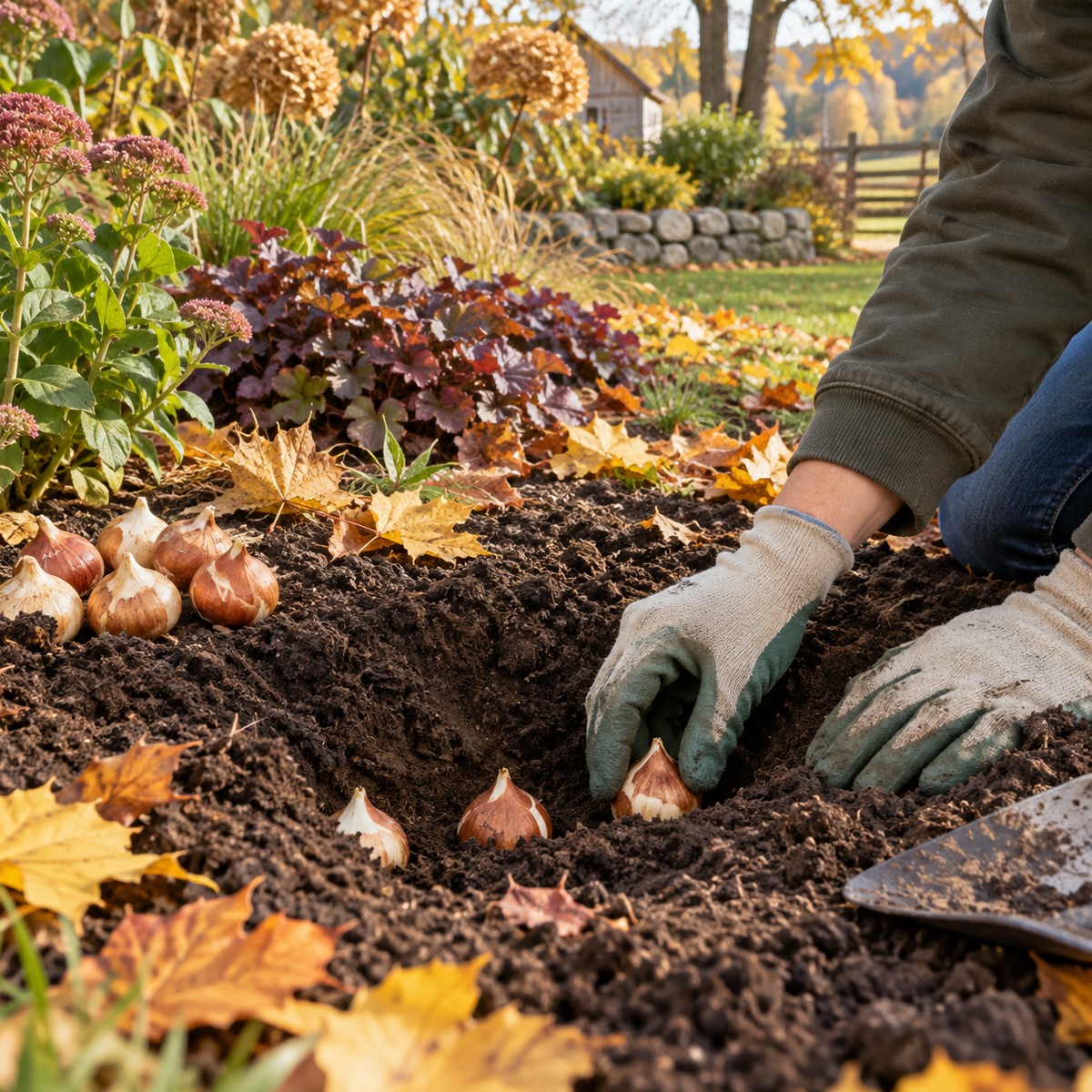
When it comes to creating beautiful spring flowerbeds, autumn is where it all begins. Although most gardeners are busy cleaning up their gardens, cutting back perennials, and preparing their landscape for winter, fall is actually the perfect time to plant some of the most beautiful spring-blooming flowers around.
From bright yellow daffodils and colorful tulips to fragrant hyacinths and delicate crocuses, fall-planted bulbs can bring incredible color to your landscape long before most perennials and annuals even begin to grow.
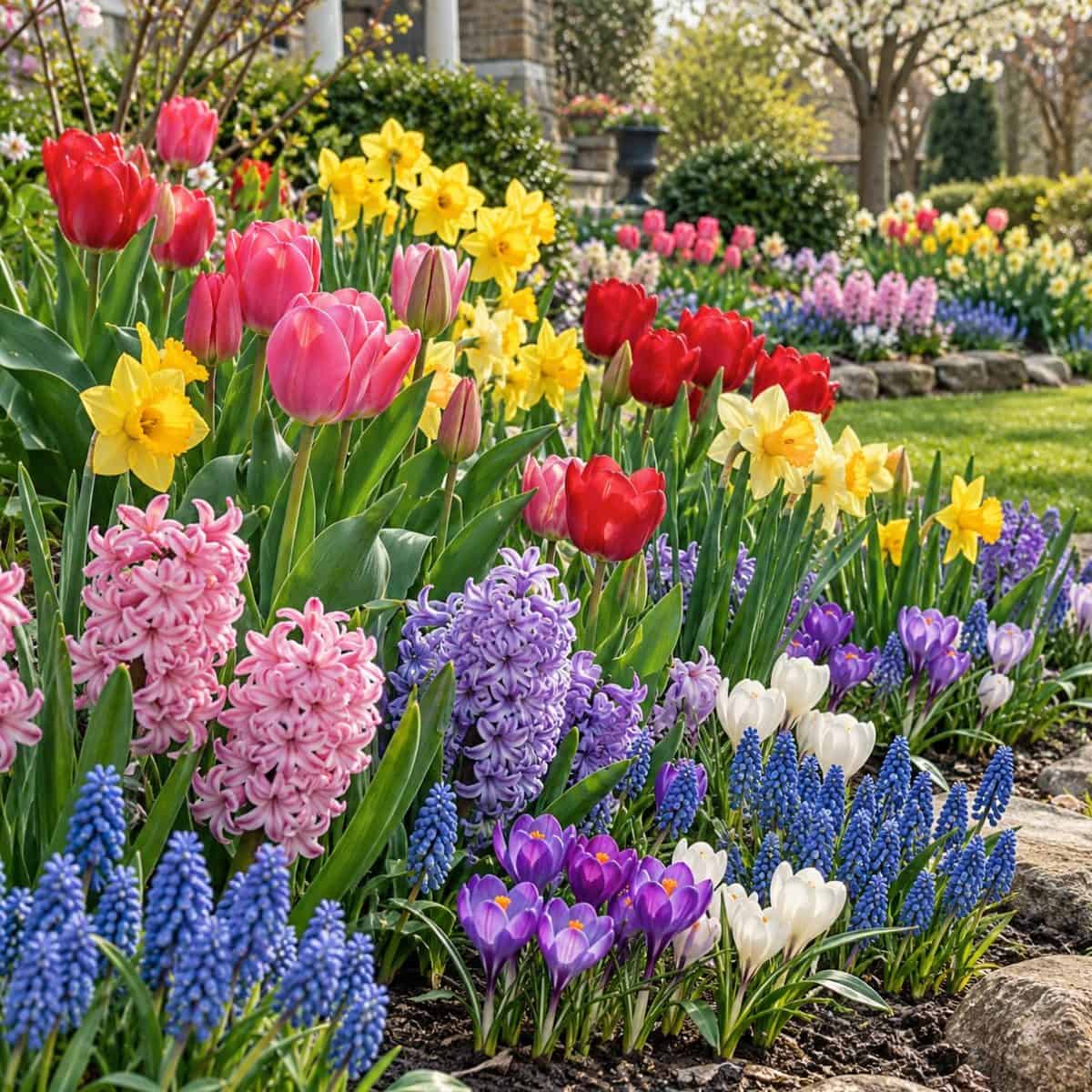
The secret is getting them into the ground at the right time. And with that in mind, here are five of the best bulbs to plant this fall to create a spectacular show of spring color!
5 Bulbs You Should Be Planting In October
Why Fall Is The Best Time To Plant Spring Flowering Bulbs
Unlike summer-flowering bulbs, many spring-flowering bulbs require an extended period of cold temperatures to develop and bloom properly. This natural chilling period helps trigger the processes that allow them to flower when temperatures begin warming in spring.
Planting in fall also gives bulbs time to establish roots before the ground freezes. Although very little growth may be visible above the soil, the bulbs are busy developing roots beneath the surface.
Those roots help the bulbs absorb moisture and nutrients, allowing them to get off to a strong start when spring arrives.
For most cold-winter growing regions, the best time to plant spring bulbs is when soil temperatures have cooled to around 60°F or below. This typically occurs sometime in October, depending on the climate.

Planting too early, while the soil is still warm, can increase the risk of disease and other problems. But waiting until the ground freezes solid can make planting difficult and limit the time bulbs have to establish roots. Now let's take a look at the 5 best bulbs for planting in October!
1. Daffodils – For Bright, Cheerful Spring Color
If you're looking for a spring-flowering bulb that is easy to grow, incredibly dependable, and capable of returning year after year, daffodils are hard to beat.
Daffodils are among the earliest flowers to appear in spring. Their bright yellow, white, orange, and cream-colored blooms can instantly bring life back to flowerbeds after a long, gray winter.
One of the biggest advantages of daffodils is their ability to naturalize. When planted in the right conditions, they can slowly multiply, producing larger clumps and more flowers with each passing year.
They are also naturally resistant to deer and rodents. Unlike tulips and crocuses, which can be attractive to hungry wildlife, daffodil bulbs contain compounds that make them unappealing to most animals.

For the best results, plant daffodil bulbs in an area that receives full sun to partial shade. They prefer loose, well-draining soil and can struggle in locations that remain overly wet during winter.
Most standard daffodil bulbs should be planted about six inches deep, although larger bulbs may benefit from slightly deeper planting. Space bulbs approximately four to six inches apart. Affiliate Link: Daffodil Bulbs - Narcissus Assorted ,Long lasting~ 40 Trumpet Daffodil Mix Bulb
2. Tulips – One oF THe Most Favorite Bulbs For Planting In OCtober!
When it comes to creating a dramatic spring display, few flowers can compete with tulips.
Tulips are available in an amazing range of colors, including red, pink, purple, yellow, orange, white, and even nearly black. There are also varieties with multiple colors, ruffled petals, and unique flower shapes.
One of the best things about tulips is that different varieties bloom at different times. By planting a combination of early, midseason, and late-blooming tulips, you can enjoy colorful flowers for several weeks during spring.
Tulips perform best in full sun and soil that drains well. Bulbs sitting in constantly wet soil are much more likely to rot before they ever have a chance to bloom. For most standard tulips, plant bulbs approximately six to eight inches deep, measuring from the bottom of the bulb. Space them about four to six inches apart.
If you want tulips that are more likely to return, look for species tulips or perennializing varieties, including certain Darwin hybrid tulips.
And because tulip bulbs are a favorite food of squirrels and other rodents, consider protecting newly planted areas with a layer of wire mesh beneath the mulch where digging pests are a problem.
Listen To Our Garden Podcast Below!

3. Crocuses – For The Earliest Spring Blooms
These small but incredibly colorful flowers are often among the first to bloom in spring. In some regions, crocuses can even push their way through melting snow to produce their beautiful flowers.
Crocuses come in shades of purple, lavender, white, yellow, and combinations of these colors. Although their flowers are relatively small, planting them in large groups can create an impressive carpet of color.
One of the best places to plant crocuses is along the edges of flowerbeds, around trees, or in areas of the lawn where the grass isn't heavily disturbed.
They also look beautiful planted beneath deciduous trees, where they can take advantage of early spring sunlight before the trees develop their leaves.
Unlike larger spring bulbs, crocuses don't need to be planted very deep. Most varieties should be planted approximately three to four inches below the soil surface. Space them about two to three inches apart, or plant them in loose clusters for a more natural look.

4. Hyacinths – For Beautiful Blooms And Incredible Fragrance
If you're looking for spring flowering bulbs to plant in October that offers both gorgeous color and an amazing fragrance, hyacinths are an excellent choice.
Hyacinths produce thick, upright flower spikes covered with dozens of small, star-shaped blooms. Their flowers come in shades of purple, blue, pink, white, and yellow.
But what really makes hyacinths stand out is their fragrance. A small grouping of blooming hyacinths can fill an entire area with a wonderfully sweet scent.
Hyacinths grow best in full sun to partial shade and prefer fertile, well-draining soil. Like most spring bulbs, they don't tolerate constantly wet conditions. Plant hyacinth bulbs approximately four to six inches deep, spacing them about four to six inches apart.
5. Alliums – For Big, Bold And Unique Spring Color
For gardeners looking to add something a little different to their spring flowerbeds, ornamental alliums are an outstanding choice. Affiliate Link: 10 Ornamental Onion Allium Flower Bulbs Purple Sensation
Alliums produce large, round flower heads made up of dozens or even hundreds of tiny star-shaped blooms. Their unique globe-like flowers rise high above the foliage, creating an eye-catching display.
Depending on the variety, alliums can produce flowers in shades of purple, lavender, pink, white, and blue. Some varieties have flower heads just a few inches across, while larger types can produce enormous globes measuring six to ten inches or more in diameter.

Alliums also tend to be resistant to deer and rabbits, making them an excellent choice for landscapes where wildlife can be a problem.
For best results, plant allium bulbs in full sun and well-draining soil. Most large ornamental alliums should be planted about six to eight inches deep, while smaller varieties can be planted more shallowly.
Space larger bulbs approximately eight to twelve inches apart to give them room to develop. For more, see: Planting Allium In The Fall - Grow The Most Beautiful, Unique Spring Blooming Bulbs Ever!
The Secret To Getting Spring Bulbs To Return Year After Year
One of the most important things you can do for spring-flowering bulbs actually happens after they finish blooming.
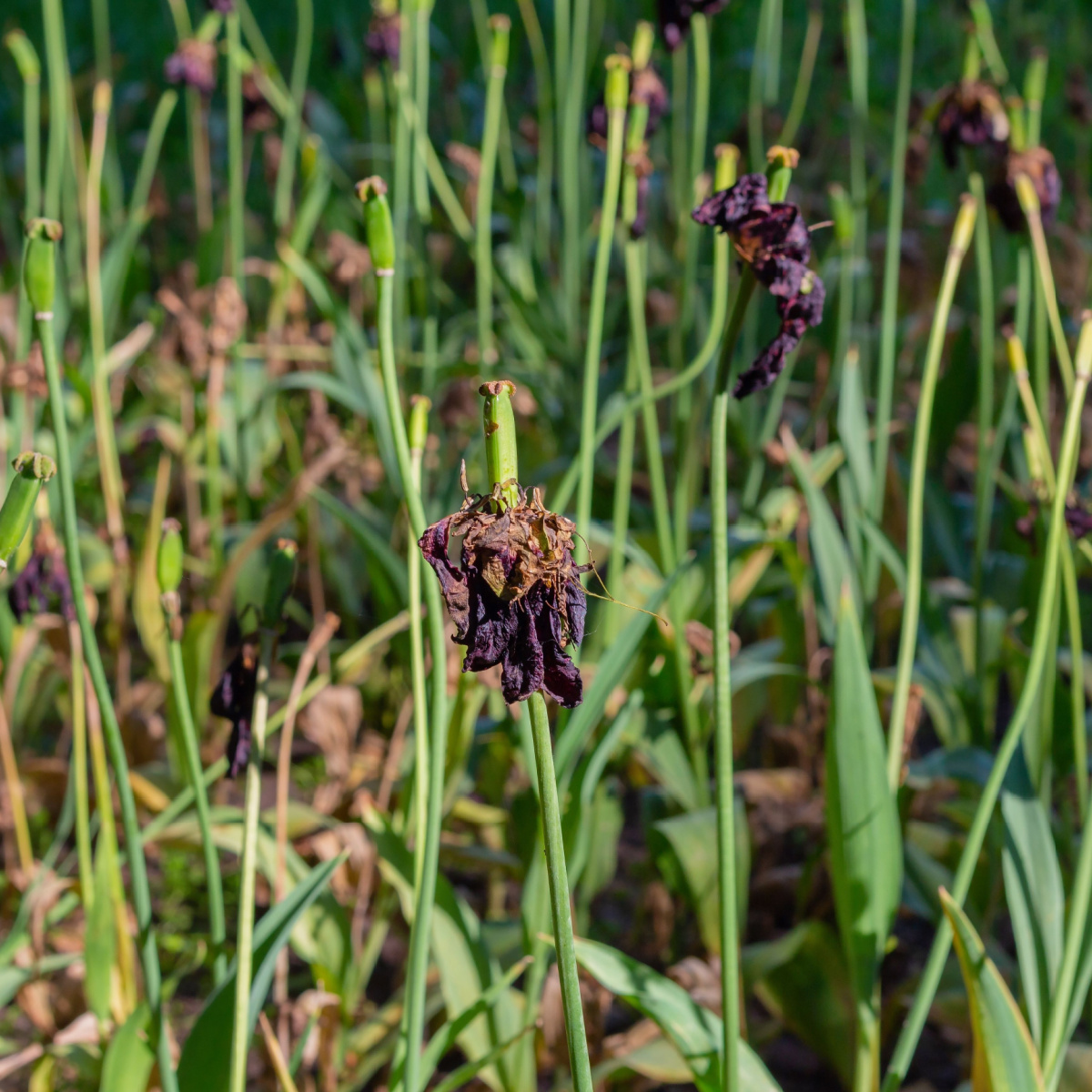
As tempting as it may be to cut back their foliage once the flowers fade, doing so too early can weaken the bulbs and reduce the number of flowers they produce the following year.
The green leaves are responsible for collecting sunlight and converting it into energy. That energy is stored in the bulb underground and used to produce next year's flowers.
For best results, allow the foliage to remain in place until it naturally turns yellow or brown and begins dying back.
So before putting away your garden tools for winter, take a little time to plant a few spring-flowering bulbs this October. You'll be glad you did when those first colorful blooms begin appearing next year!
The Simple Garden Life
Follow Our Facebook Page For Even More Great Tips! Simple Garden Life Facebook Page
Simple Garden Life is a website dedicated to keeping gardening fun, simple and enjoyable! We publish two new articles each week along with a new garden podcast episode every two weeks. This article may contain affiliate links.
More Fall-Planted Bulbs
- When And How To Plant Tulips In The Fall - And The Real Secret To Getting Huge Spring Blooms!
- How To Know When To Cut Your Tulips Back - And Why It's Later Than You Think!
- The 4 Best Bulbs To Plant In The Fall - And How & When To Plant Them!
- How To Harvest And Cure Garlic In The Summer - Saving Garlic For Year Round Use!