How To Kill Crabgrass In Late Summer & Fall – And Keep It From Coming Back!
Late summer and early fall are two of the best times to finally kill crabgrass off and begin eliminate it from your lawn. In fact, taking action now can make a huge difference in whether you have a healthy, thick lawn next year - or one that becomes overrun with crabgrass all over again.
Crabgrass is one of the most frustrating weeds for homeowners to battle. It grows incredibly fast, spreads aggressively and can take over large sections of a lawn in a single growing season. And once it becomes established, it can seem nearly impossible to stop.
What makes crabgrass especially troublesome is its ability to thrive when other grasses struggle. It handles intense summer heat and drought with ease, often remaining thick and green while the surrounding lawn turns brown and brittle. Even worse, it continues growing and spreading through late summer and into early fall.

And that is exactly why eliminating crabgrass in late summer and early fall is so important. If you allow those plants to remain and produce seed, they can scatter thousands of seeds across your lawn before winter arrives - setting the stage for an even bigger crabgrass problem next year!
How To Get Kill Crabgrass In Late Summer & Fall
Why Late Season Is The Prime Time To Eliminate Crabgrass
Crabgrass is an annual weed that germinates, grows, and produces seeds all in the same year. However, it’s what the plant leaves behind each year that is the real issue. Once established, each crabgrass plant produces tens of thousands of tiny seeds that fall into the soil.
All of those seeds then lie in wait to germinate the following season. It is exactly why just a couple of crabgrass weeds in your lawn this summer and fall can turn into an out-of-control mess next year. That, of course, is exactly why late summer and fall are such critical times to deal with it.
It’s somewhat ironic that although springtime is the time to put down a pre-emergent to stop crabgrass, by doing just a couple of simple chores in late summer and early fall – you can all but eliminate it from ever becoming a serious issue in your lawn. And here’s how:
2 Simple Secrets To Kill Crabgrass For Good!
In order to know how to take care of crabgrass in late summer, it’s important to first understand how the plant grows and spreads.
Crabgrass seeds germinate around mid-spring once the soil temperatures rise and stay around 55º Fahrenheit. Even if you didn’t have a crabgrass problem last year, the seeds can find their way to your lawn by the wind or passing animals.

Early on in the growing stage, tiny stems start to sprout up and branch out from a central location. As the stems grow larger, they also become heavier and end up falling to the ground.
Once on the soil, those stems establish roots along nodes, eventually producing secondary stems. This allows a single plant to spread out several feet in all directions. The low-lying stems stay close to the ground and are often passed over by mowers or trimmers.
They are also surprisingly tough and durable and aren’t affected by foot traffic like typical grasses are. In fact, they can even set seeds when they are less than an inch tall.
Once crabgrass plants are allowed to set seeds, the cycle continues. Thankfully, you can stop the cycle with just a little bit of work. The first and most effective of which is hand pulling these large running plants in late summer.
Hand Pulling
When you have just a small issue with crabgrass, one of the best methods for removal is hand pulling. And while hand-picking might be a bit labor intensive, it works fast and is free. And can it ever be helpful to do before your crabgrass produces its seeds!
Hand pulling weeds is only really effective if you tackle the task before the crabgrass begins to produce seed heads. Walk your lawn regularly, looking for and removing any new plants or starts.
Listen To Our Latest Podcast Below!

Crabgrass is very easy to recognize in yards, especially in the summer and early fall months. Thankfully, it’s also easy to remove as well by using a shovel or small weeding fork. Simply pop up the stems and roots from the ground. Avoid leaving any of the roots behind since they can quickly regenerate into new plants.
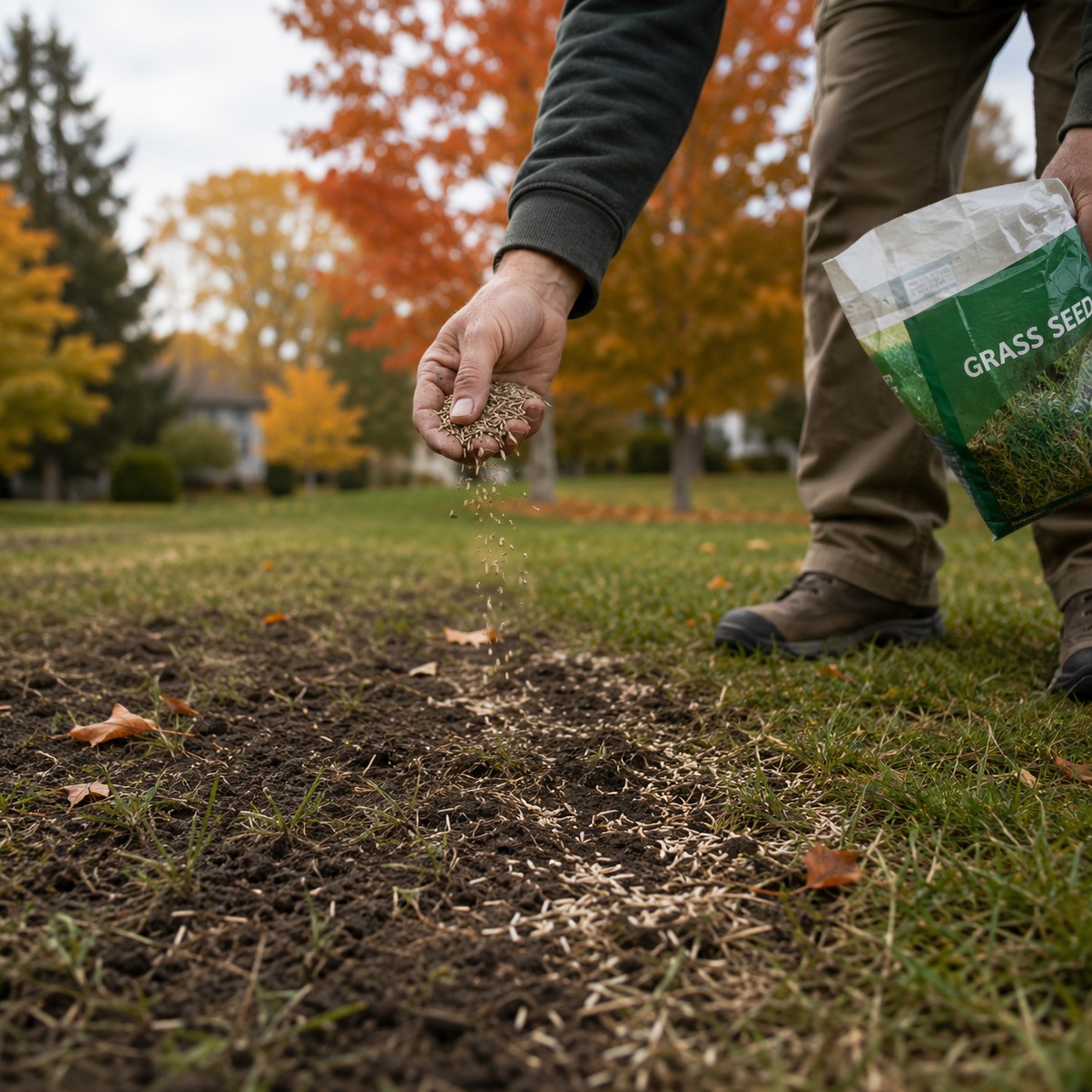
After you pull the weeds, spread out a handful of grass seed and cover it with straw. This will avoid leaving behind any bare soil – and is this tip ever huge since it helps to prevent any new weed seeds from finding empty soil and taking up residence.
Spot Treating To Kill Crabgrass In Late Summer
The second highly effective way to kill crabgrass is by spot treating. This simply involves spraying only the plant and killing it off while the grass remains safe and sound. And it can be done easily by using all natural sprays. Again, it’s important to do this before they start to produce seed heads.
For this, one of the best all natural was to kill off the plant is with horticultural or industrial vinegar. Horticultural vinegar is far stronger than store bought versions that have around 5% acidity. Instead, you can find the stronger industrial types with up to 40 to 50% acidity, which makes quick work of crabgrass. Affiliate Product Link: Calyptus 50% Pure Super Concentrated Vinegar
The key to success is to spray only the weed with the potent vinegar. Weeds like broad leaf, chickweed, and many other unwanted plants can be eliminated with spot treatments as well. When using vinegar, due to the acidity, always wear protective gear to cover eyes and hands.

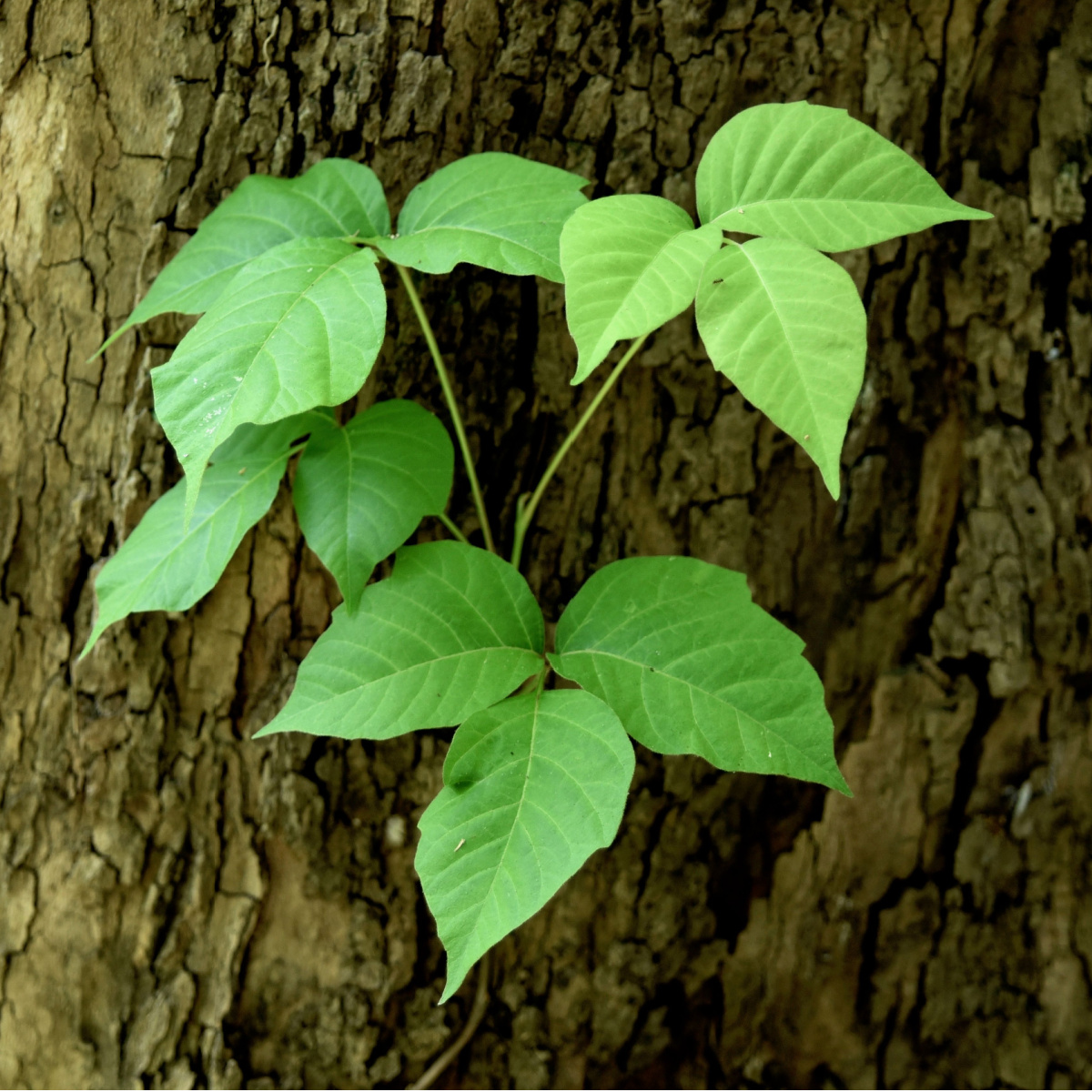
The thing to keep in mind about spot treating with natural post-emergent sprays is that while they are excellent at quickly killing weeds, they will also kill grasses as well. With this in mind, only use a small amount in a small hand sprayer or dropper for spot treatment only. Just as before, cover the bare areas with grass seed once the crabgrass dies off. See also: How To Kill Poison Ivy For Good – With Vinegar!
Mowing With A Purpose
Beyond the hand pulling and spot spraying, you can also help kill of and eliminate crabgrass by how you mow your lawn. While this tactic might not help with this year’s weeds, it will help prevent seeds from finding a place to germinate come next spring.
If your crabgrass has already started to develop seed heads, you want to remove as many of them as possible. You can do it by hand, but using a bag attachment on your lawn mower will help to save time and prevent weed seeds from spreading.
The bag gathers up the seed heads and allows you to dispose of them in your city’s local yard waste facility – or by burying deep in a hole. While grass clippings typically make for excellent organic mulch, don’t use these batches for your home or garden.
Since the seed heads are present in the clippings, using them will only help to “plant” the seeds wherever you use the mulch. Also, avoid adding the clippings to your home compost pile since most piles can’t heat up enough to kill seeds.
It’s also important not to mow your grass short throughout the spring and summer months. Aim for a lawn height of around 3 to 3.5 inches during the growing season. The taller lawn will be thicker and help to block sunlight from reaching the soil, which seeds need to germinate.
Simple Garden Life
Follow Our Facebook Page For Even More Great Tips! Simple Garden Life Facebook Page
Simple Garden Life is a website dedicated to keeping gardening fun, simple and enjoyable! We publish two new articles each week along with a new garden podcast episode every two weeks. This article may contain affiliate links.