
Looking for a simple way to compost cardboard and turn all of those boxes arriving at your home into great soil in your compost pile?
Believe it or not, composting is one of the easiest and most effective methods you can use to recycle cardboard. In fact, cardboard can be one of the most valuable ingredients you add to your pile when used correctly. It provides the perfect balance to nitrogen-rich materials and helps create the structure needed for a healthy, active compost system.
The key, however, is knowing which cardboard is safe to use, how to prepare it properly, and how to layer it into your pile so it breaks down efficiently. When done right, it will decompose into a rich, soil-like material that helps improve drainage, add organic matter, and feeds beneficial microbes in your garden!
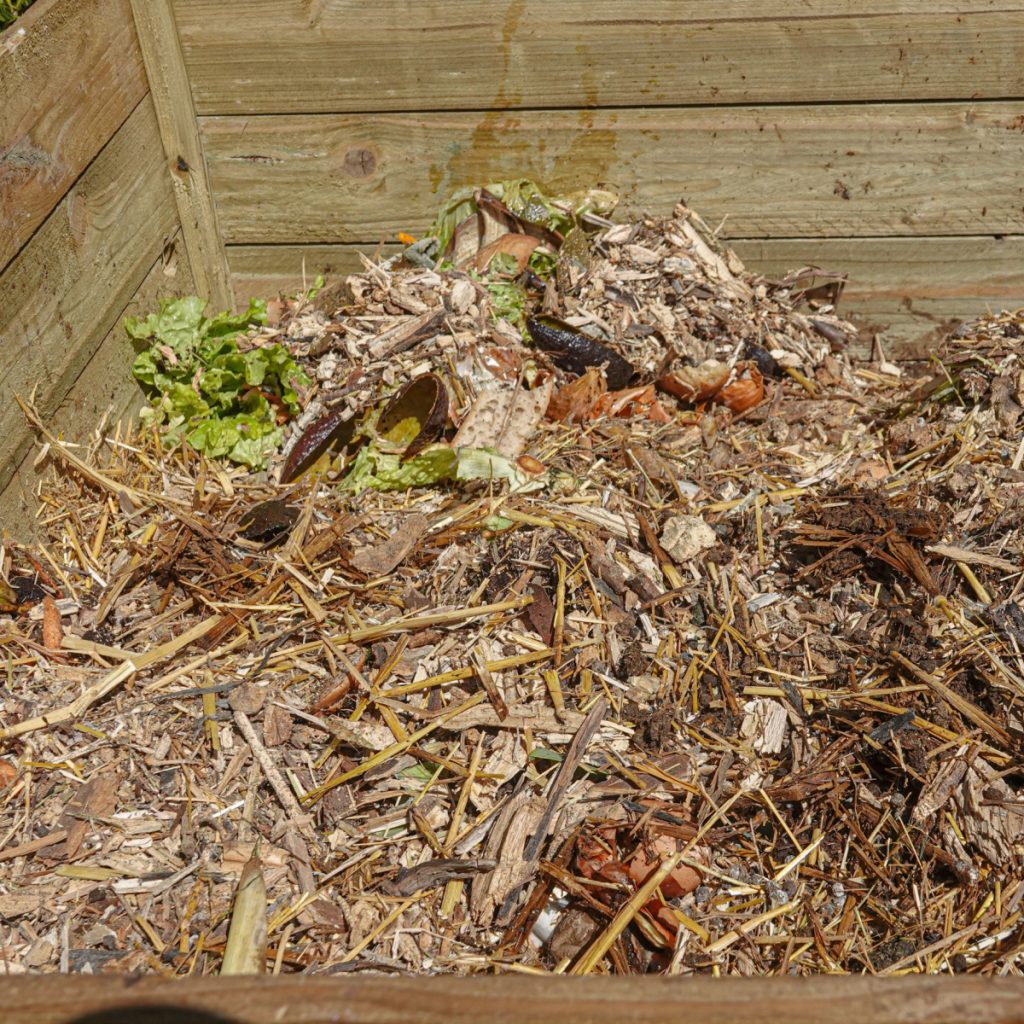
How To Compost Cardboard In Your Compost Pile
Why Cardboard Is So Valuable In A Compost Pile
Cardboard is considered a “brown” material in composting terms. Browns are carbon-rich ingredients that balance out “greens,” which are nitrogen-rich materials like kitchen scraps, grass clippings, and coffee grounds.
Without enough brown material, a compost pile can become too wet, start to smell, and break down slowly. Cardboard helps absorb excess moisture while creating air pockets that allow oxygen to flow through the pile. That oxygen is critical for the microbes that do the work of breaking everything down.
Another benefit of cardboard is its structure. Unlike fine materials that can compact easily, cardboard helps keep a pile loose and workable. This improves airflow and prevents the pile from becoming dense and soggy.
In many ways, it can act as both a moisture regulator and a structural support system inside your compost pile. And when it does, it helps create the ideal environment for decomposition to happen quickly and efficiently.
What Types Of Cardboard You Can Compost
Not all cardboard is created equal, and knowing what is safe to add to your pile is important for keeping your compost clean and healthy. Plain brown corrugated cardboard is the best option. This includes shipping boxes, moving boxes, and most packaging materials. These are usually made from natural fibers and break down easily over time.
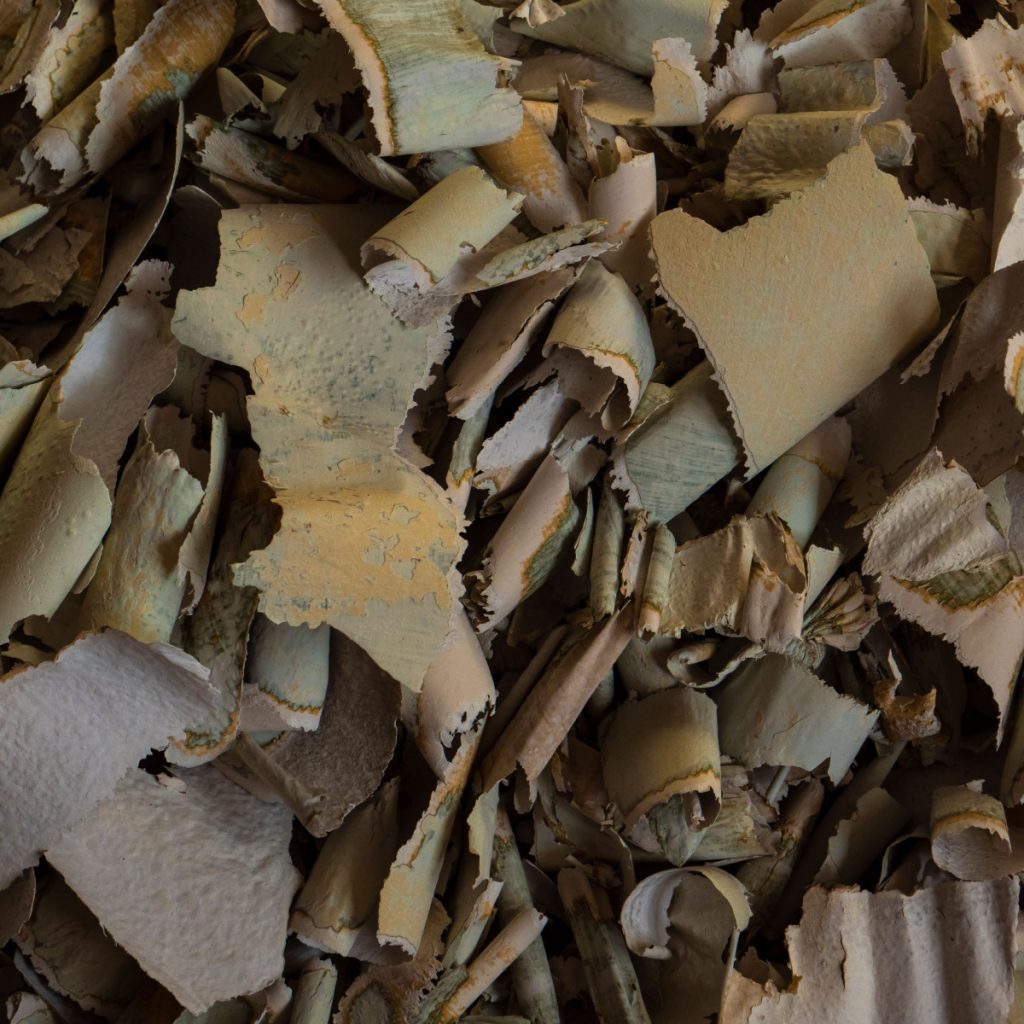
Cardboard that is free of coatings, heavy inks, or chemical treatments is always the safest choice. Most standard boxes used for deliveries fall into this category and are perfectly fine to compost. To make sure you are using safe materials, look for cardboard that has a dull, matte finish and feels natural rather than glossy or slick. The simpler it looks, the better it will be for your compost pile.
What Types To Avoid When You Compost Cardboard In Your Compost Pile
There are some types of cardboard that should never be added to your compost pile.
Glossy or wax-coated cardboard is one of the biggest ones to avoid. This type of coating prevents the material from breaking down properly and can introduce unwanted chemicals into your compost.
Pizza boxes can be tricky. If they are heavily soaked with grease or oil, it is best to leave those sections out. Small amounts of grease are usually fine, but overly saturated cardboard can attract pests and slow down decomposition.
Cardboard with heavy printing or colored inks should also be used with caution. While many inks today are soy-based and safer than older versions, heavily dyed cardboard is still best kept out of your compost pile when possible.
Boxes with plastic coatings, tape, or labels should always be cleaned before adding. Any non-paper materials need to be removed since they will not break down.
Check Out This Week’s Podcast Below!


How To Prepare Cardboard For Composting
One of the biggest mistakes people make when composting cardboard is tossing in large, whole pieces. While it might seem convenient, large sheets take a very long time to break down and can slow the entire composting process.
The best way to prepare cardboard is to break it down into smaller pieces. Cutting or tearing it into strips about one to two inches wide works well. Smaller pieces have more surface area, which allows microbes to break them down faster.
If you want to speed things up even more, soaking the cardboard in water before adding it to your pile can make a big difference. Wet cardboard is easier for microbes to attack and integrates better with the rest of your compost materials.
Another great trick is to run cardboard through a shredder if you have one available. Shredded cardboard is one of the fastest forms to break down and mixes easily throughout the pile. Taking a few extra minutes to properly prepare your cardboard will save weeks of time in the composting process!
How To Add Cardboard To Your Compost Pile
Adding cardboard to your compost pile is all about balance. Since it is a carbon-rich material, it needs to be paired with nitrogen-rich ingredients to decompose properly. A good rule of thumb is to aim for about three parts brown materials to one part green materials. This helps keep the pile active without becoming too wet or too dry.
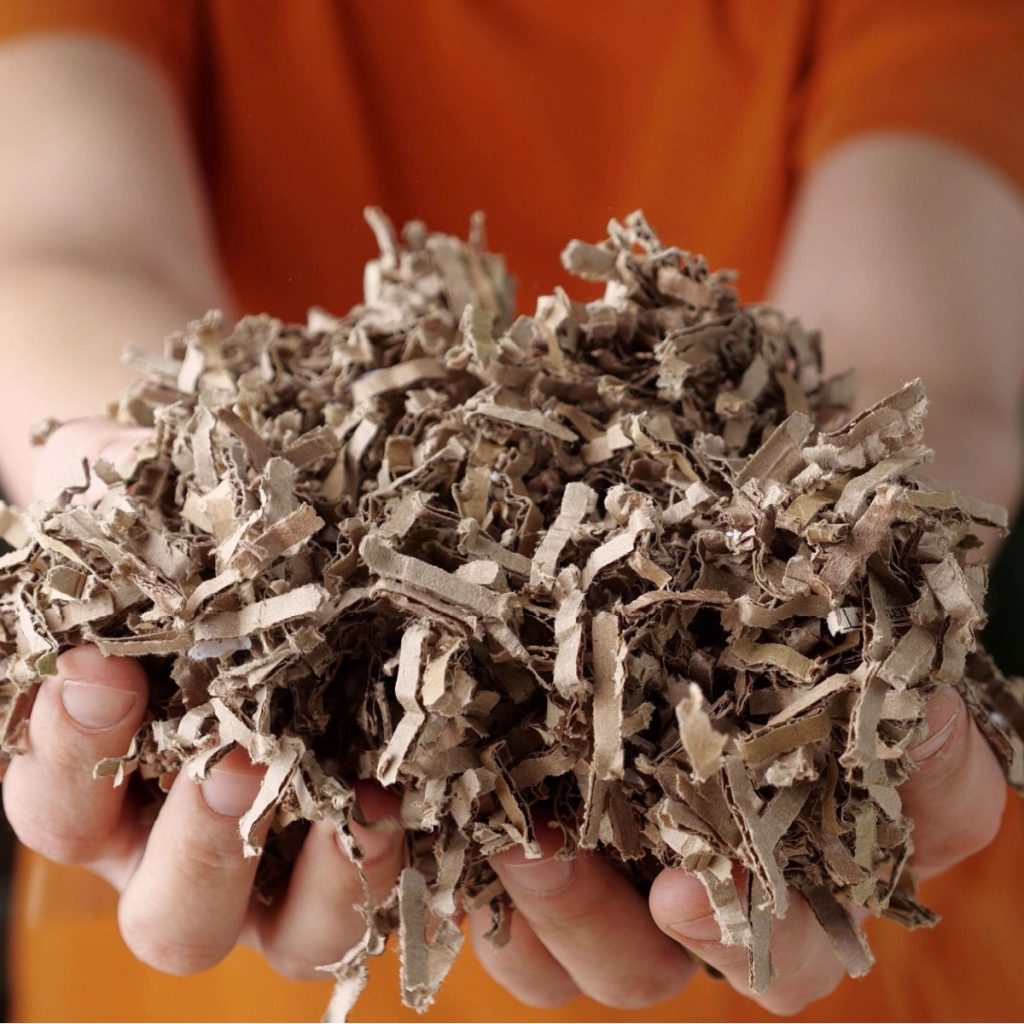
When adding cardboard, layer it between green materials like kitchen scraps or fresh grass clippings. This layering method helps keep the pile evenly balanced and encourages faster decomposition. Also make sure you use a compost starter or old compost to get bacteria and organisms introduced to your pile. Affiliate Link: Jobe’s Organics Fast Acting Granular Fertilizer Compost Starter
It is also important to mix the pile regularly. Turning your compost helps distribute the cardboard and ensures that all materials have access to oxygen. Without proper mixing, cardboard can clump together and slow the breakdown process.
Keeping the pile moist is another key factor. Cardboard absorbs water, so you may need to add extra moisture to maintain the consistency of a damp sponge. If the pile becomes too dry, decomposition will slow down significantly.
Common Mistakes To Avoid
One of the most common mistakes is adding too much cardboard at once. While it is beneficial, too much can overwhelm the pile and throw off the balance of carbon and nitrogen. See: How To Build The Perfect Compost Pile – 4 Simple Secrets To Make Compost Fast!
Another mistake is not breaking it down enough. Large chunks can remain in the pile for months without fully decomposing. Ignoring moisture levels is also a problem. Dry cardboard will sit in the pile without breaking down, while overly wet cardboard can create soggy conditions that lead to odors.
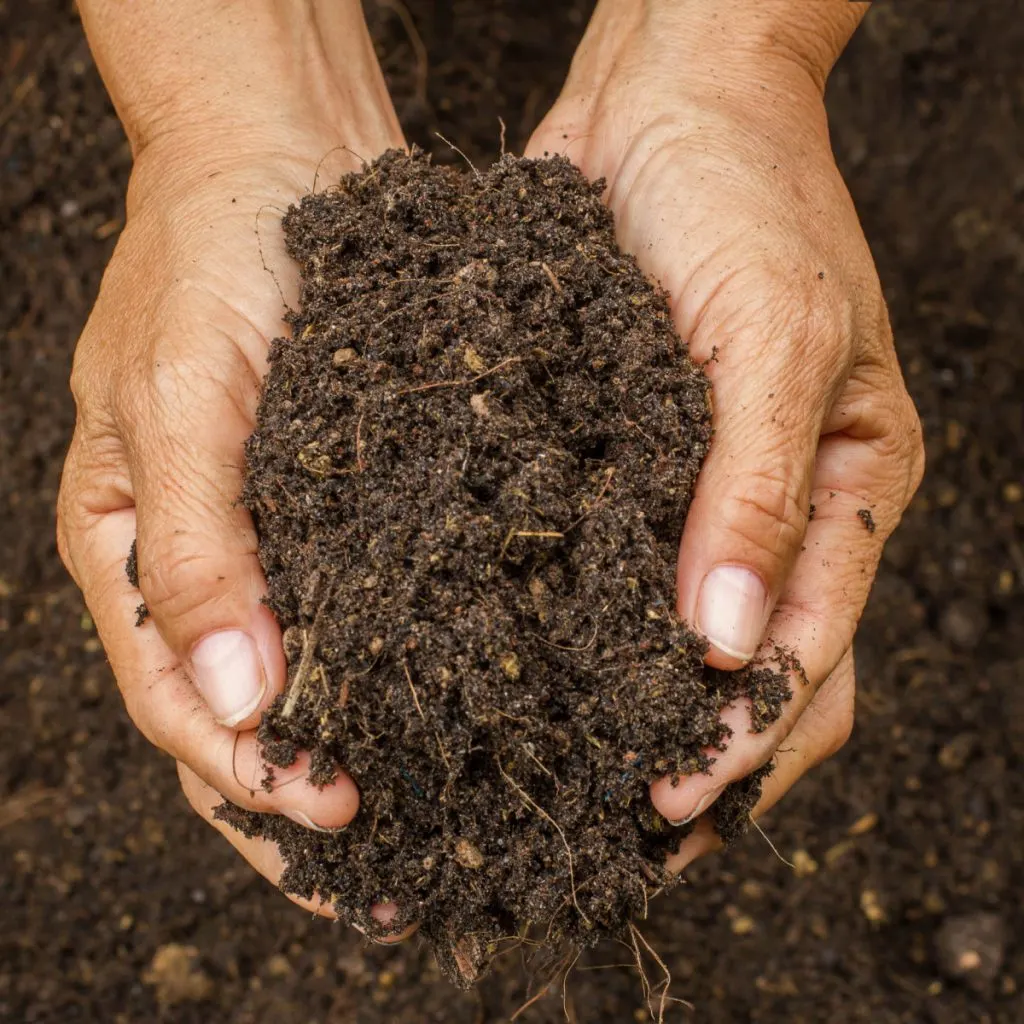
Finally, failing to remove tape, staples, and labels can leave behind materials that never decompose. Taking the time to clean your cardboard before adding it to the pile is always worth the effort.
How Long Does Cardboard Take To Break Down
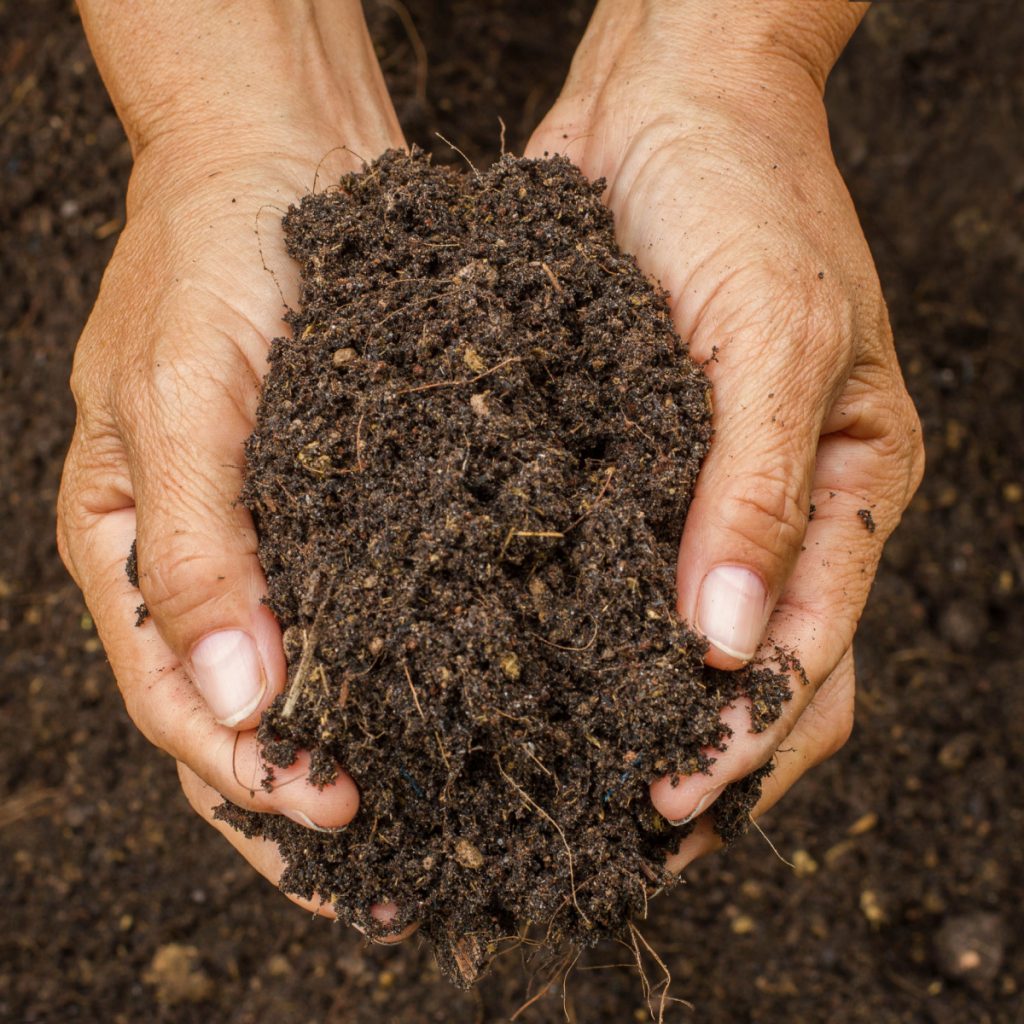
The time it takes for cardboard to break down depends on how well it is prepared and managed in the compost pile. Shredded and moist cardboard can break down in as little as a few weeks when combined with active composting practices. Larger pieces, on the other hand, can take several months or longer.
Turning the pile regularly, maintaining proper moisture, and keeping a good balance of materials will all help speed up the process. In the end, the more effort you put into preparing and maintaining your compost pile, the faster your cardboard will turn into usable compost.
One thing is for sure, composting cardboard is one of the simplest ways to improve your compost pile while reducing household waste. With just a little preparation and attention to detail, you can turn everyday boxes into a powerful ingredient for building better soil!
Simple Garden Life
Follow Our Facebook Page For Even More Great Tips! Simple Garden Life Facebook Page
Simple Garden Life is a website dedicated to keeping gardening fun, simple and enjoyable! We publish two new articles each week along with a new garden podcast episode every two weeks. This article may contain affiliate links.