
Want to know how early you can plant pansies to bring a little color to your spring landscape?
Pansies are one of the earliest annuals you can plant to bring some color to the landscape after a long winter. Their big, bright petals and wide range of colors – and their ability to handle cold temperatures make them a great choice for early spring planting.
Pansies are also extremely versatile. They perform well in flower beds, raised beds, containers, window boxes, and along walkways. Their compact growth habit makes them easy to fit into almost any garden space.
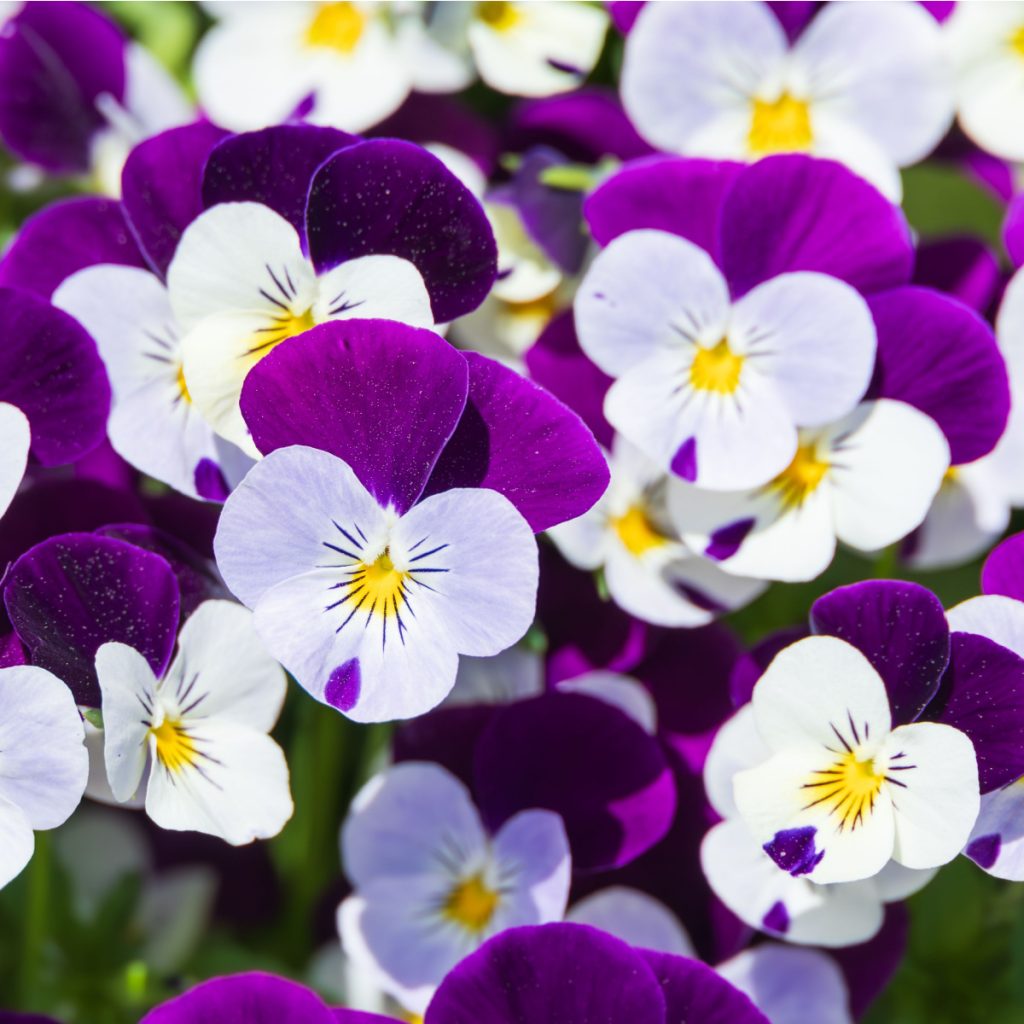
But for pansies – success all comes down to getting them planted at the right time. When you do, not only can you get early season flower power – but you can also get them to stick around and bloom for months.
When & How To Plant Pansies
Why Pansies Are Perfect For Early Spring
Pansies thrive in cool weather. And that sets them apart from many other annual flowers. Unlike warm-season plants that struggle in chilly soil and cold nights, pansies actually grow best when temperatures stay cool. They can handle light frosts and even brief freezes without damage, making them ideal for early spring gardens.
Cool temperatures help pansies produce more flowers and keep their blooms looking fresh longer. But once the weather turns hot, pansies often slow down or fade quickly. That is why getting them in the ground early is a must. Early planting allows them to grow, bloom, and establish strong roots before heat arrives. This results in fuller plants and brighter color for a longer period of time.
Timing is one of the most important factors when planting pansies. In many regions, pansies can be planted as soon as the soil can be worked and daytime temperatures stay consistently above freezing.
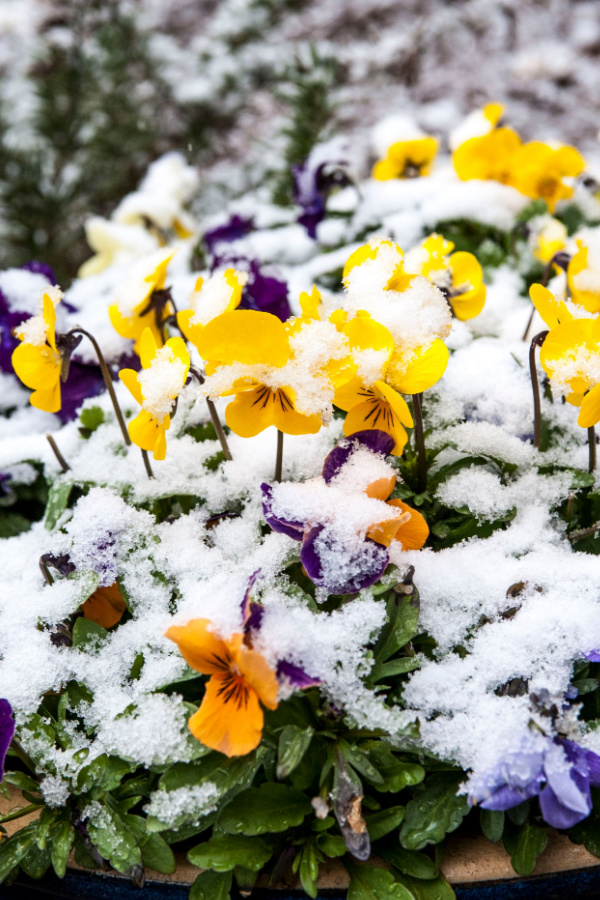
Ideal planting conditions occur when daytime temperatures range between 45 and 65 degrees Fahrenheit. Nighttime temperatures can dip lower without causing harm. In fact, cool nights will help pansies develop stronger stems and deeper color.
In warmer climates, it’s best to plant pansies in fall and have them bloom through winter and early spring. For cooler regions, planting can take place in late winter or very early spring. Waiting too long to plant can shorten the blooming season, as pansies will begin to decline once warmer temperatures set in.
Choosing The Right Location
Pansies grow best in areas that receive full sun to partial shade. In early spring, full sun is usually ideal because temperatures are still cool. As spring progresses and temperatures rise, a bit of afternoon shade will help extend bloom time and prevent stress.
Well-draining soil is essential. Pansies do not tolerate standing water or soggy soil, which can lead to root rot. Your soil needs to be loose to improve drainage and fertility.
Pansies benefit from nutrient-rich soil, but overly rich soil can lead to excessive leaf growth and fewer flowers. Balanced soil is always best. Adding compost or well-rotted organic matter improves soil structure and provides slow-release nutrients.
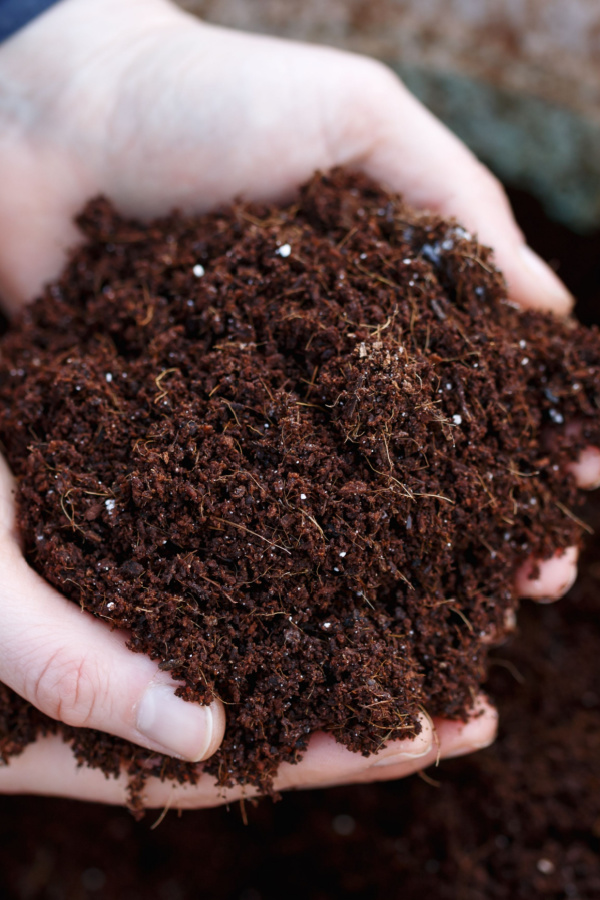
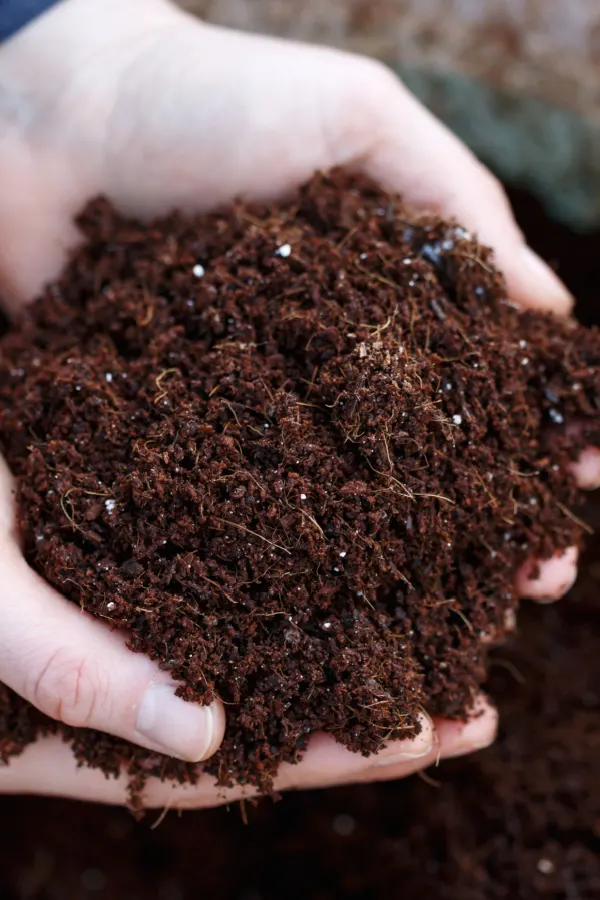
If planting in containers, using a high-quality potting mix designed for flowers helps ensure proper drainage and root health. Garden soil should not be used in containers, as it can compact and hold too much moisture. Affiliate Link: FoxFarm Ocean Forest Potting Soil, 1.5cu ft – Light
Air circulation is another important factor. Plant your pansies with enough space between them to help reduce moisture buildup on leaves. This will lower the risk of disease. Good airflow also encourages stronger, healthier growth. Also, make sure your containers always have drainage holes to allow excess water to escape.
How to Plant Pansies Correctly
When planting pansies, the depth and spacing matter. Be sure not to plant transplants deep, as it can easily cause root rot. Space plants about six to eight inches apart allows them room to grow and fill in naturally. Though they may look small at planting time, pansies spread as they mature quite a bit.
After planting, gently firm the soil around the roots to remove air pockets. Water thoroughly after planting to help settle the soil and reduce transplant shock. Consistent moisture during the first few weeks helps plants establish quickly.


Watering & Fertilizing
Pansies prefer evenly moist soil, especially during early growth. Newly planted pansies should be watered regularly until roots are established. Once settled, they are fairly tolerant of short dry periods but perform best with consistent moisture.
Mulching around pansies can help regulate soil temperature and retain moisture. A light layer of mulch also helps protect roots during unexpected cold snaps in early spring.
Overwatering is more harmful than underwatering. Soil should never stay soggy, particularly in cool weather. Allowing the top layer of soil to dry slightly between waterings helps prevent root problems. Containers may need more frequent watering than garden beds, especially during sunny or windy days.
Pansies benefit from light feeding, but too much fertilizer will actually reduce flowering. A balanced, slow-release fertilizer applied at planting time provides steady nutrition without overwhelming the plants.
Liquid fertilizer can be used every few weeks to encourage continuous blooming, especially in containers. Choosing a fertilizer with equal or slightly higher phosphorus supports flower production. For best results, fertilize at half strength to keep from giving the plant too many nutrients at once. Affiliate Link: Farmer’s Secret Fruit & Bloom Booster Fertilizer (16oz) – Super Concentrated.
Deadheading
With pansies, removing old blooms is a must to make way for new ones. Deadheading prevents the plant from putting energy into seed production and encourages new buds to form. See our article: How To Keep Pansies Blooming – 3 Secrets To Keep Your Pansies Flowering Longer!

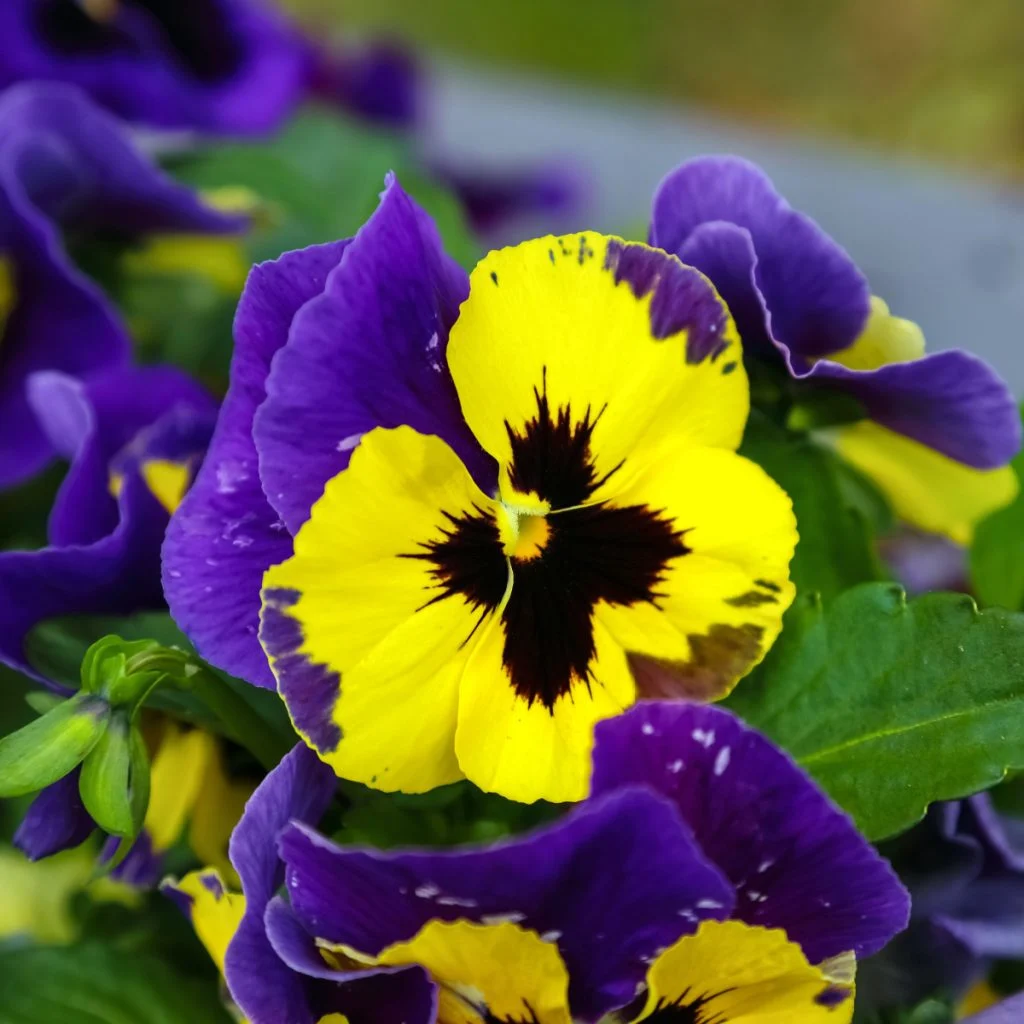
Regularly pinching off faded flowers also helps keep plants tidy and compact. Check plants weekly and remove any fading flowers to keep new buds coming on.
Pansies are known for their cold hardiness, but extreme weather can still cause stress. Light frosts usually do not harm pansies, and plants often recover quickly once temperatures rise. In the event of a hard freeze, cover pansies with frost cloth or lightweight fabric.
With proper care, most can expect their pansies to bloom for a full two to three months before the hot summer heat finally takes it’s toll on this cool loving annual!
Simple Garden Life
Follow Our Facebook Page For Even More Great Tips! Simple Garden Life Facebook Page
Simple Garden Life is a website dedicated to keeping gardening fun, simple and enjoyable! We publish two new articles each week along with a new garden podcast episode every two weeks. This article may contain affiliate links.