
If you are looking to add some interesting and beautiful perennial flowers to your flowerbeds this year – then growing balloon flowers is a must!
Balloon flower is a plant that almost immediately catches the attention of fellow gardeners and plant lovers – even as it just buds. Named for its unusual flower buds that swell like tiny balloons before opening, the perennial adds charm, texture, and a bit of whimsy to gardens of all styles.
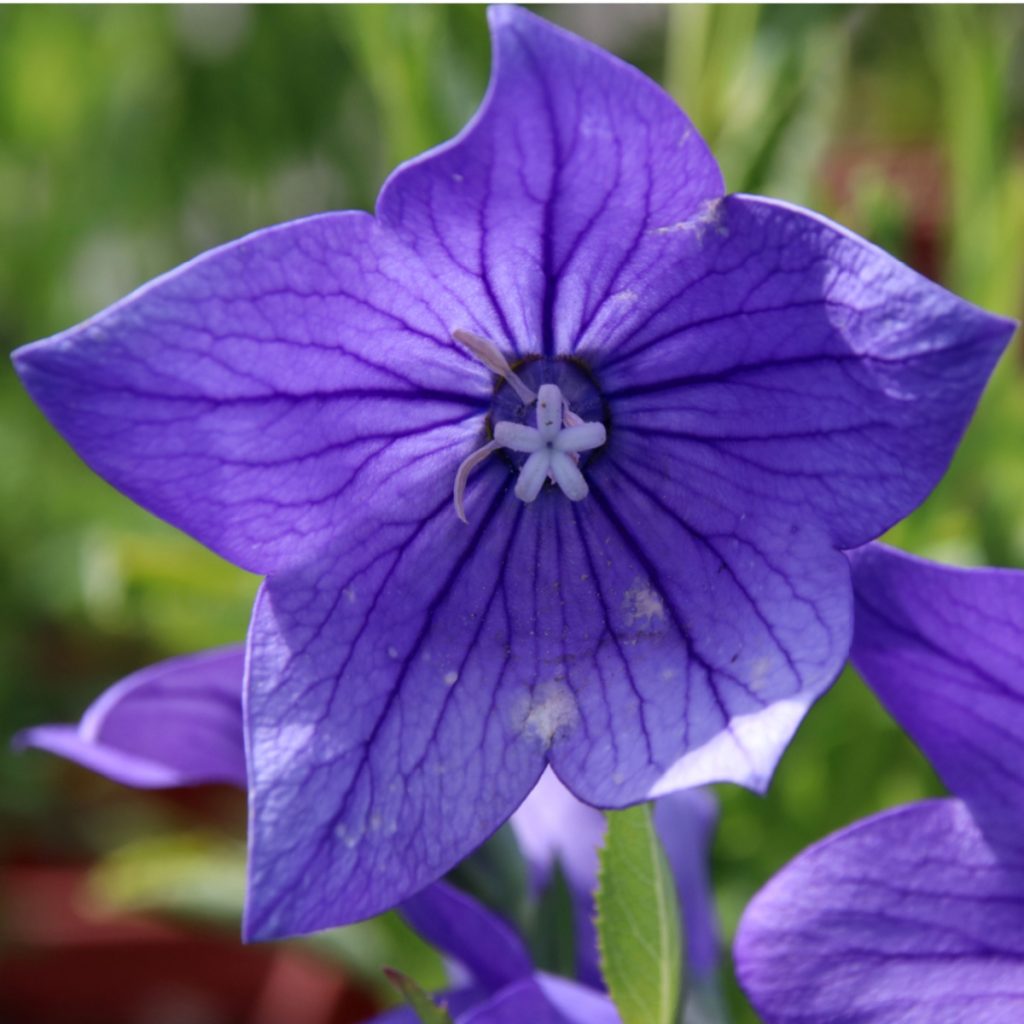
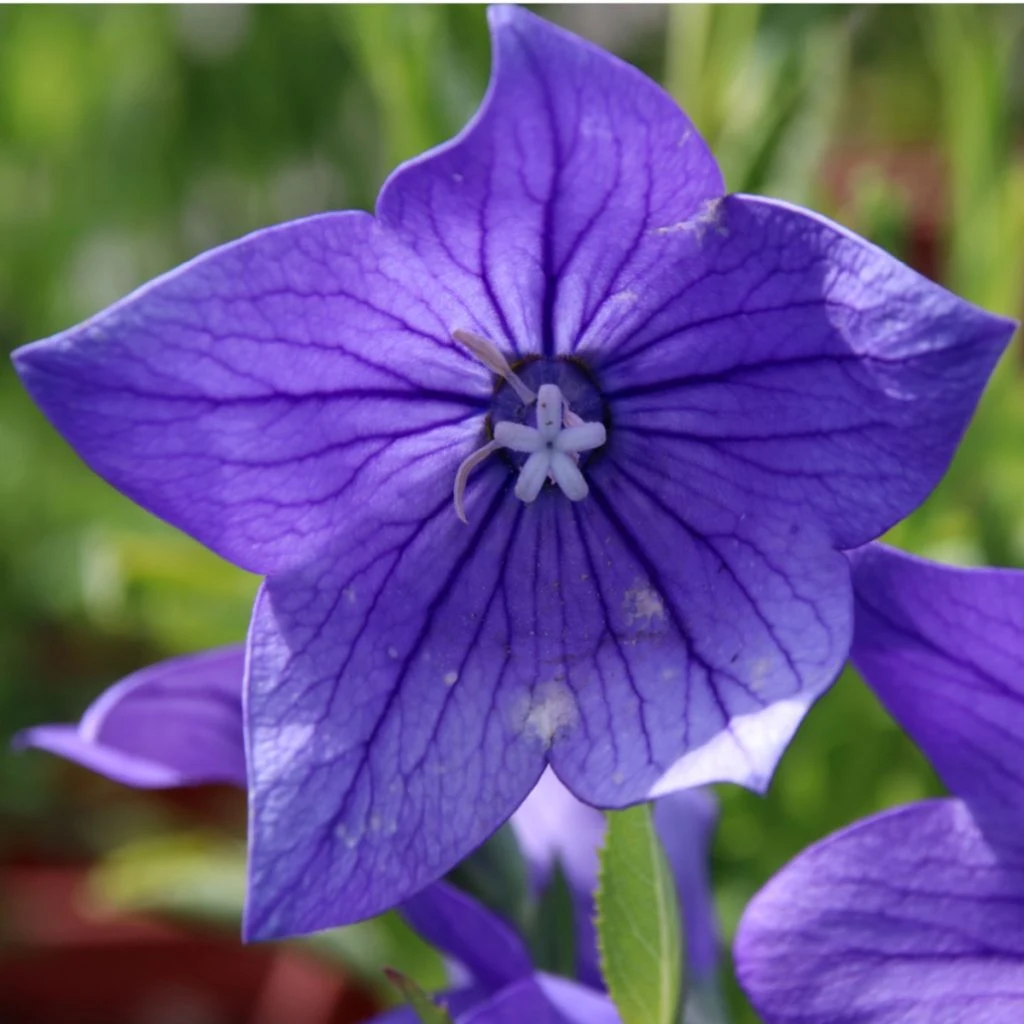
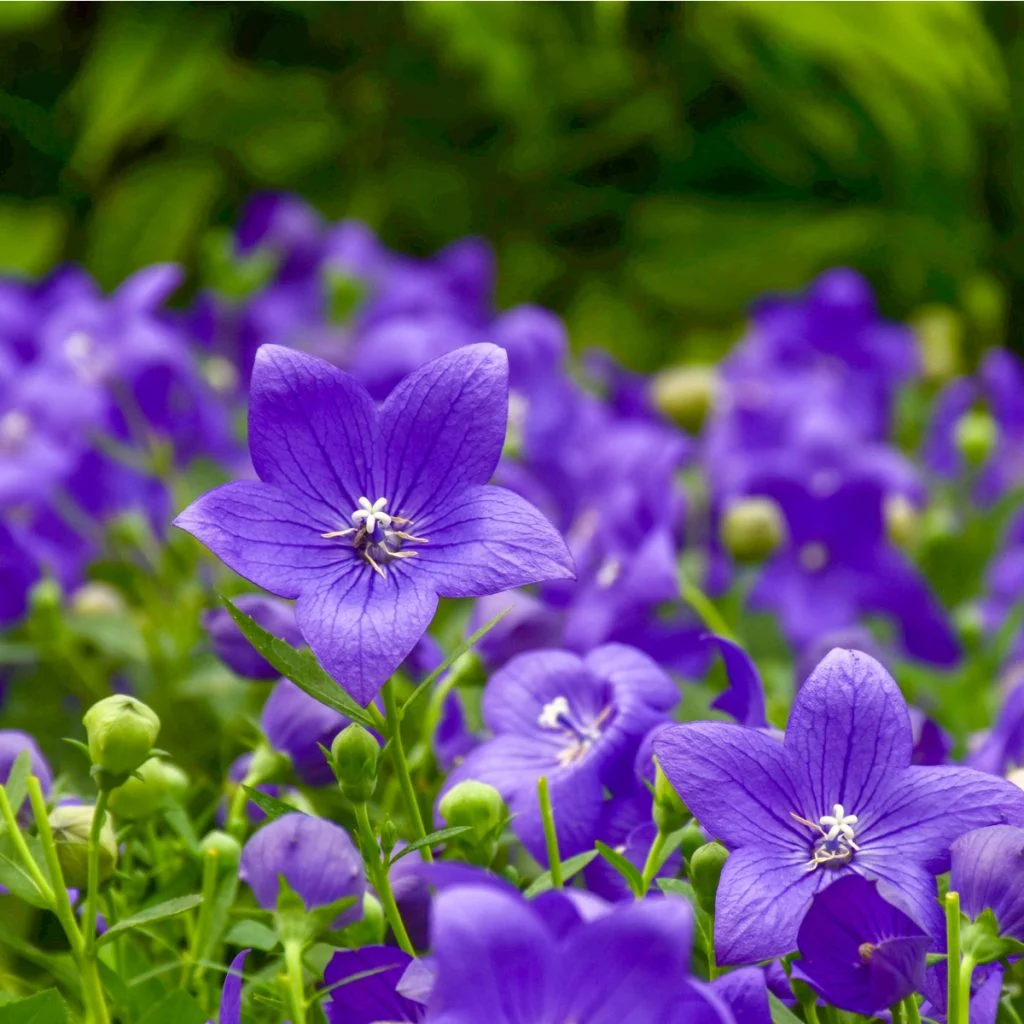
The even better news is that once those tiny balloons open up, its star-shaped flowers appear in amazingly gorgeous shades of blue, lavender, pink, or white. And do the flowers ever create a long-lasting display of color. One that as a perennial – returns year after year!

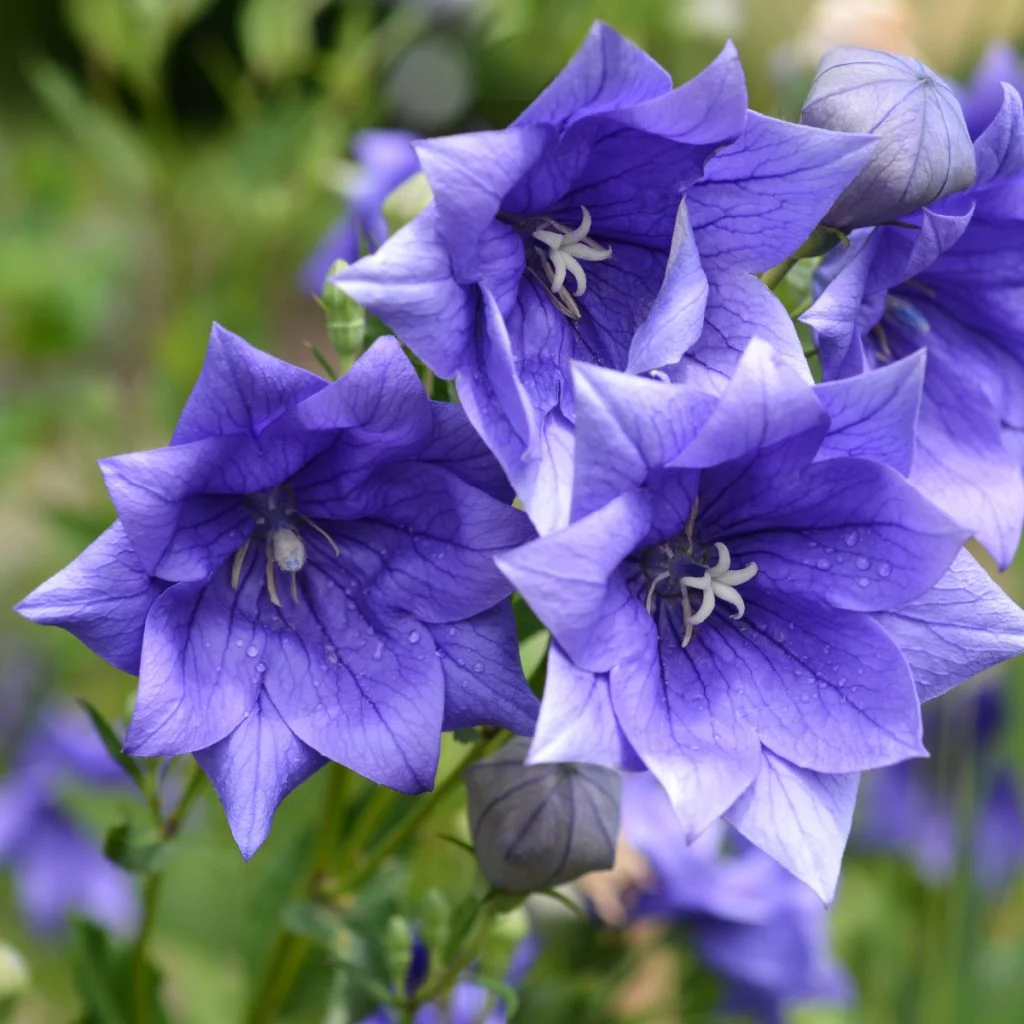
Beyond its great looks, balloon flower is also known for being quite hardy and easy to grow once established. It fits beautifully into cottage gardens, mixed borders and traditional flowerbeds. It can even perform well in containers as well. All the more reason this flower deserves a spot in your flowerbeds this year!
Why You Need To Grow Balloon Flowers
The Unique Beauty Of Balloon Flowers
Balloon flower is a member of the bellflower family. It’s actually a herbaceous perennial that is native to East Asia. The plant forms upright clumps of leafy stems that grow steadily through spring. It then begins producing its signature buds in early to mid-summer.
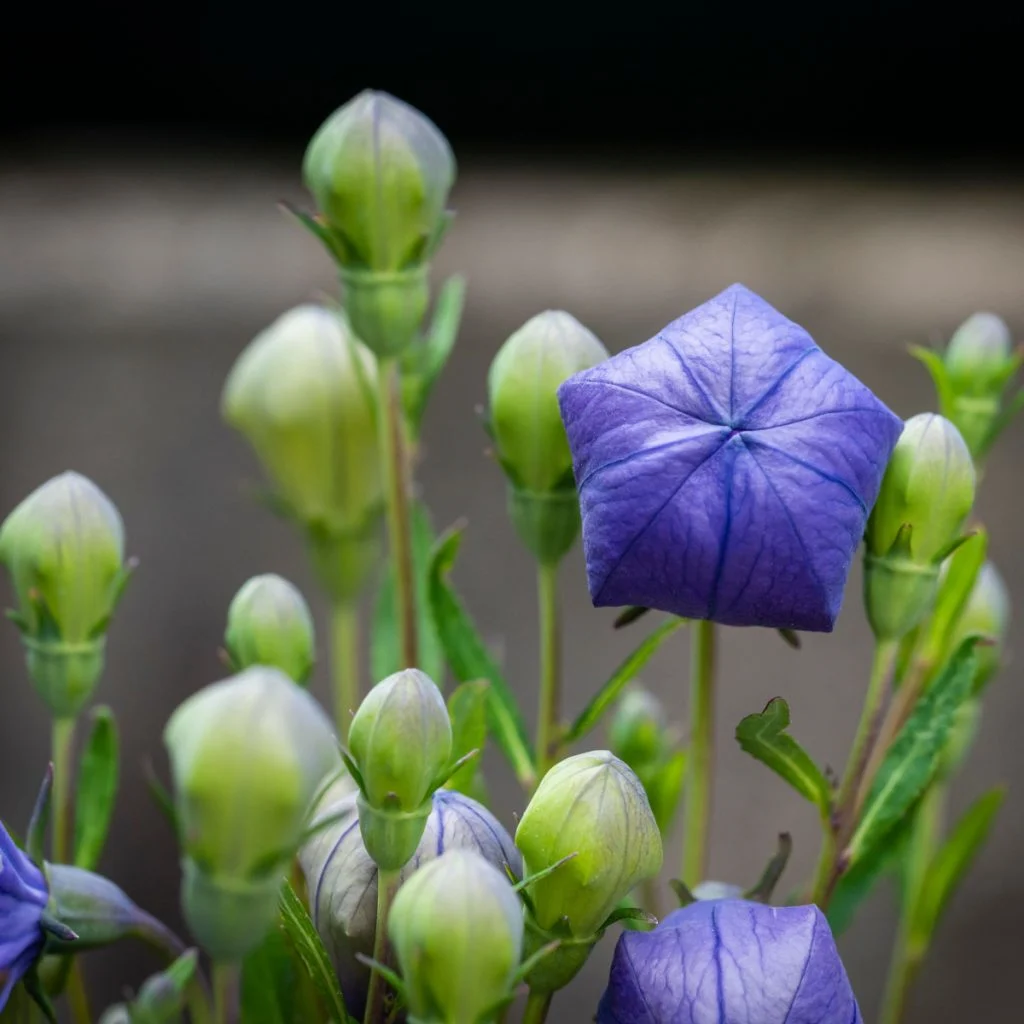
The buds are the feature that gives balloon flower its name. Before opening, each bud inflates into a round, puffed shape that looks remarkably like a tiny balloon. As the flower matures, the balloon slowly splits open into a five-pointed star, revealing a delicate but very durable bloom. The transformation from balloon to flower is a big part of the plant’s appeal.
Mature plants typically reach 18 to 24 inches tall, though dwarf varieties grow quite smaller. The foliage is bluish-green and slightly glossy. Once established, balloon flower is a long-lived perennial that can remain in the same spot for many years with minimal maintenance.

In addition to their visual appeal, balloon flowers are attractive to pollinators. Bees are especially drawn to the open, star-shaped blooms, which provide easy access to nectar. While the plant is not typically bothered by deer or rabbits, pollinating insects frequently visit it during peak bloom.
How Balloon Flower Grows
In the spring, balloon flower shoots emerge relatively late compared to some other perennials. In fact, it can sometimes lead gardeners to think the plant did not survive winter. Patience is important, as balloon flower often waits for soil temperatures to warm before showing growth.
As the plant develops, sturdy stems rise from the crown, lined with pointed, oval leaves. By early summer, flower buds begin to form at the tips of the stems. These buds gradually inflate over a period of days, eventually reaching their balloon-like shape.
Once fully formed, the buds open slowly to reveal the flower. The entire process from bud to bloom really makes this perennial seem like it is flowering for a month or more!
Balloon flower typically blooms from early summer into mid-summer. Some varieties will even continue to bloom into late summer if the spent flowers are removed. The blooms are long-lasting and hold their shape well, even in warm weather.
Check out our Simple Garden Podcast below!


Ideal Growing Conditions
Balloon flower grows and performs best when planted in a location that receives full sun to partial shade. In cooler climates, full sun encourages strong growth and abundant flowering. In warmer regions, light afternoon shade can help prevent stress and keep flowers looking fresh during hot summer days.
Well-draining soil is essential for successful growth. Balloon flower does not tolerate soggy or waterlogged soil, especially during winter. Loose, fertile soil enriched with compost provides the ideal environment for healthy root development.
Once established, the plant is moderately drought tolerant. With that said, consistent moisture produces the best blooms. Because balloon flower develops a deep taproot, it prefers to remain undisturbed once planted. Transplanting mature plants can be difficult and should be avoided when possible.
Planting Balloon Flower
You can grow balloon flower from seed, nursery transplants, or divisions. Seeds and transplants are the most common options. You can start seeds indoors several weeks before the last frost or sow directly in the garden once temperatures warm. Germination can take time, so patience is important. Affiliate Link: 1400 Balloon Flower Seeds- Toraji – Chinese Bell Flower Seeds
When planting transplants, spacing is important to allow for proper air circulation and growth. Plants should be spaced approximately 12 to 18 inches apart, depending on the variety. A light layer of mulch can be applied to retain moisture and suppress weeds, but it should be kept away from the crown of the plant to prevent rot.
Ongoing Care
Growing balloon flower is a relatively low-maintenance process once the plant is established. Regular watering during the first growing season helps the plant develop a strong root system. Afterward, watering is only necessary during extended dry periods.
Fertilizing is generally minimal. A balanced, slow-release fertilizer applied in spring is usually sufficient. Excessive fertilization can lead to leafy growth at the expense of flowers, so less is better. Compost worked into the soil each spring can also provide adequate nutrients.
Deadheading spent blooms will encourage additional flowering and keeps the plant looking neat. If seed production is not desired, removing flowers after they fade helps redirect energy back into growth.
Winter Care
Balloon flower is cold hardy in many regions and survives winter with little protection. As the growing season ends, the plant naturally dies back to the ground. You can cut back the stems in late fall or leave them in place until early spring.

A light layer of mulch applied after the ground freezes can help protect the roots in colder climates. However, you should avoid heavy mulching as it can trap excess moisture around the crown. In spring, pull back the mulch to allow new growth to emerge easily.
With proper care, balloon flower can live for many years in the same location. Because it dislikes moving, dividing the plant is not a good idea. Its long lifespan and dependable return make it an excellent choice for permanent garden beds.
Balloon flower truly offers a combination of uniqueness, reliability, and beauty that few perennials can match. From its playful balloon-shaped buds to its elegant star-like blooms, it adds interest at every stage of growth. It’s long bloom time, pollinator appeal, and low maintenance needs make it a great perennial for sure!
For more information on great perennials to grow, be sure to check out our article: The Best Drought Resistant Perennials To Plant – Plant So You Never Have To Water!
Simple Garden Life
Follow Our Facebook Page For Even More Great Tips! Simple Garden Life Facebook Page
Simple Garden Life is a website dedicated to keeping gardening fun, simple and enjoyable! We publish two new articles each week along with a new garden podcast episode every two weeks. This article may contain affiliate links.