
If you are wanting to plant and harvest a few more healthy greens this year – even when the summer turns hot – then you need to try your hand at growing Malabar spinach!
Malabar spinach is one of the best greens to grow when summer heat arrives. While traditional spinach wilts, bolts, or turns bitter as the temperatures rise, Malabar spinach thrives. It loves heat, grows rapidly, and produces thick, glossy leaves all summer long. Even better, it grows as a climbing vine, making it perfect for raised beds, small gardens, and vertical growing spaces.
Although it’s called spinach, Malabar spinach is not a true spinach. Instead of growing low and compact, it sends out long, vigorous vines. Ones that can climb several feet in a single season. So much so that with the right support and care, Malabar spinach can become one of the most productive and reliable leafy greens all season long.

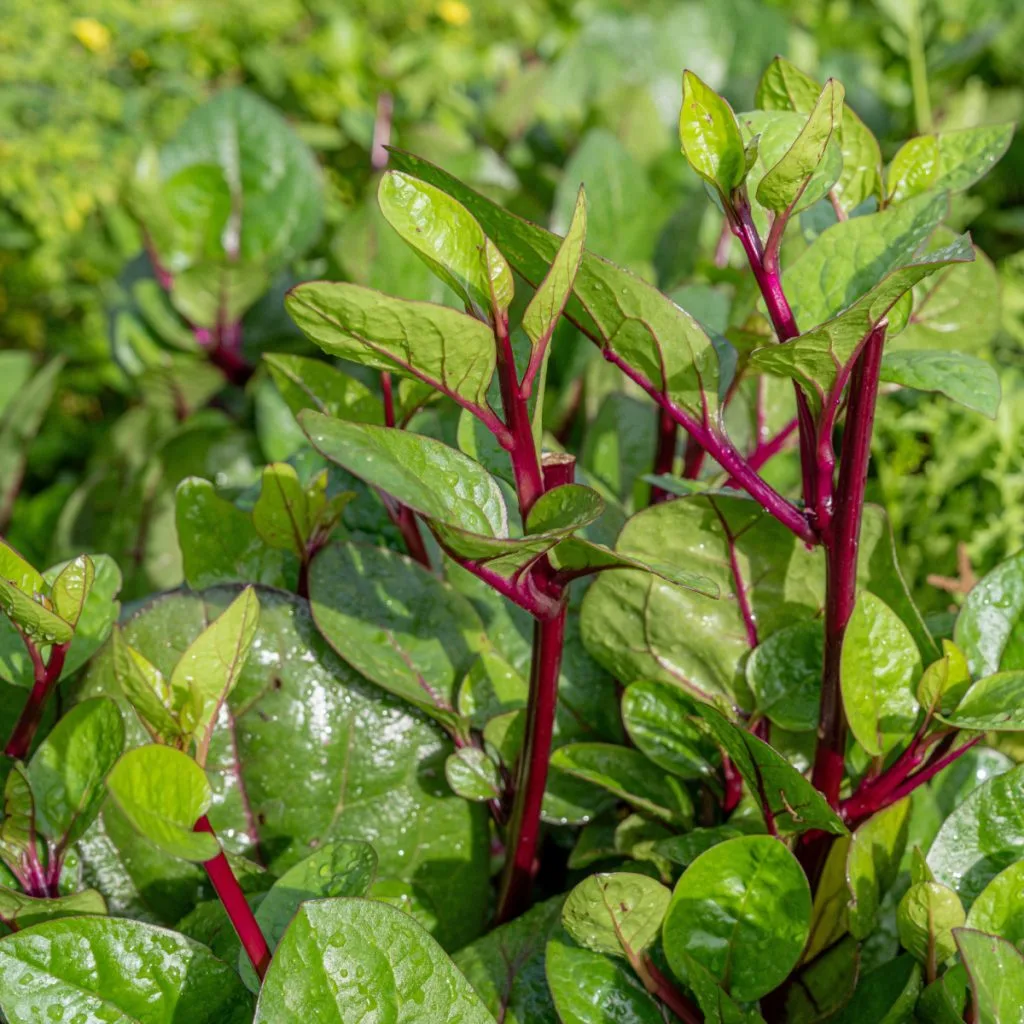
How To Grow Malabar Spinach
What Is Malabar Spinach?
Malabar spinach is a warm-season leafy green grown for its edible leaves and tender stems. It’s commonly found in tropical and subtropical regions. But it grows great anywhere in the summer. One thing is for sure, those who grow it love its ability to grow in high heat and humidity.
The plant has thick, succulent leaves that are mild in flavor and slightly crisp when fresh. When cooked, the leaves soften and develop a texture similar to traditional spinach, making them great for stir-fries, soups, sautés, and stews.
Because Malabar spinach grows vertically instead of spreading outward, it allows gardeners to harvest a large amount of food from a small footprint.
Why Malabar Is Perfect For Summer Heat
Most leafy greens struggle once summer arrives. Heat causes them to bolt, turn bitter, or stop producing altogether. Malabar spinach does the opposite. It grows faster as temperatures rise and continues producing leaves even during the hottest months.
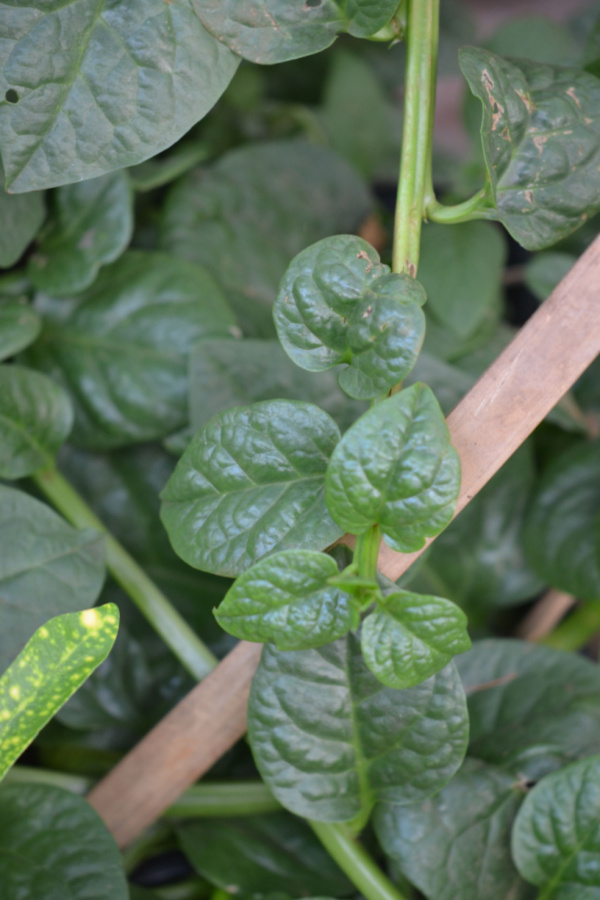
This makes it an excellent replacement for traditional spinach during summer. Gardeners who want fresh greens in July and August often turn to Malabar spinach because it stays tender, productive, and flavorful right when other greens begin to fail.
Its climbing habit also helps keep leaves clean and off the ground, reducing disease and making harvesting easier.
When & How To Plant
Malabar spinach should only be planted after the danger of frost has passed. It is a true heat-loving plant and will not grow well in cold soil. Soil temperatures should be consistently warm before planting.
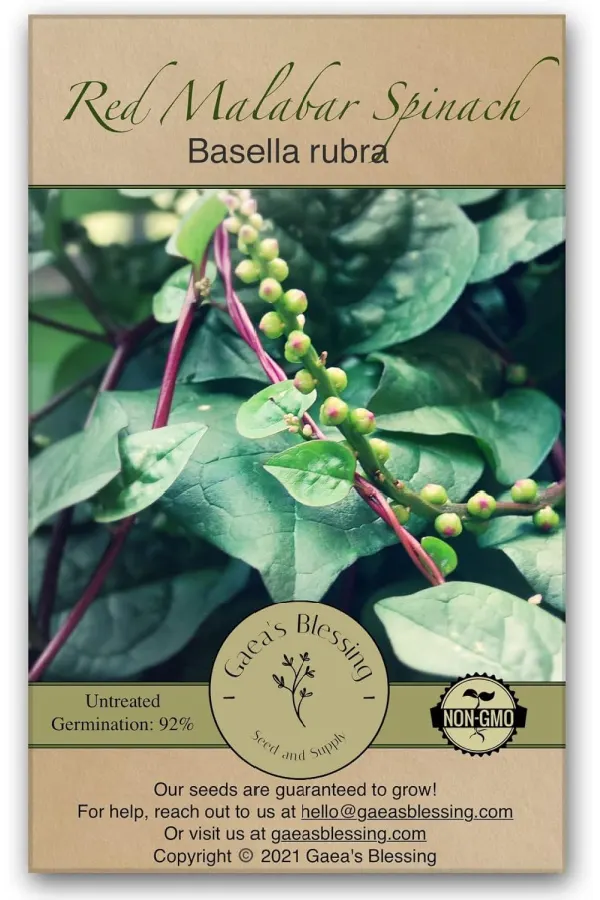
It’s best to sow seed directly into the garden once nighttime temperatures stay above 50 degrees Fahrenheit. Direct sowing works best as plants don’t suffer from transplant shock. Affiliate Link: Gaea’s Blessing Seeds – Red Malabar Spinach Seeds – Non-GMO Seeds
Once temperatures rise, Malabar spinach grows quickly and can begin producing harvestable leaves within a few weeks.
Full sun is best for Malabar spinach. At least six to eight hours of sunlight per day helps produce strong vines and healthy leaves. The plant tolerates partial shade, but growth will be slower and leaf production reduced.

How to Plant Malabar Spinach
Because Malabar spinach grows vertically, you need to plant it where a trellis, fence, arch, or other support can help it grow upward. Growing it near raised beds, garden edges, or along fences works especially well.
Like most greens, Malabar spinach grows best in rich, well-draining soil. Loose soil allows roots to expand quickly and access moisture during hot weather. Adding compost or aged organic matter will really help to improve both drainage and fertility.
It’s best to plant seeds about half an inch deep and spaced several inches apart. Once seedlings emerge, they can be thinned to allow for stronger plants and better airflow.
Providing support early is important. As vines grow, they naturally wrap and climb, but without support they can sprawl along the ground. Trellises, cattle panels, garden netting, or sturdy stakes all work well. As vines grow, gently guide them onto supports to help shape the plant and prevent tangling.


Watering & Fertilizing
Consistent moisture is key for Malabar spinach, especially during hot weather. The plant prefers evenly moist soil but does not tolerate standing water. During periods of high heat, watering deeply helps keep leaves tender and prevents stress.
This also where a good layer of mulch will really help. Mulching around the base of plants helps retain moisture and regulate soil temperature. Remember that containers and raised beds will need more frequent watering. That is especially true during extended dry spells.
Malabar spinach responds well to regular feeding. A balanced fertilizer or compost worked into the soil at planting time will give it a strong start. During the growing season, give it a light feeding every few weeks helps maintain steady growth. Too much fertilizer can lead to excessive vine growth with fewer leaves, so moderation is important.
Organic options such as compost tea, worm casting tea, or diluted liquid fertilizers work really well for this. They give a low and slow feeding that Malabar loves. Affiliate Link: 100% Pure Organic Mineral-Dense Worm Castings Fertilizer, 30lbs
Harvesting Malabar Spinach
Harvesting encourages more growth. You can pick the leaves once plants are well established and vines begin climbing. Younger leaves are more tender and best for fresh eating.
Harvesting the tips of vines helps promote branching, which leads to more leaf production. Regular harvesting keeps plants productive and prevents vines from becoming too woody. Both its leaves and tender stems are edible.
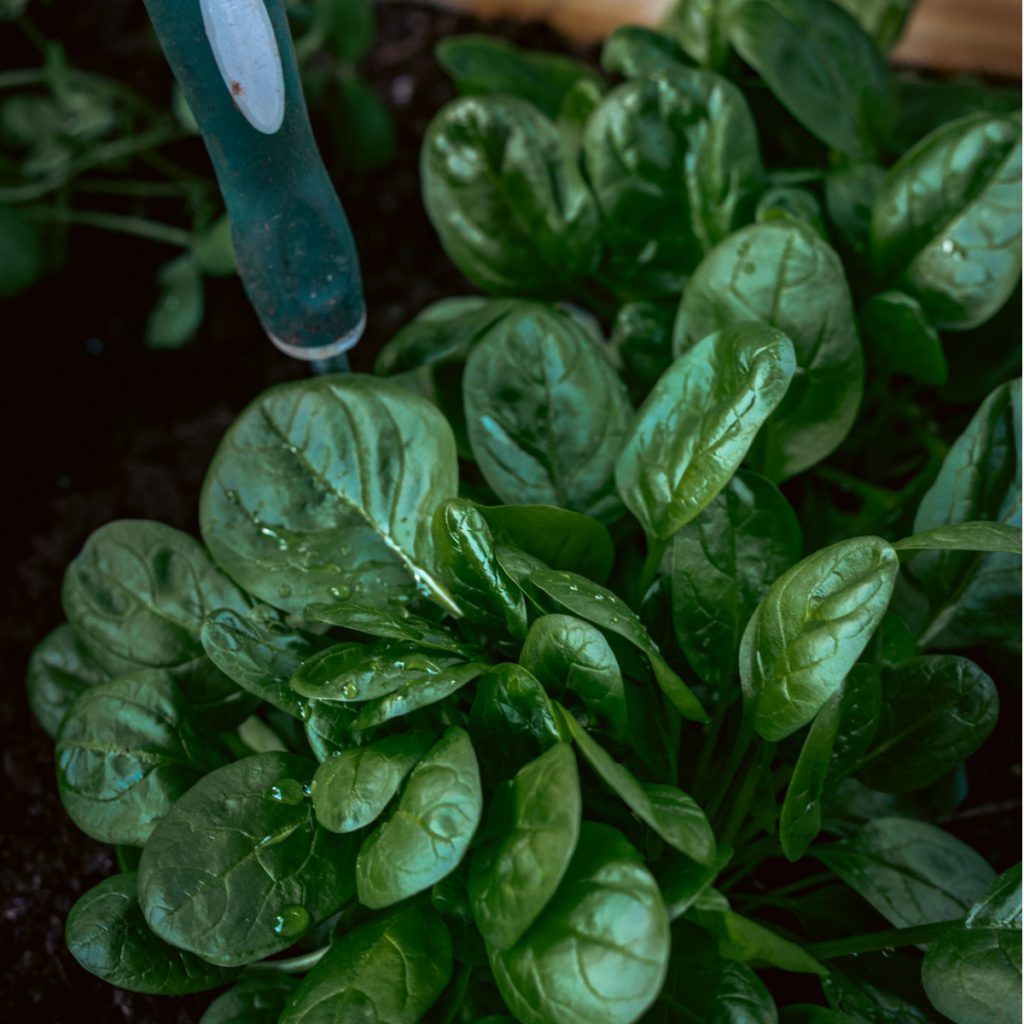
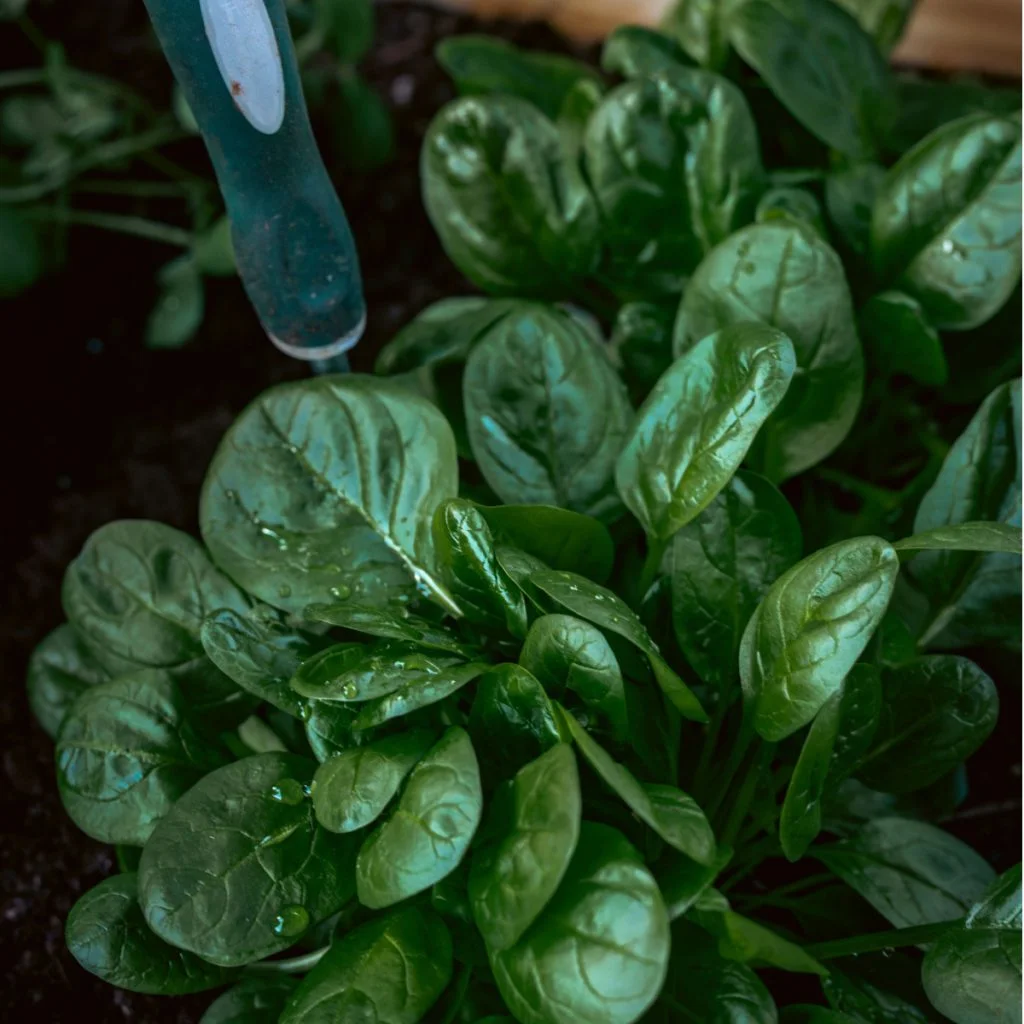
Malabar spinach can be used fresh or cooked. Fresh leaves add texture to salads, though their slightly thicker texture is more noticeable than traditional spinach. When cooked, the leaves soften, giving dishes a slightly silky texture. This makes Malabar spinach excellent for soups, stews, and stir-fries where it helps thicken liquids naturally.
It can be used anywhere spinach is called for during summer months, making it a versatile kitchen garden crop. Of course, once the cooler temperatures of fall arrive – you can go right back to sowing and growing cool loving spinach! See our article: How To Plant Kale & Spinach In The Fall – Two Crops That Thrive In The Cold!
Saving Seeds Next Year To Grow Malabar Spinach Again
Malabar spinach produces seeds late in the season. Allowing some flowers to mature into berries will allow you to easily save seed. When berries turn dark purple and soft, you can pick and collect the seeds. You can then use them again for planting the following season.
Here is to trying and growing Malabar spinach in your garden or raised beds this year!
Simple Garden Life
Follow Our Facebook Page For Even More Great Tips! Simple Garden Life Facebook Page
Simple Garden Life is a website dedicated to keeping gardening fun, simple and enjoyable! We publish two new articles each week along with a new garden podcast episode every two weeks. This article may contain affiliate links.