How To Keep Tomato Plants Productive In Late Summer - 3 Big Secrets To Keep Your Plants Producing!
Want to learn a few secrets that can help keep your tomato plants productive in late summer - and deep into fall?
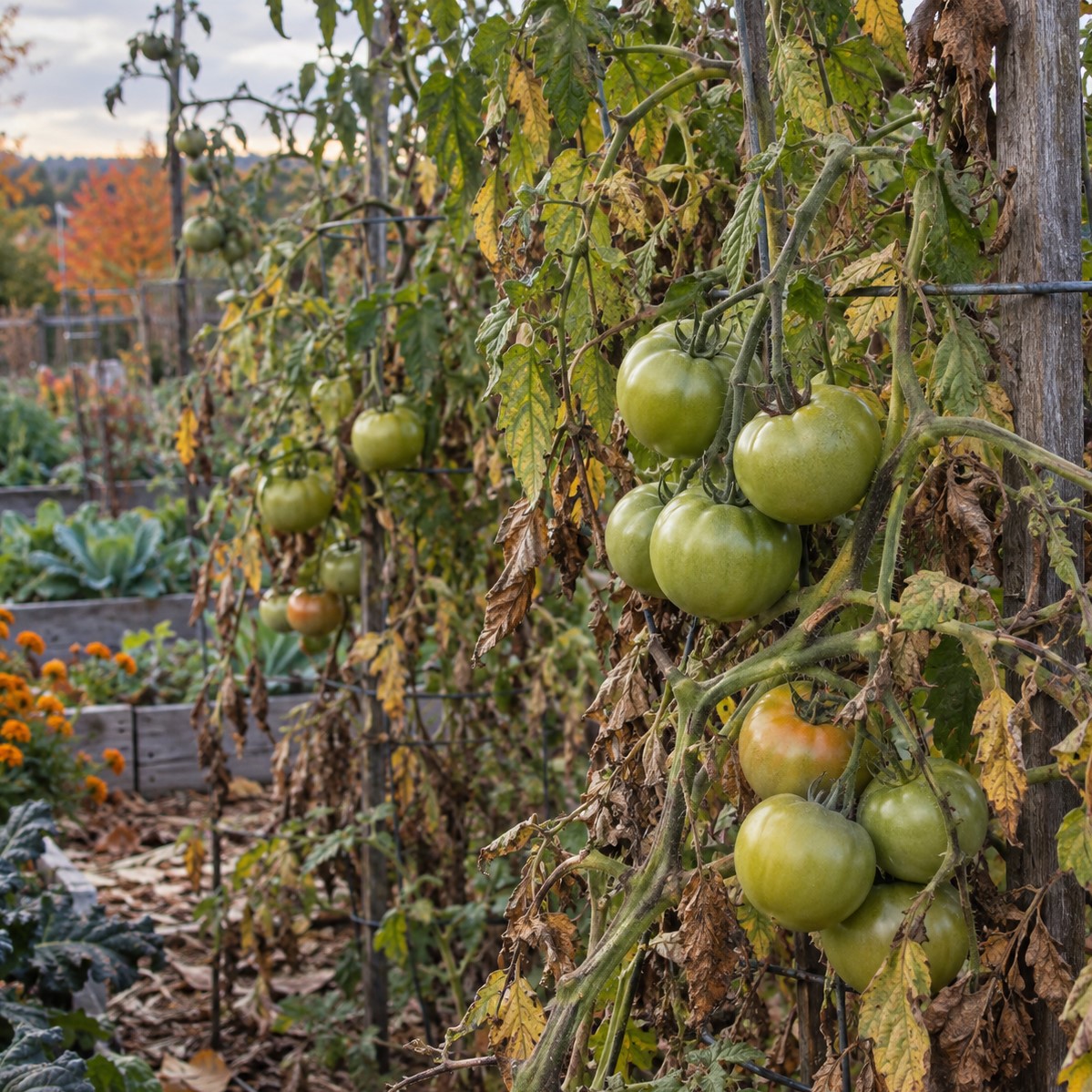
By the time late summer rolls around, tomato plants can certainly start to show their age. After months of growing, flowering and producing fruit, plants that were once lush and green can suddenly begin to look tired, overgrown and far less productive. But that doesn't mean your tomato season has to come to an end!
In fact, with just a little late summer care, you can keep your tomato plants producing right up until cooler fall temperatures finally bring the growing season to a close. And even better, a few simple tasks can help the tomatoes already on your plants ripen faster while encouraging additional blooms and fruit to develop.

The key is knowing what your plants need - and perhaps even more importantly, what they don't need - as summer begins to wind down.
How To Keep Tomato Plants Productive In Late Summer
1. Keep Picking Tomatoes As Soon As They Begin To Ripen
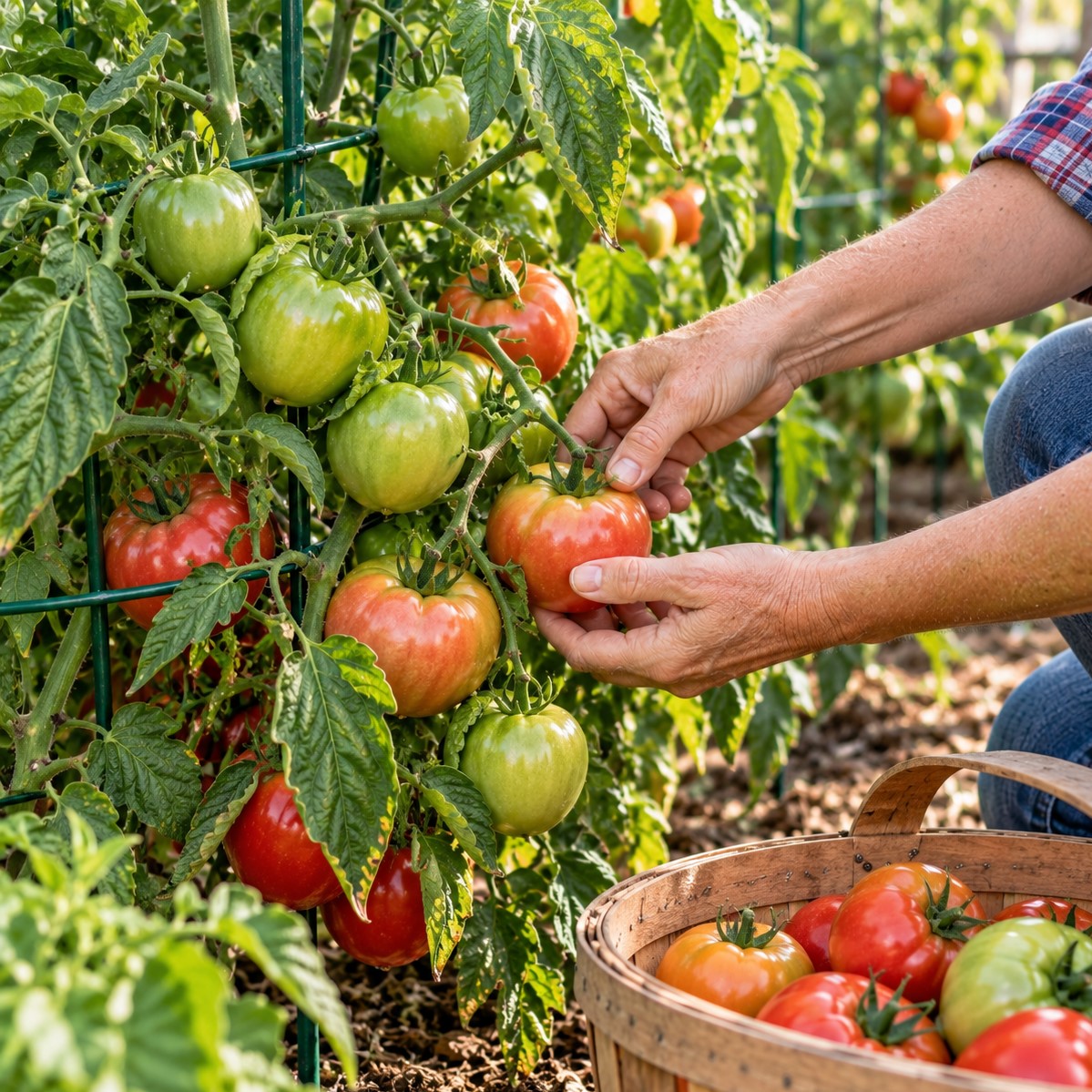
One of the easiest ways to keep tomato plants productive in late summer is to harvest fruit early and often.
Many gardeners leave tomatoes on the vine until they become completely red and ripe. Although there is certainly nothing wrong with allowing tomatoes to fully ripen on the plant, doing so can actually slow down the production and ripening of the remaining fruit.
Once a tomato begins to turn from green to its mature color, it has already received nearly everything it needs from the plant. This stage is often referred to as the breaker stage.
At this point, the tomato can be picked and allowed to finish ripening indoors without sacrificing flavor or quality. More importantly, removing that fruit allows the plant to redirect its resources toward developing and ripening younger tomatoes.
This can make a big difference in late summer when daylight hours are beginning to decrease and plants have less energy available.

Why Picking Often Helps Keep Your Tomato Plants Productive
A tomato plant has only so much energy to go around. When it is loaded with large, ripening tomatoes, those fruits require a tremendous amount of resources. By harvesting tomatoes as soon as they begin changing color, you lighten the load on the plant. That allows it to focus more of its energy on the remaining fruit and flowers.
There is another big advantage to early harvesting as well. Tomatoes left to fully ripen outdoors are more vulnerable to cracking, insects, birds and other animals.
Late summer weather can often bring periods of dry conditions followed by heavy rain. That sudden increase in moisture can cause ripe tomatoes to split quickly.
For best results, check your plants every day or two and harvest any tomato that has started to show its mature color. Place it on a counter out of direct sunlight and allow it to finish ripening naturally.
Whatever you do, avoid placing tomatoes in a sunny windowsill. Excessive heat and direct sunlight can actually cause fruit to soften too quickly.
Listen To Our Latest Podcast Below!

2. Give Your Tomato Plants The Right Boost Of Power
After producing for weeks or even months, the soil around tomato plants can begin to run low on available nutrients. This is especially true for tomatoes growing in containers or raised beds where there is less soil from which roots can pull nutrients.
A small dose of fertilizer can help give plants the energy they need to finish the season strong. But when it comes to fertilizing tomatoes in late summer, the type of fertilizer you use is extremely important.
Avoid fertilizers that contain high levels of nitrogen. Nitrogen promotes foliage and stem growth, which is the last thing you want your plants concentrating on as fall approaches.
Instead, use a fertilizer with lower nitrogen levels and higher amounts of phosphorus and potassium. These nutrients help support flowering, fruit development and overall plant health. Affiliate Link: Farmer's Secret Tomato Booster Fertilizer - Super Concentrated - 3:8:7
Liquid fertilizer works especially well in late summer because the nutrients are available to the roots quickly. Plants don't have to wait for a granular fertilizer to slowly break down in the soil.
Don't Over-Fertilize
The goal isn't to push tomato plants into massive new growth. Instead, you simply want to provide enough nutrients to help them continue developing their existing flowers and fruit.

Because of that, it's best to use fertilizer at half of the recommended strength. A lighter dose every 7 to 14 days is usually more beneficial than one heavy application. Compost tea or a liquid fertilizer formulated for tomatoes and vegetables are both good choices.
This is especially important for container tomato plants. Frequent watering throughout the summer can wash nutrients from potting soil, leaving plants hungry by August. Whatever fertilizer you use, always apply it when the soil is moist. Fertilizing plants when their roots are extremely dry can stress or even damage them.
And remember - more fertilizer does not equal more tomatoes. Too much can actually cause excessive growth and create additional stress for an already mature plant.
3. Prune Plants To Improve Airflow & Direct Energy To Fruit
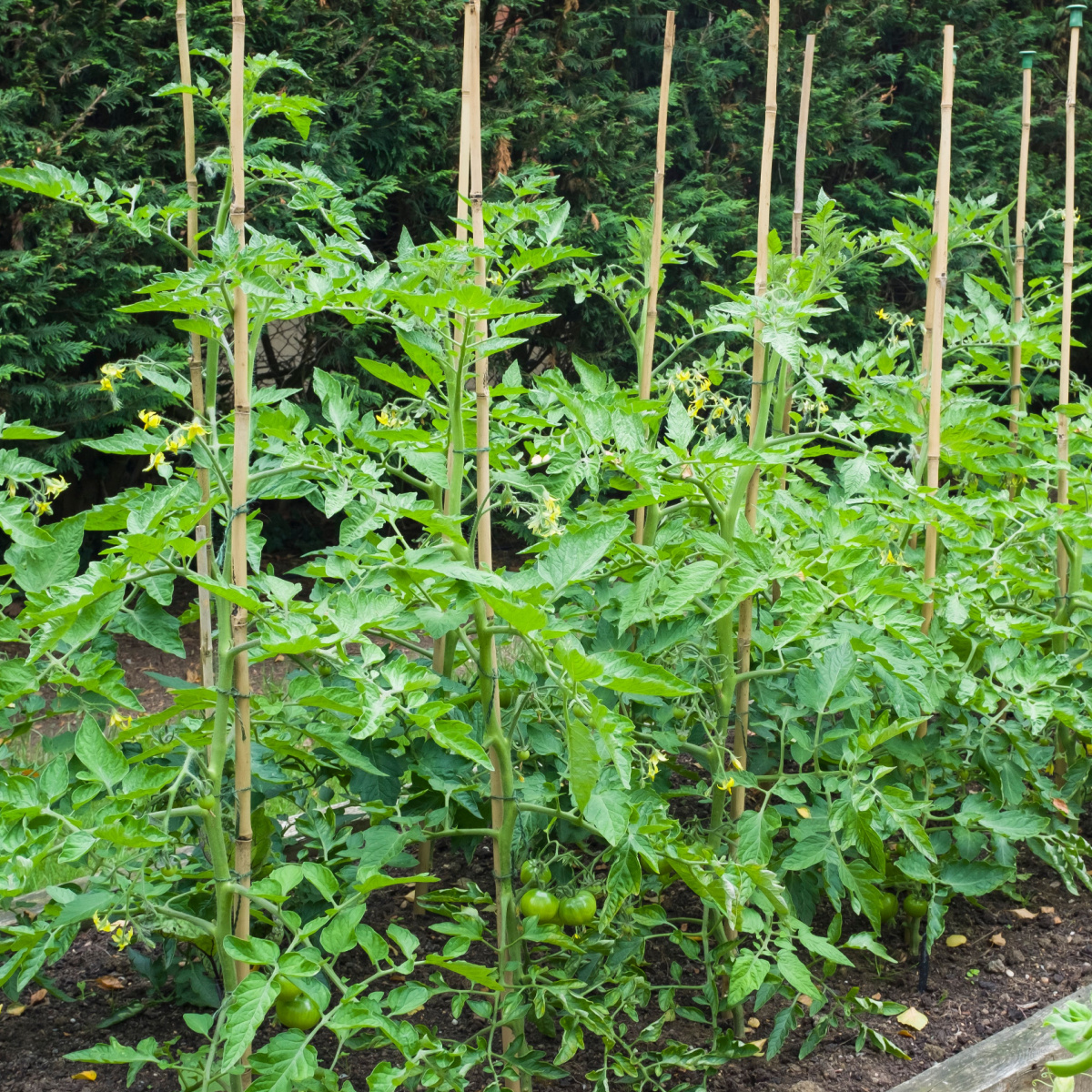
The third secret to keeping tomato plants productive in late summer is to give them a little strategic pruning. By this point in the growing season, indeterminate tomato plants in particular can become massive.
Their stems may be growing in every direction, and thick foliage can make it difficult for sunlight and air to reach the center of the plant. Removing some of this excess growth can provide several important benefits.
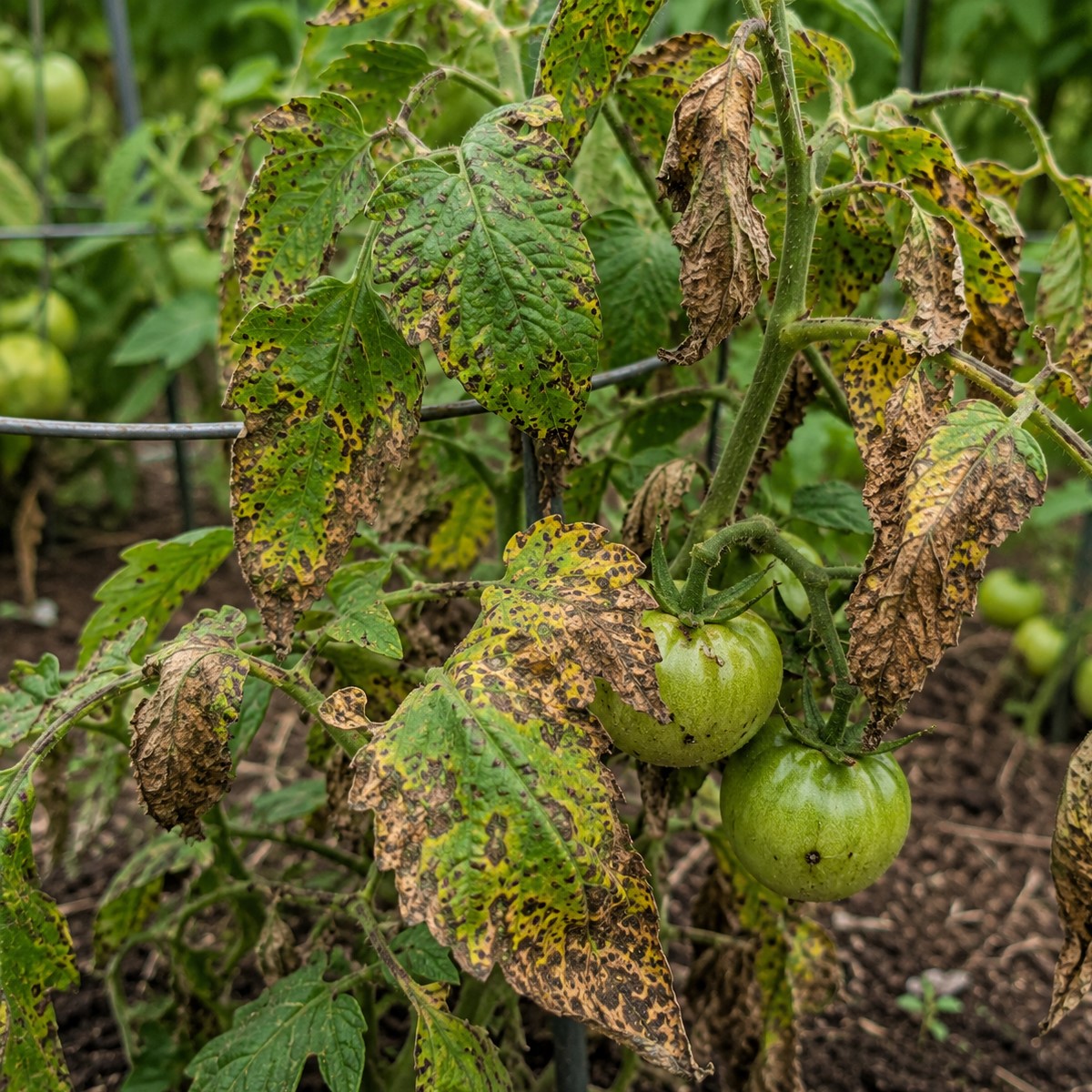
Start by pruning away any damaged, yellowing or diseased leaves. Leaves near the bottom of the plant are often the first to show signs of trouble because they are more likely to come into contact with soil and moisture.

Removing them helps improve airflow while also reducing the chance of soil-borne disease spreading farther up the plant. Next, remove any stems or foliage that have become overly thick or tangled. You don't need to heavily prune the entire plant. The goal is simply to open it up enough to allow better air circulation.
Better airflow is extremely important in late summer. Warm days combined with cool, damp nights can create ideal conditions for fungal diseases. See our article: How To Protect Tomato Plants From Blight This Year – And Keep Your Plants Healthy!
When To Stop New Growth
As fall gets closer, there comes a point when new flowers simply won't have enough time to produce ripe tomatoes before the first frost.
Most tomatoes require several weeks to develop from a flower into mature fruit. Because of this, allowing plants to continue putting energy into new blooms late in the season can actually reduce your final harvest.
About four to six weeks before your area's average first frost date, begin pinching off new flowers and very small fruit that have little chance of reaching maturity. For indeterminate varieties, you can also prune off the growing tips of the main stems. This process, often called topping, stops the plant from putting valuable energy into growing taller.
Instead, the plant can concentrate its resources on ripening the tomatoes already hanging on its branches.
It can be difficult to remove healthy flowers, but doing so can help far more of your existing tomatoes reach maturity before cold weather arrives.
Just remember - late summer doesn't have to mean the end of your tomato harvest. With just a few simple tips and tricks, you can keep your tomato plants productive all the way into fall!
Simple Garden Life
Follow Our Facebook Page For Even More Great Tips! Simple Garden Life Facebook Page
Simple Garden Life is a website dedicated to keeping gardening fun, simple and enjoyable! We publish two new articles each week along with a new garden podcast episode every two weeks. This article may contain affiliate links.
More Tomatoes
- How To Get The Last Green Tomatoes To Ripen On Your Plants - 2 Big Tips To Get Your Last Tomatoes To Turn Red!
- How To Help Tomato Plants In September - Get More Tomatoes Before Your First Frost!
- Do Your Tomato Plants Have Blight? How To Stop The Spread Of Blight Fast!
- How To Supercharge Your Tomato Plants Once They Are In The Ground - Get Your Tomatoes Growing Fast!