
Looking for a few tips and pointers on caring for a live Christmas tree before and after Christmas?
Some people go for artificial trees that they can quickly assemble and take down without the need for maintenance in between. Others like heading out and cutting down a live tree to display indoors. But unfortunately, once a live tree is cut – its life is over.
That is exactly why living Christmas trees provide another great option for the holiday season. And once the holidays are over, with a little bit of prep, you can simply plant it outside on your property. It’s the decoration that keeps on living – literally!
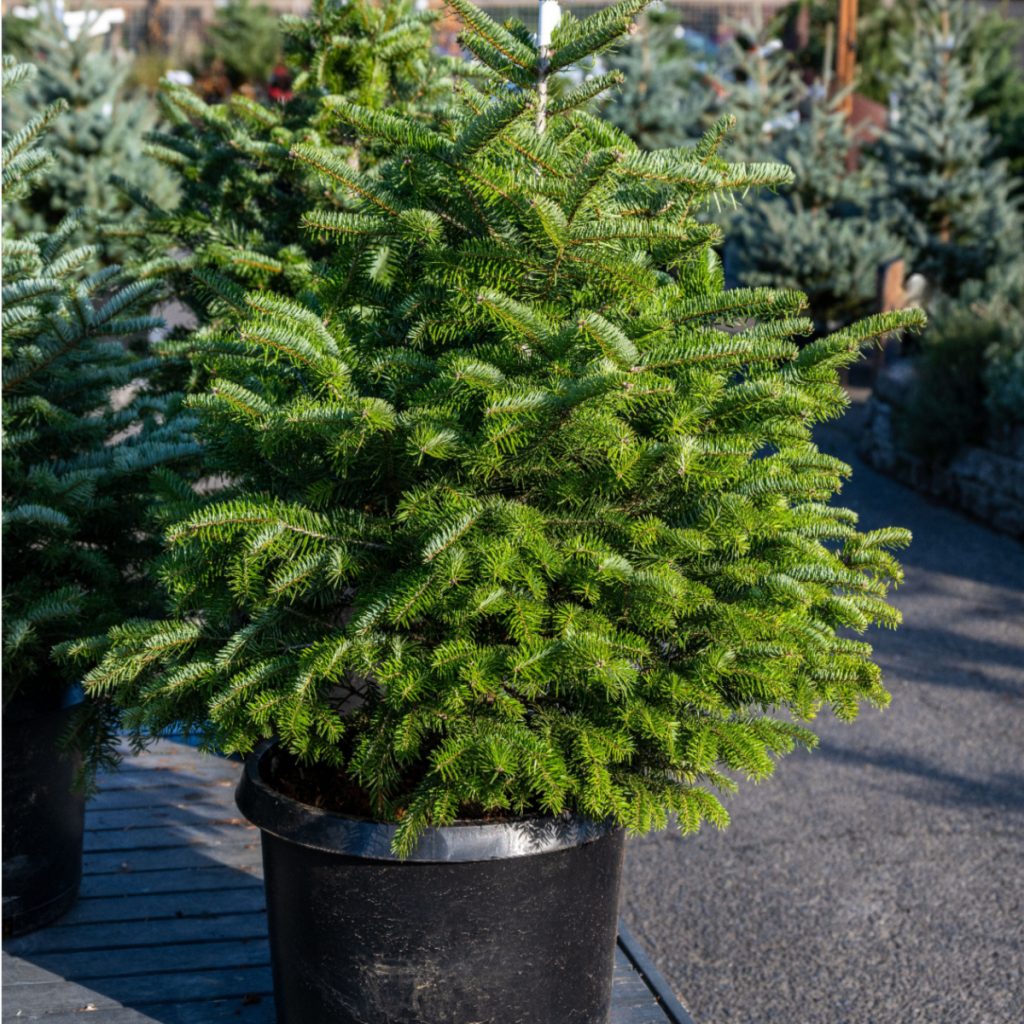
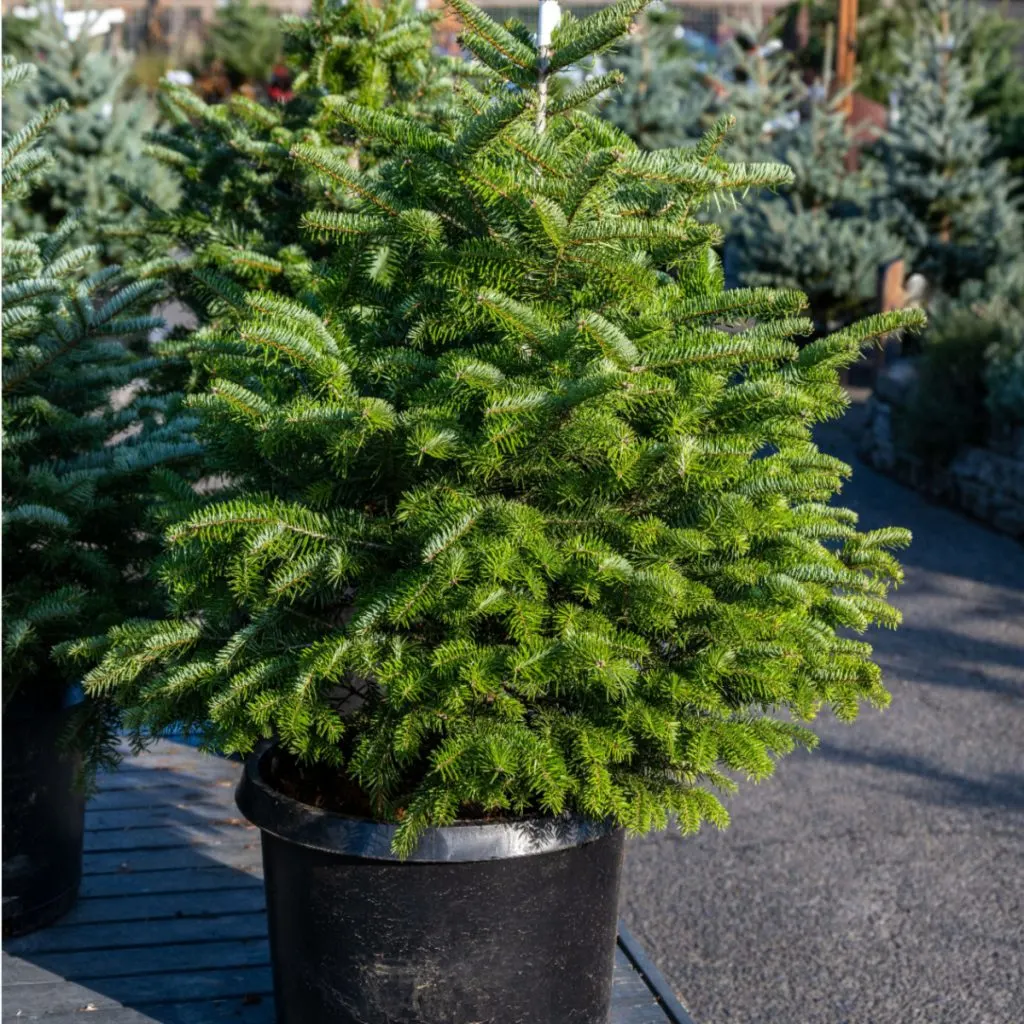
The Best Way To Care For A Live Christmas Tree
Living trees typically come with their root ball in either a burlap sack – or in potted containers. The best way to preserve your Christmas tree is to plant your living tree and allow it to become part of your landscape to enjoy for years to come.
Not only can the tree provide visual interest, shade, wind protection, and a place for nature’s creatures to call home, but you can even decorate it outdoors for future holidays. But keeping living trees safe and alive all comes down to knowing how to give it just the right care before – and after the holidays.
Choosing A Live Christmas Tree
Everything starts with getting the right tree for your climate and area. Start with a little research on what types of pine trees grow best in your location. You need to choose a variety that can handle your specific growing conditions as well as your climate.
When you choose the right variety, it has an easier time adapting to being planted or brought outside once Christmas is over. It will also have a far better chance of long term survival.
It’s also important to consider your timeline. Live trees only keep for around a week to 10 days once indoors. After that, they will start to struggle to re-acclimate to going back outdoors afterward. Keep in mind where the tree is when you purchase it. If the tree is already indoors, then you don’t have to help it transition when bringing it home. But if not – you do!
If you get your potted tree from an outdoor location, you won’t be able to immediately move it inside your warm and toasty house. It will need about a week or two to transition in a new location before coming inside.
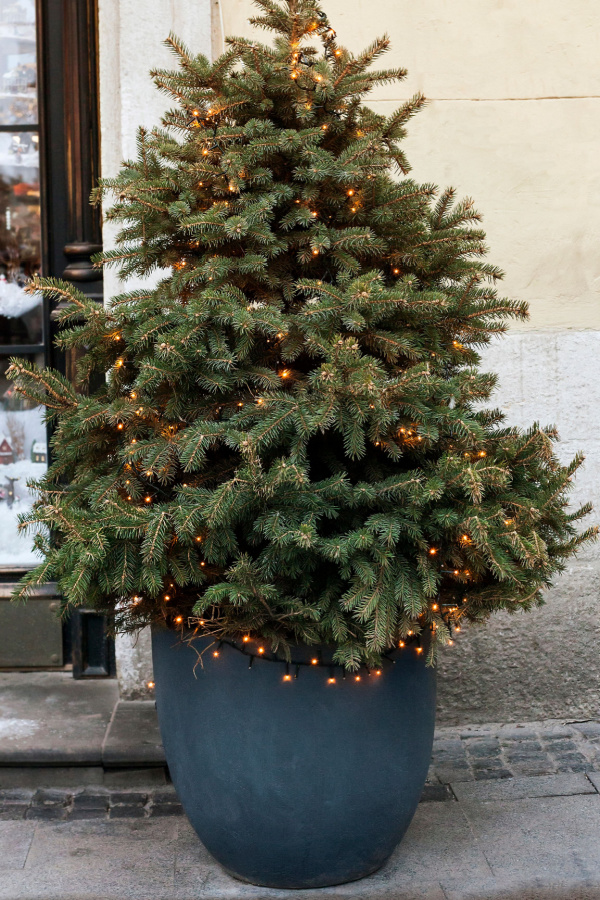
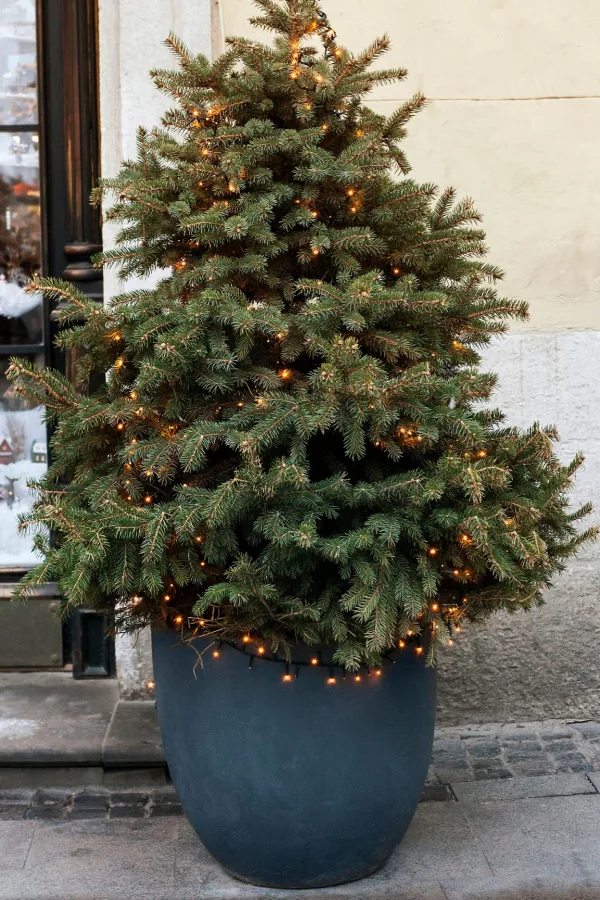
Picking The Best Live Christmas Tree – And How To Care For It!
Start with a tree that has a nice, straight trunk. And, one without any deep cuts or blemishes. The needles should be a dark green or even blue color. The color will depend on the variety of tree you choose. Avoid those that have an overall yellow or brown look to the needles. You can expect to see a few yellow needles here and there though.
You can easily check to see if the tree is suffering from being too dry. Lightly grab one of the branches close to the trunk and carefully pull it towards you. Very few needles should come off as your hand moves along. If a lot of needles come off, however, it’s best to choose a healthier live tree.
Bringing A Live Christmas Tree Indoors
If you purchase the tree from an outdoor location, you need to help it acclimate before immediately bringing it inside. Drastic temperature changes will cause a lot of stress for the tree and can cause serious long term damage.
If possible, move your potted tree to a cool location that is still protected from the elements. An unheated garage, barn, shed, or even a cool basement or enclosed porch are all excellent locations to help the tree get used to a bit warmer temps. Allow it to hang out there for a week or two before moving into your heated home.
During this acclimation period, it’s important that you water the tree often. Potted living trees will need to be watered about every other day during this time frame.


Once you bring the live tree indoors to a warm location, you will need to water it every day. For a general idea of how much to water, give the tree about one quart of water for every inch of the tree’s trunk width. As an example, if a tree’s trunk is 4 inches wide, you should water it with about 4 quarts of water daily.
Decorating A Live Christmas Tree Indoors
The good news is that you can decorate a live Christmas tree. And for the most part, in the same way that a fake or cut Christmas tree can be. Keep in mind the weight of your ornaments though. Avoid putting too many on a single branch or else you might chance bending or even breaking the limbs.
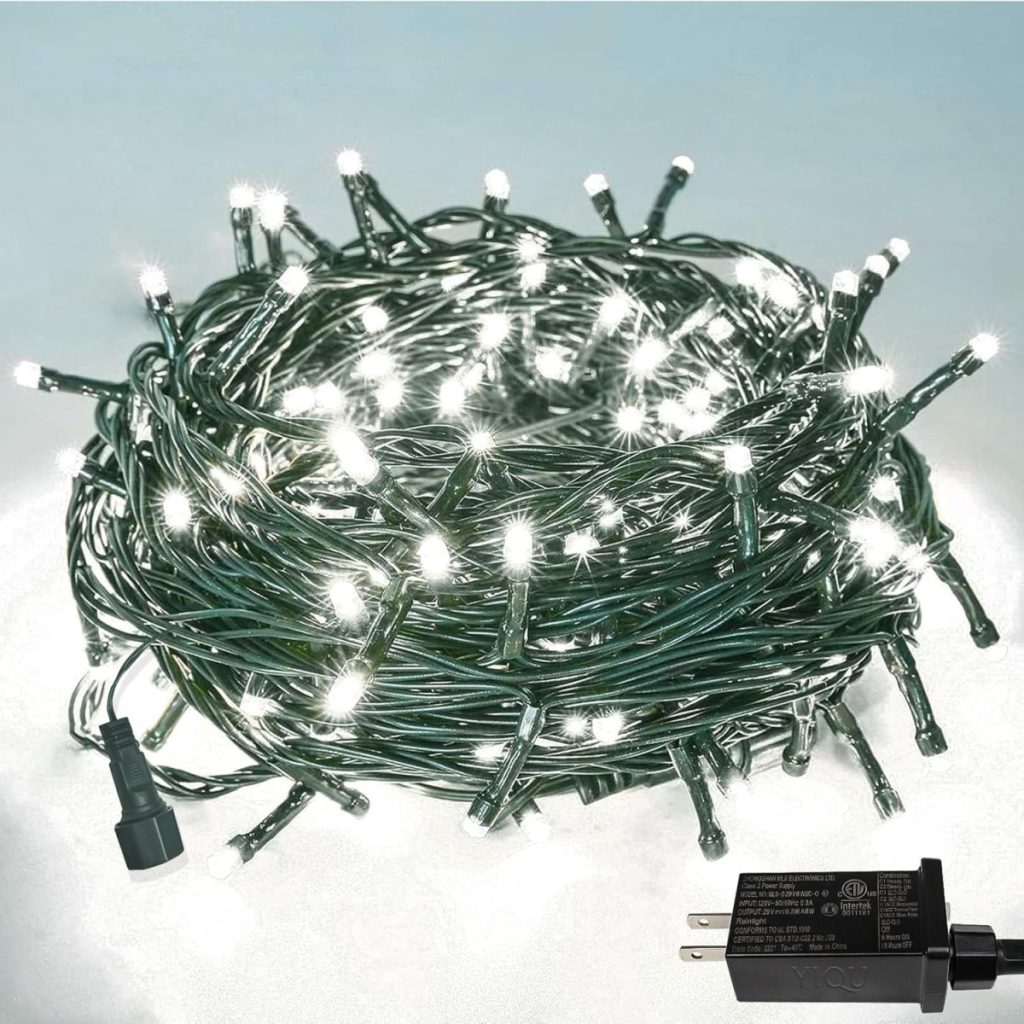
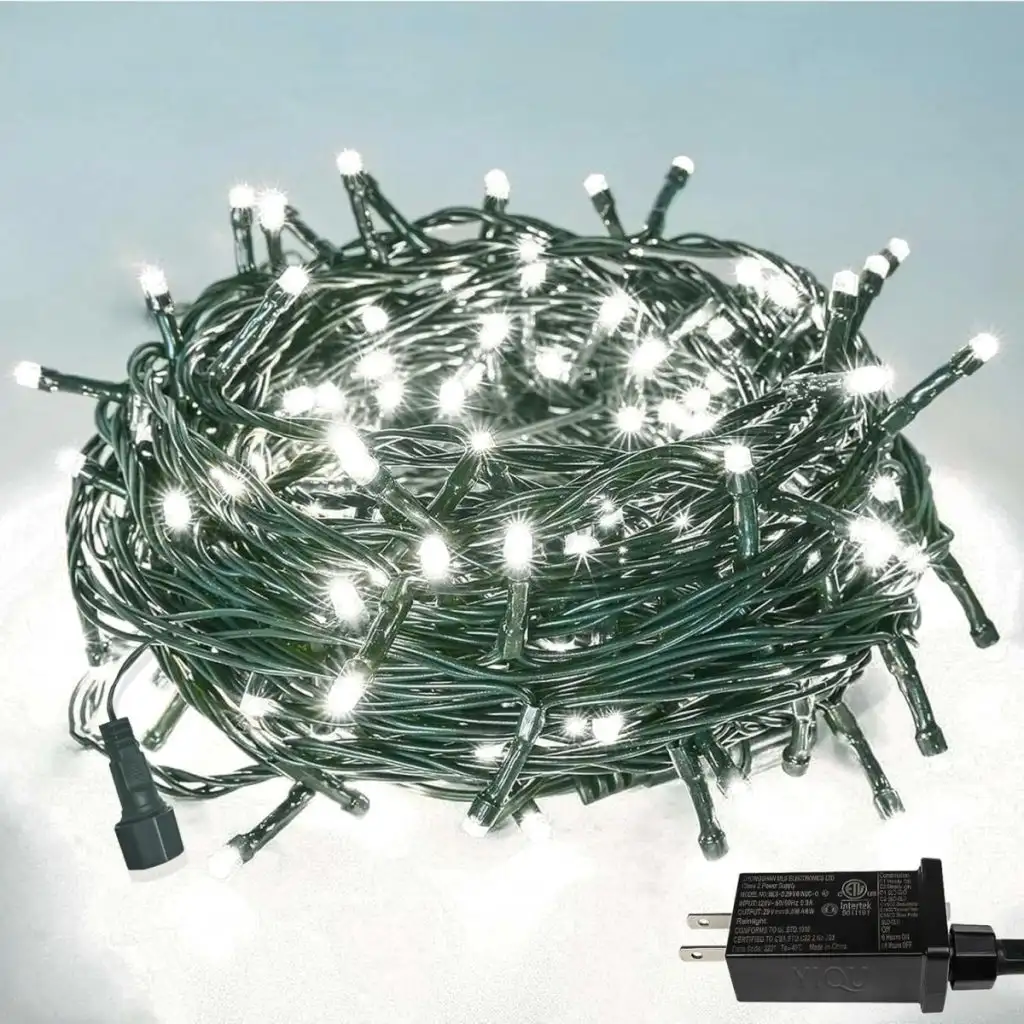
It is also better to use LED lights since they do not produce heat. While they might cost a little bit more, they will last longer and help prevent damage from unnecessary heat. Affiliate Link: White 82FT 200 Cool LED Christmas String Lights Outdoor/Indoor
Once the holidays are over, it’s then time to prepare your live Christmas tree for moving away from the warm and toasty indoors to the chilly outdoors. This will help prevent shock and allow the tree to slowly adapt to the cooler temperatures.
Move the tree back to the unheated garage, shed, or a similar location for a couple of weeks. Continue to water the tree during this time frame, aiming for once every other day.
Planting Your Tree
If the ground is not frozen, you can go ahead and plant the tree outside. Water well after planting and add a thick layer of mulch to help protect the roots. Using 4 to 6 inches of straw, shredded leaves or wood chips will help to regulate the soil’s temperatures.
If the ground outside is still frozen, then you’ll need to wait until spring before planting. Put the tree in a protected space that is out of the wind and continue to water every couple of weeks. This will be the option that most northern gardeners will have to take.
When the ground finally thaws enough, you can plant the tree. Add a nice layer of mulch and water well after planting. You’ll now be able to enjoy your live Christmas tree for many more years to come! For more holiday plant advice – be sure to check out our article: The 3 Biggest Mistakes That Ruin Christmas Cactus Blooms – And How To Avoid Them!
Simple Garden Life
Follow Our Facebook Page For Even More Great Tips! Simple Garden Life Facebook Page
Simple Garden Life is a website dedicated to keeping gardening fun, simple and enjoyable! We publish two new articles each week along with a new garden podcast episode every two weeks. This article may contain affiliate links.