
Want to eliminate chickweed from overtaking your flowerbeds every single year?
If there is one weed that seems to show up overnight and spread everywhere, it’s chickweed. One day your flowerbeds look clean and tidy. A week later, there is a thick green mat of foliage hugging the soil surface, weaving around perennials, bulbs, and shrubs everywhere you look.
Chickweed is an early starter. It is one of those weeds that thrives when gardens are still waking up from winter. It loves cool temperatures, moist soil, and open ground. That combination makes early spring flowerbeds the perfect target. And because it grows low and spreads fast, it often gets overlooked until it is already well established.

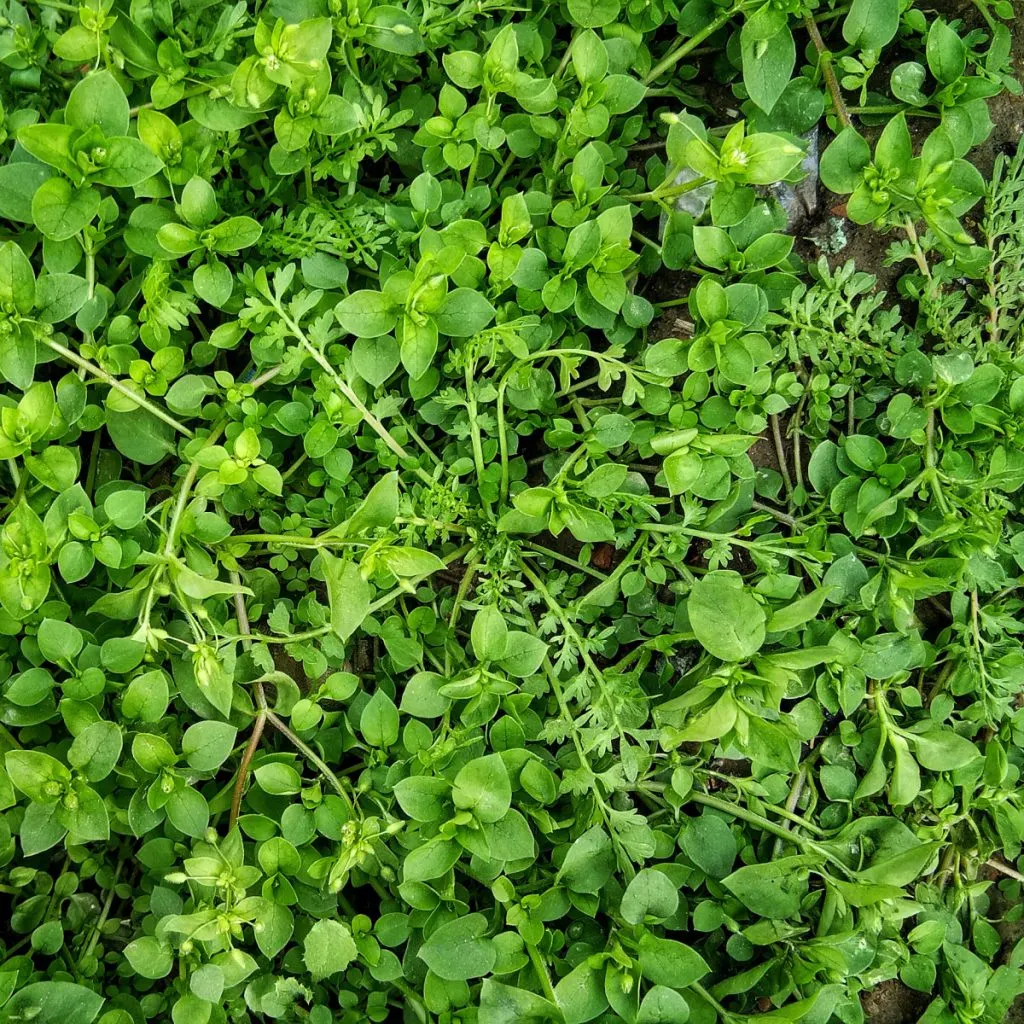
The good news is that chickweed can be eliminated for good. But it takes understanding how it grows, why it keeps coming back, and what actually works long term to really get a handle on it. One thing is for sure, simply pulling it once or spraying it randomly rarely solves the problem. The key is timing, consistency, and using the right methods that stop it at the root.
How To Eliminate Chickweed From Your Flowerbeds
Why Chickweed Keeps Taking Over Flowerbeds
Chickweed is a cool season annual weed. That means it germinates in late fall or very early spring, grows quickly, sets seed, and then dies off when hot summer temperatures arrive. The problem is that each plant can produce thousands of seeds, and those seeds can remain good in the soil for years.
Flowerbeds are especially vulnerable because chickweed loves disturbed soil. Any time you plant new perennials, divide plants, edge beds, or remove old mulch, you create the perfect conditions for seeds to sprout. Add in spring rains and mild temperatures, and chickweed explodes.
Another reason chickweed is so persistent is its growth habit. It grows low to the ground, forming a dense mat that shades the soil. This makes it harder for desirable plants and mulch to compete. It also roots at multiple points along its stems, which means even small pieces left behind can continue growing.
If chickweed is allowed to flower and go to seed, the cycle starts all over again. That is why early action is so important.
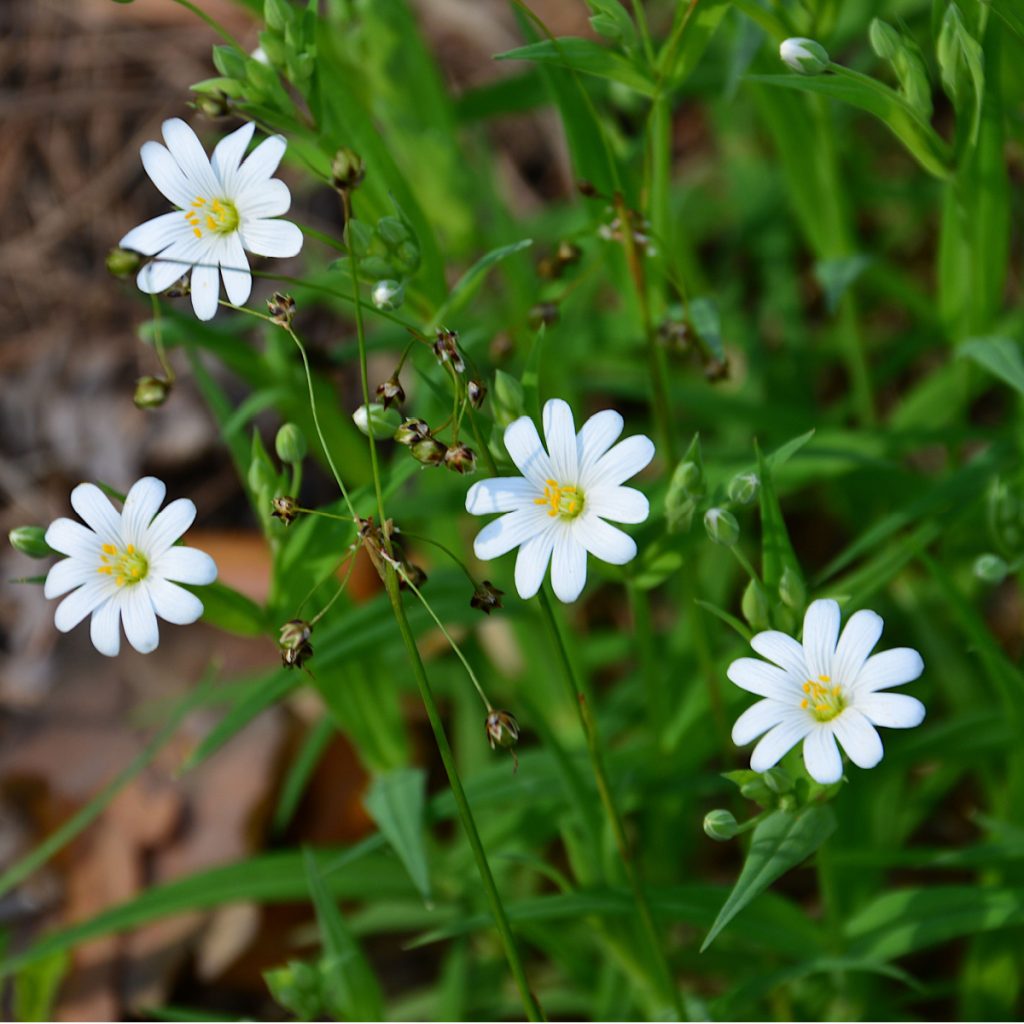
The Best Time To Eliminate Chickweed From Your Flowerbeds
Timing is everything when it comes to eliminating chickweed. The earlier you deal with it, the easier it is to control. Young chickweed plants have shallow roots and pull out easily. Once it becomes thick and tangled, removal takes much more effort.
Late winter through early spring is the prime window. As soon as soil can be worked and you see chickweed appearing, it is time to act. Waiting until flowerbeds are fully awake gives chickweed too much of a head start.
Fall is another critical time that many gardeners overlook. Chickweed often germinates in fall, survives winter under snow or mulch, and then explodes in early spring. Controlling it in fall dramatically reduces spring infestations.
Hand Pulling Chickweed The Right Way
Hand pulling is one of the most effective methods for eliminating chickweed, but only if it is done correctly. Because chickweed has shallow roots, it pulls out easily when soil is moist. Pulling after a rain or light watering makes the job far easier.
The key is to remove the entire plant, including the roots and all trailing stems. Chickweed spreads outward, and those stems can root wherever they touch the soil. Grabbing a small section and pulling straight up often leaves pieces behind.
Instead, gently loosen the mat with your fingers or a hand cultivator and lift the entire plant mass at once. Shake off excess soil and remove it from the bed completely. Do not leave pulled chickweed sitting on the soil surface, as it can re root in damp conditions.
Consistency matters. Pulling once and stopping is not enough. New seedlings will continue to appear for several weeks. A quick pass through the bed every few days keeps it under control and prevents seed production.
Eliminate Chickweed With Mulch
Mulch is one of the best long term defenses against chickweed. Because chickweed seeds need light to germinate, a thick layer of mulch can dramatically reduce new growth.
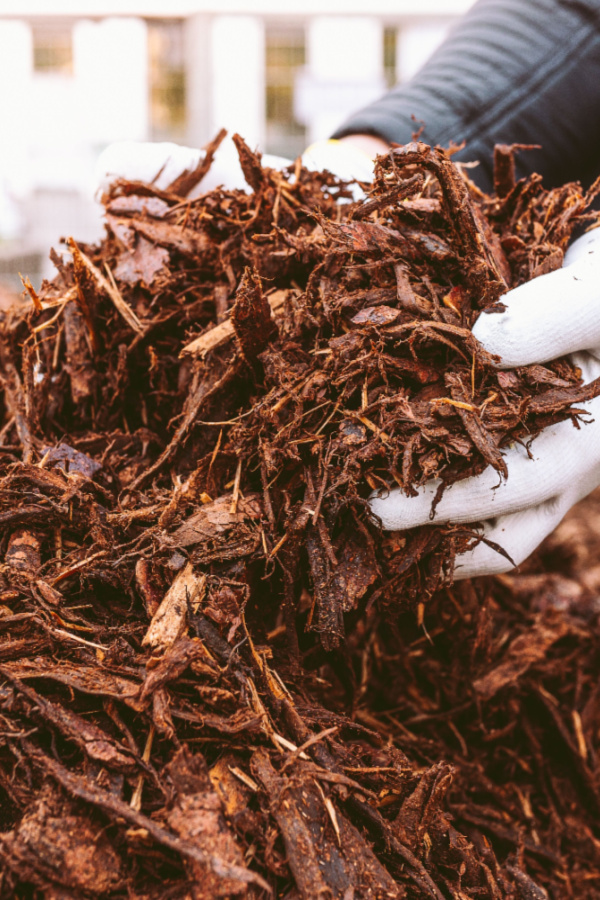
The problem many gardeners run into is not using enough mulch. A thin layer may look nice, but it still allows light through and does little to stop weeds. For chickweed control, mulch should be applied at a depth of two to three inches.
Organic mulches such as shredded bark, leaf mulch, compost, or straw work well. Spread mulch evenly over the soil surface, making sure to cover bare areas where chickweed loves to sprout. See our article: How To Mulch Flowerbeds To Stop Weeds – 3 Mulching Secrets That Will End Weeds For Good!
If chickweed is already present, remove it first before mulching. Mulching over active chickweed often traps moisture and helps it thrive underneath. Clean beds first, then apply mulch as a preventative barrier. Refreshing mulch each year is important. As mulch breaks down, it becomes thinner and less effective. A quick top up in early spring and again in fall keeps beds protected year round.
Check Out Our Podcast Below!


Using Vinegar As A Natural Weed Killer
For chickweed growing in open areas of flowerbeds or along edges, natural weed killers can be effective when used carefully. Horticultural vinegar works by burning the foliage on contact. It is most effective on young chickweed plants.
Horticultural vinegar is far more stronger than regular store vinegar. The higher acidity is what works well to get rid of not just the top growth but the roots as well. Affiliate Link: 45% Pure Vinegar – Concentrated Industrial Grade (1-Gallon)
Apply vinegar on a sunny, dry day when temperatures are above 60 degrees. Spray directly on the chickweed, avoiding desirable plants. Chickweed will wilt and die back within hours.
Preventing Chickweed From Coming Back
Eliminating chickweed once is only half the battle. Preventing it from returning is what makes the effort worthwhile. Never let chickweed go to seed. Even a few plants left behind can undo months of work. Regular inspections in early spring and fall are critical.
When adding new plants, inspect containers carefully. Chickweed often sneaks into flowerbeds through nursery pots that already contain seedlings. Cover bare soil whenever possible. Whether it is mulch, ground cover plants, or dense perennial growth, exposed soil invites weeds.
Over time, these small habits add up. Each season you prevent chickweed from seeding, the soil seed bank becomes smaller. After a few years of consistent control, chickweed pressure drops dramatically.
Chickweed may be aggressive, but it is not invincible. Its shallow roots and cool season growth habit actually make it one of the easier weeds to control when addressed early. The biggest mistake gardeners make is waiting too long. Once chickweed mats over flowerbeds, it feels overwhelming. But tackled in small stages, it becomes manageable.
Here is to eliminating chickweed from your flowerbeds this year – and keeping it out for good!
Simple Garden Life
Follow Our Facebook Page For Even More Great Tips! Simple Garden Life Facebook Page
Simple Garden Life is a website dedicated to keeping gardening fun, simple and enjoyable! We publish two new articles each week along with a new garden podcast episode every two weeks. This article may contain affiliate links.