5 Perennial Flowers You Can Still Divide In October – Fill Your Flowerbeds Now For Next Year!
Think it’s too late to divide a few of your favorite perennial flowers? Although spring and early fall get most of the attention when it comes to dividing plants, there can still be time in late fall to turn overgrown clumps into beautiful new plants for your landscape!
By this point in the growing season, many flowerbeds are looking a little tired. Hostas are collapsing, daylily foliage is turning brown, and the last blooms on summer perennials have faded. But underneath all of that dying foliage are roots that can become the start of next year’s flowers.
Dividing helps crowded plants regain room to grow. It also gives you an easy way to fill empty spaces, expand a flowerbed or share plants with friends. Best of all, you can do it without spending a dime on new plants.
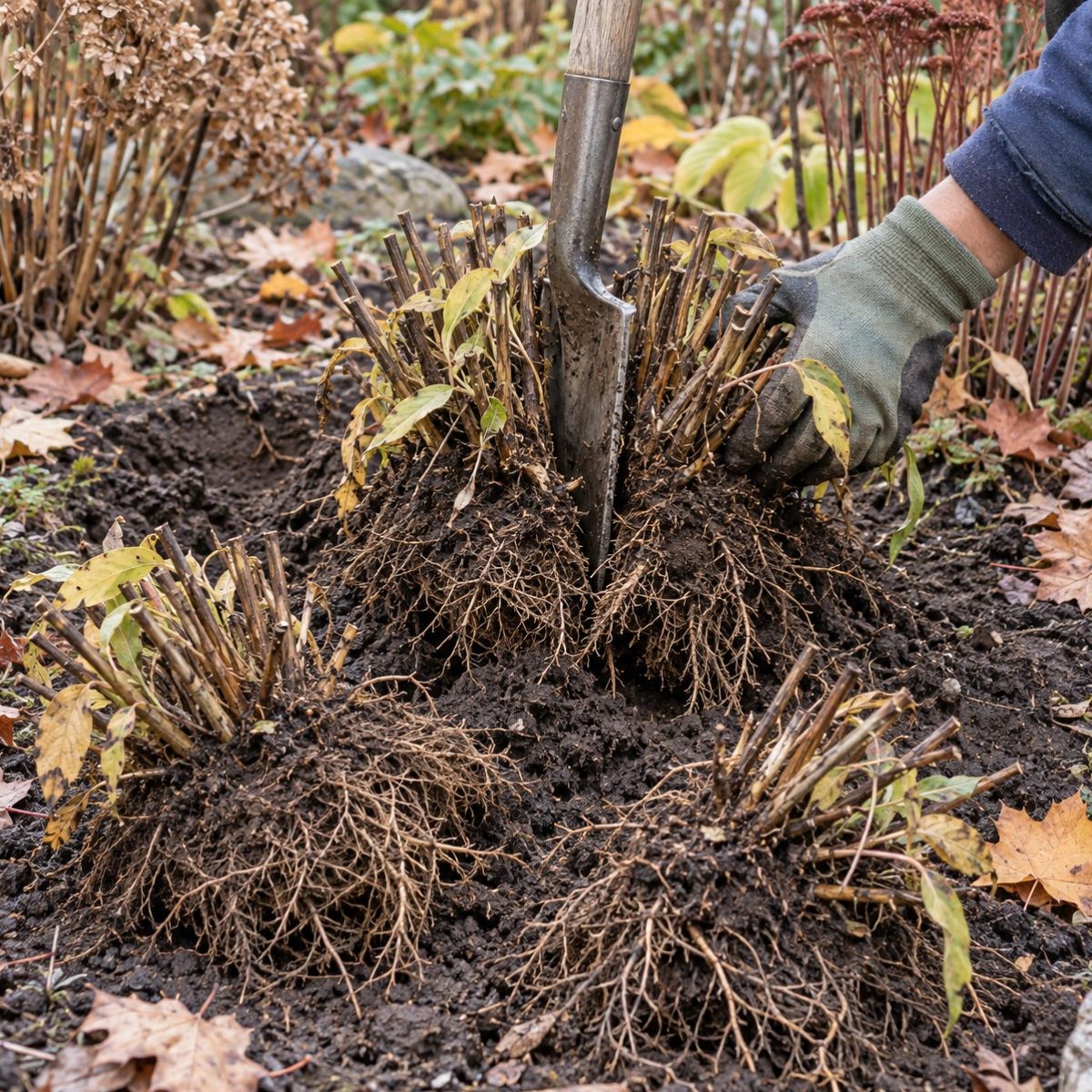
The key is knowing whether your soil and weather still give those divisions time to settle in. And for popular perennials such as sedum, garden phlox, hostas, daylilies and black eyed Susan - that can mean one more opportunity to get a little planting done before winter!
5 Perennial Flowers You Can Still Divide
When Is Late Fall Too Late?
The calendar alone doesn’t determine whether you can divide perennials. What matters most is how much time remains before the ground freezes. A light frost that damages foliage does not automatically mean your planting season is over.
For dependable results, aim to divide at least four to six weeks before the soil usually freezes. Roots can continue growing after leaves die back, provided the soil remains warm enough and has adequate moisture.
In warmer growing regions, that window may extend well into late fall. In colder areas, it may close much earlier. If the ground is already freezing regularly or winter weather is arriving quickly, leave established clumps in place and divide them in spring. With that in mind - here is a look at 5 great perennials you can still divide!
Sedum – Give Overgrown Clumps A Fresh Start
Upright sedum, including familiar fall bloomers such as Autumn Joy, is a good candidate for division once flowering winds down. Its thick foliage and sturdy flower heads make it a favorite for late season color, but older clumps can become crowded.

An aging clump may develop a thin center or produce stems that spread outward. Dividing can help, although flopping can also result from too much shade or overly rich soil. Replanting in a sunny location is just as important as separating the roots.
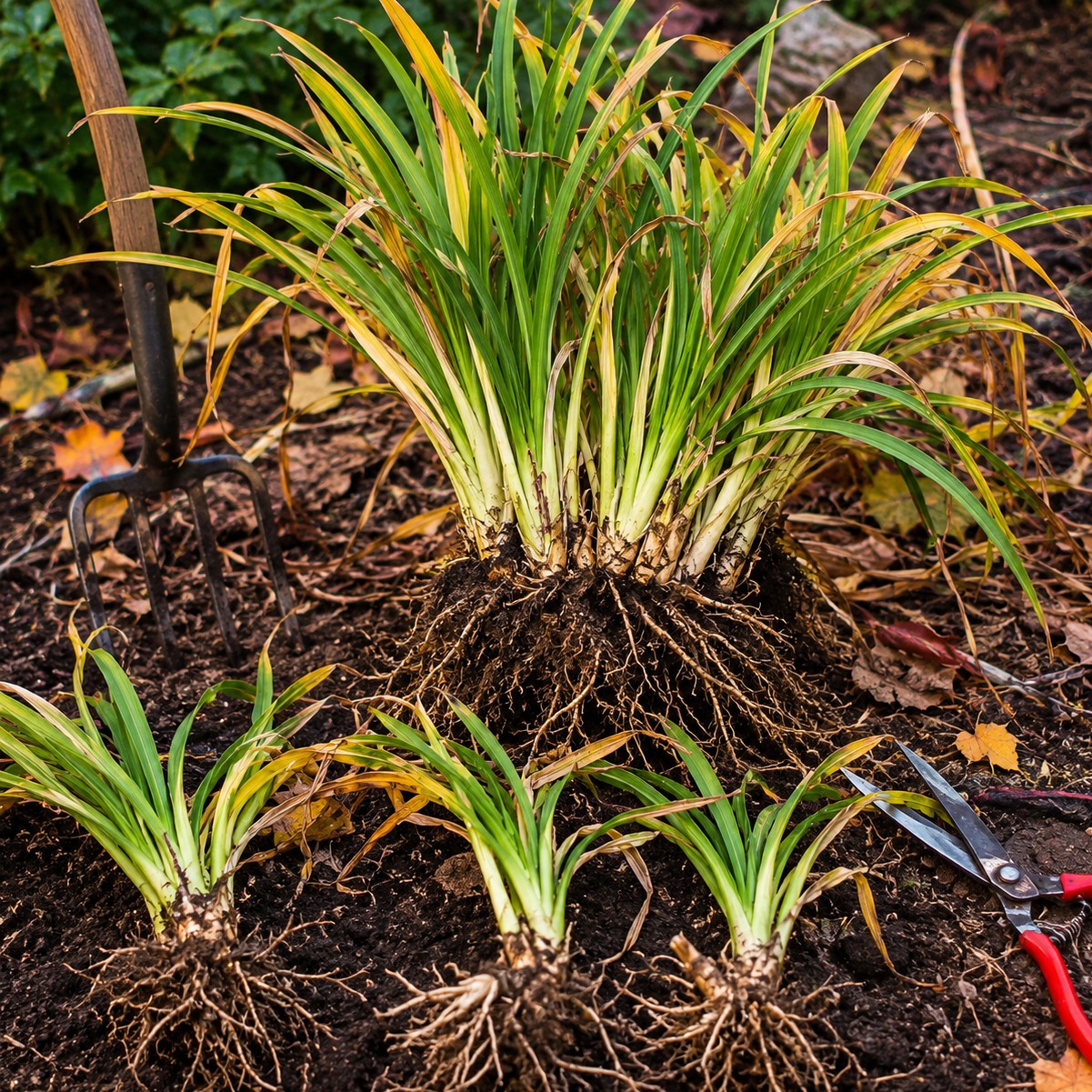
Dig around the outside of the plant and lift the root mass. Use a sharp spade or clean knife to separate it into several substantial pieces. Each division should have healthy roots and several growth buds or stems. Discard any dead center sections.
Plant divisions at their original depth in well-drained soil. Sedum tolerates dry conditions once established, but freshly divided plants need watering to settle the soil around their roots. Avoid soggy planting spots, especially where winter moisture collects.
Garden Phlox
Phlox are another one of the great perennial flowers to divide in October. Tall garden phlox brings big clusters of color to summer flowerbeds. But as its clumps expand, stems can become crowded and airflow can decrease.
Dividing an overgrown plant gives new shoots more room and lets you spread that summer color throughout your landscape. Once the foliage has died back, cut the old stems down to make the root clump easier to handle.
Lift the plant and separate healthy outer portions with a sharp spade or knife. Keep several shoots or buds and a good section of roots on each piece. Avoid creating tiny divisions late in the season, when recovery time is limited.

Replant in a sunny spot with good drainage and enough space for the mature plant. Better spacing helps air move between stems, although it does not guarantee freedom from powdery mildew.
Hostas – Fill Your FLowerbeds With Greenery
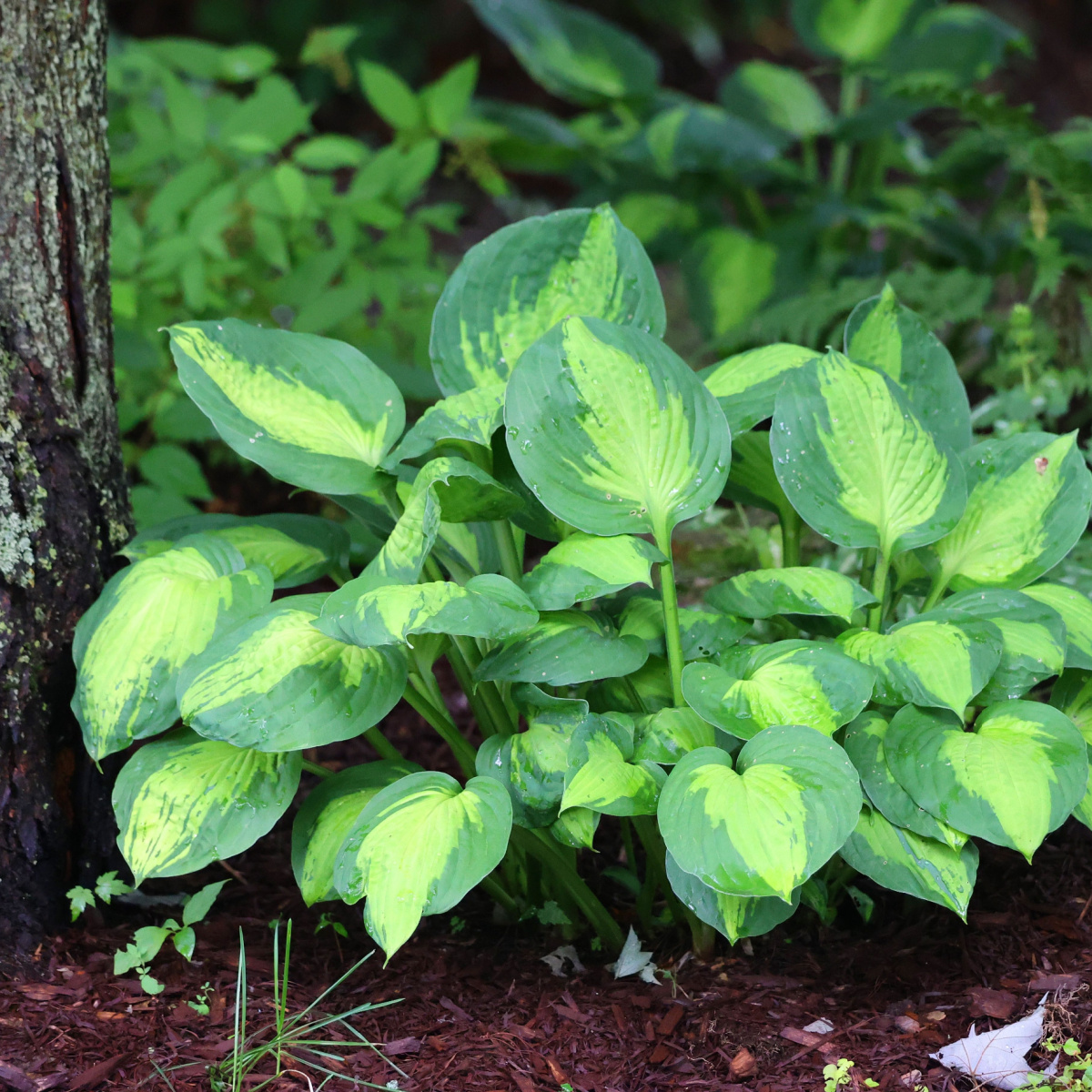
By late fall, hostas often look nothing like the lush plants that filled flowerbeds in spring. Their leaves may be yellow, frost damaged or completely collapsed. Fortunately, that fading foliage does not mean the roots underneath have lost their strength.
Hostas can be divided during the fall planting window, although earlier fall gives them more time to establish. If you still have several weeks before the soil freezes, an oversized clump can supply several sturdy new plants.
Remove the dying leaves, then dig well outside the crown to preserve as many roots as possible. Lift the clump and use a sharp spade to divide it. Each section needs healthy roots and several eyes, the pointed buds that produce new growth.
Keep late fall divisions generous. A large piece has more stored energy and a better root system than a tiny section with only one bud.

Replant with the crown at its previous soil level in a location suited to the variety’s light needs. Water thoroughly. Don’t worry if nothing green appears afterward – the goal is to settle the roots in before winter, not encourage new leaves.
Daylilies – One oF The Best Perennial Flowers To Divide In Late FAll!
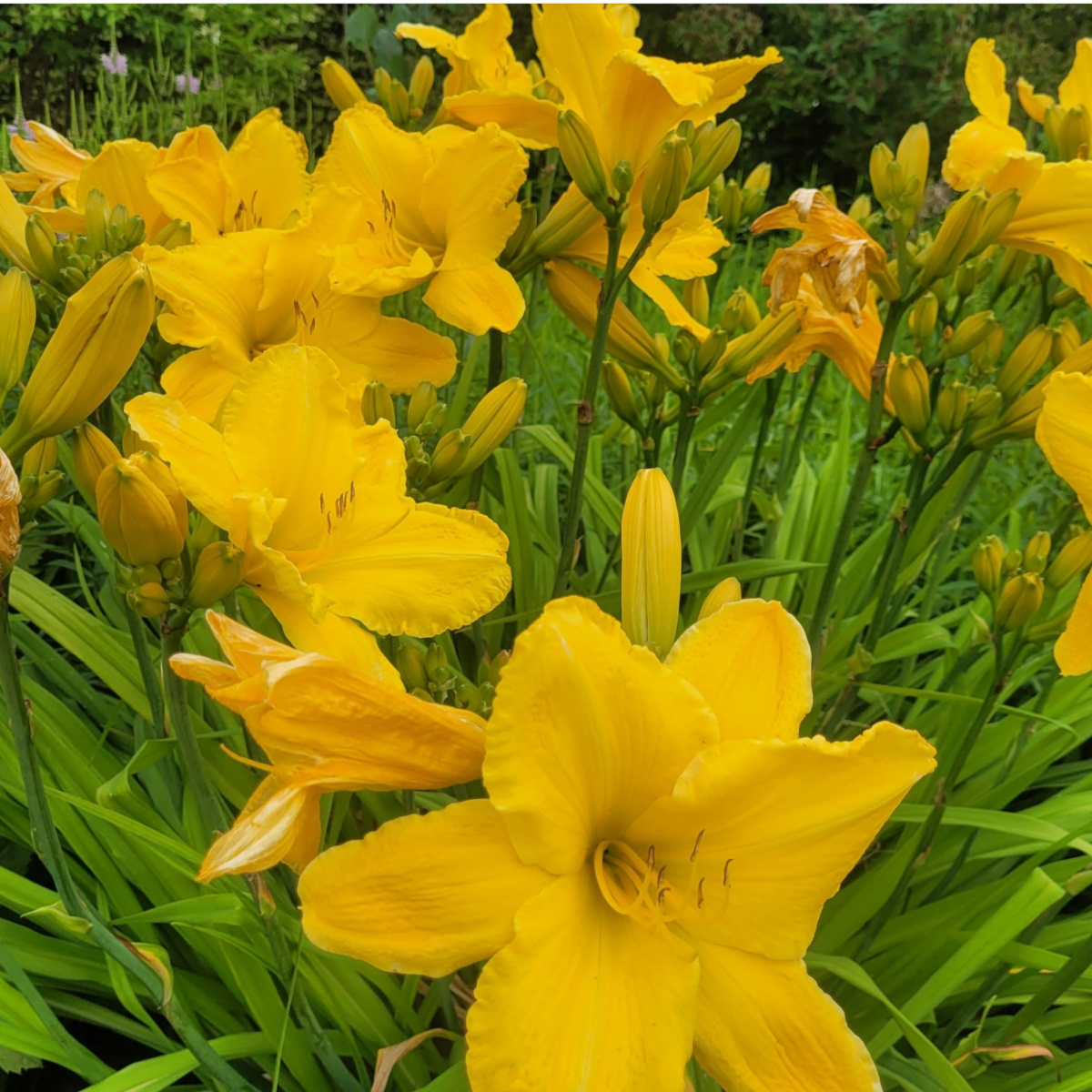
Daylilies are some of the easiest perennials to multiply. Over time, their thick roots and leafy fans form large clumps that can crowd neighboring plants. When flowering declines and the clump becomes dense, dividing can give it room to grow again. See our article: What To Do For Daylilies In The Fall - 2 Big Tasks For Bigger Blooms Next Year!
Earlier fall is ideal, but late fall division can still work where the ground remains unfrozen long enough. Trim declining foliage to make the fans easier to see and the plant easier to handle.
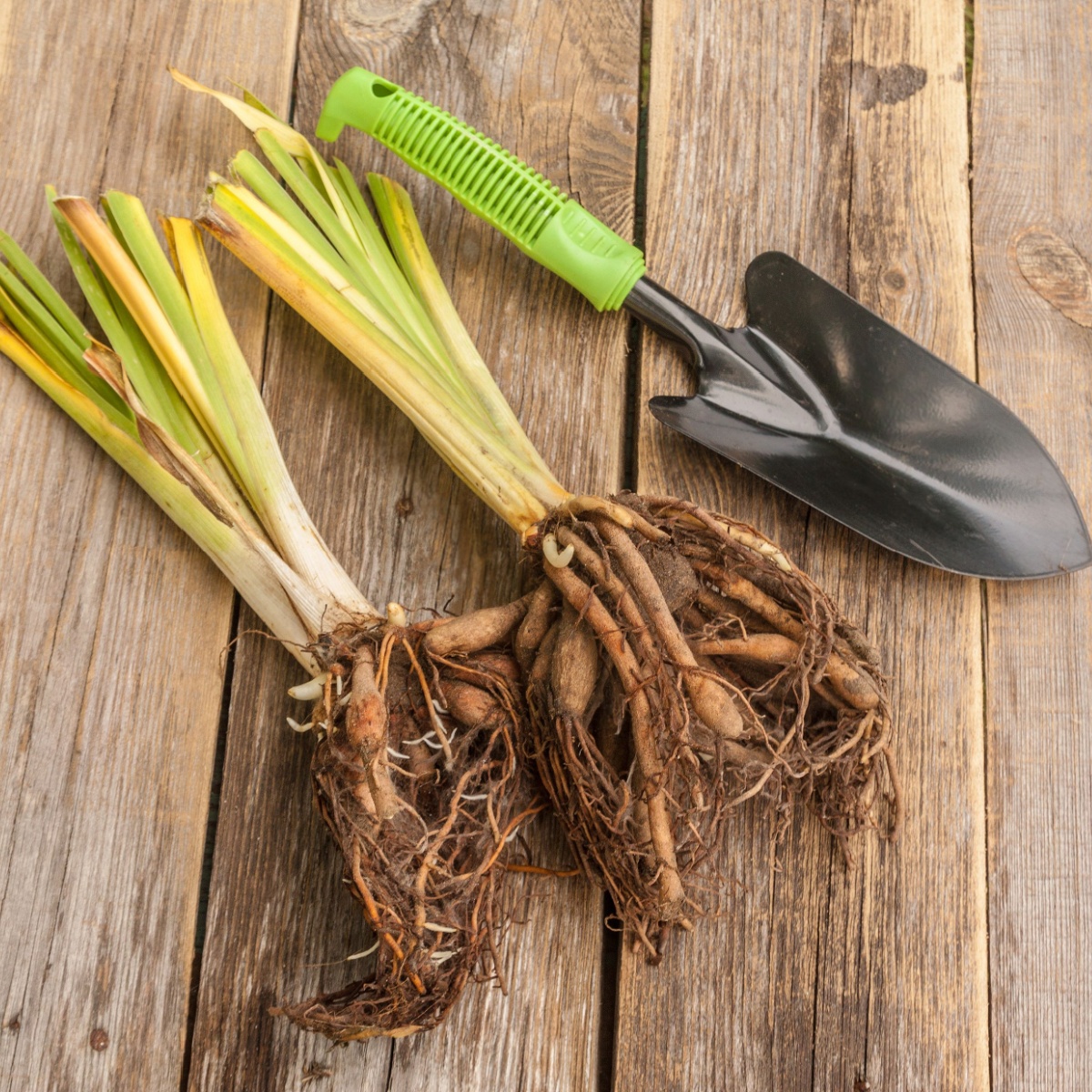
Dig around the clump and lift it carefully. Some sections will pull apart by hand. Others need a sharp knife or spade to cut through the tangled roots.
For late fall planting, keep several fans together in each division, along with plenty of healthy roots. There is no advantage to making dozens of tiny plants if they struggle to establish before winter.
Set the crown about an inch below the soil surface and spread the roots into the planting hole. Water well and leave enough room between divisions for their mature size. Planting too deeply can interfere with growth and flowering.
Black Eyed Susans – Spread The Golden Color
Perennial black eyed Susans can quickly grow into broad patches of summer and early fall color - and you can divide these beautiful perennial flowers with ease for even more new plants for sunny spaces next year.
Once flowering has finished and foliage is declining, lift a crowded clump and separate healthy outer sections. Keep several growing points and a substantial root mass on each division.
Replant at the original depth in a sunny location with good drainage. Water thoroughly, and check the soil during dry stretches. Cool weather reduces moisture loss, but new divisions can still dry out.
You can save healthy seed heads for birds or leave some undivided plants standing through winter. If leaves show disease symptoms, remove that affected material instead of scattering it around the garden.
A Little Aftercare Goes A Long Way
Once your divisions are planted, water whenever the soil begins drying below the surface. Avoid keeping it constantly wet, and skip fertilizer. Late fall is the time to help roots settle in, not push tender new growth.
After the ground cools, add a light layer of mulch around the plants, keeping it away from their crowns. Mulch helps moderate soil temperature swings that can heave newly planted roots upward.
With the right timing and a little care, those tired fall clumps can become the start of fuller flowerbeds next year!
The Simple Garden Life
Follow Our Facebook Page For Even More Great Tips! Simple Garden Life Facebook Page
Simple Garden Life is a website dedicated to keeping gardening fun, simple and enjoyable! We publish two new articles each week along with a new garden podcast episode every two weeks. This article may contain affiliate links.