
Looking for the best and easiest cover crop to plant in your garden this fall to help protect and power your soil over the winter?
When the last tomatoes, peppers and other summer crops come out of your garden, it can feel like the growing season is over. But one of the best things you can do for next year’s garden happens right now – before winter arrives.
Leaving garden soil bare through fall and winter gives rain a chance to wash it away and weeds a place to settle in. Planting a cover crop protects that soil and helps improve it for the vegetables you’ll grow next spring. And if you want a cover crop that’s easy to plant and even easier to handle later, oats are the best choice of all!
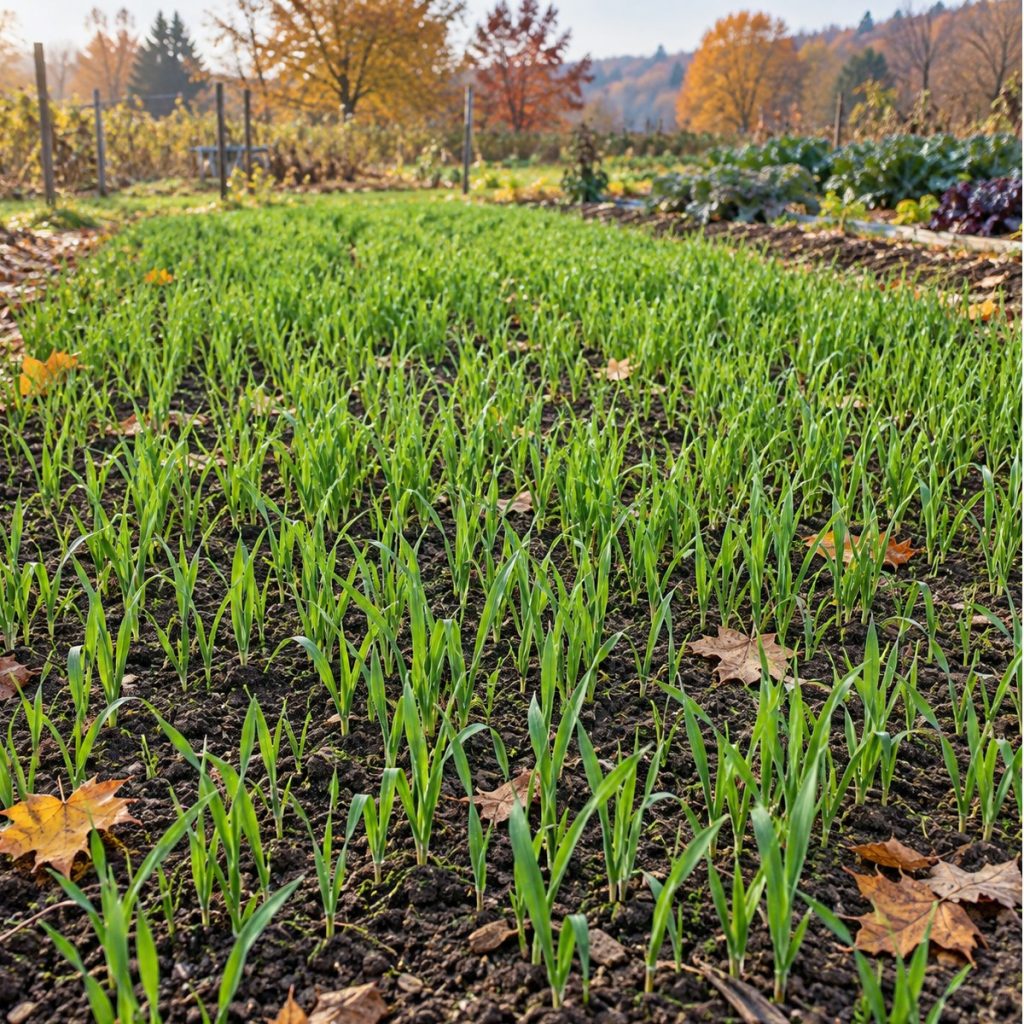
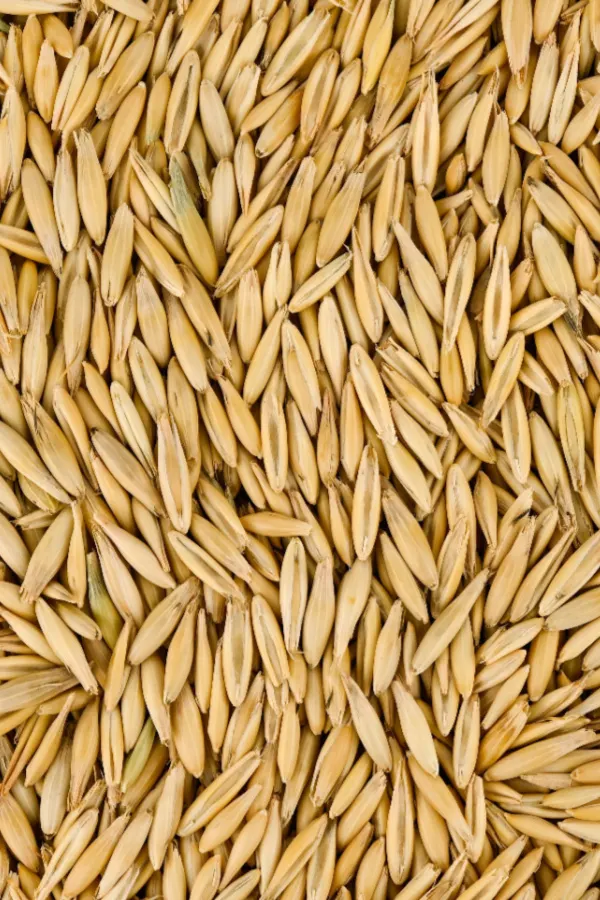
Oats grow quickly in cool fall weather, require no tilling to plant, and naturally die off during a cold winter. Their roots and leaves help build better soil, while the dead plants create a layer you can plant right through in spring. It’s a simple way to put an empty garden bed to work!
The Best Cover Crop To Plant In Your Garden
Why Oats Are A Great Fall Cover Crop
The trouble with an empty garden bed is that it doesn’t stay empty for long. Weed seeds are quick to sprout in exposed soil, especially when fall brings cooler temperatures and more rain. Meanwhile, heavy downpours can carry away the loose top layer of soil.
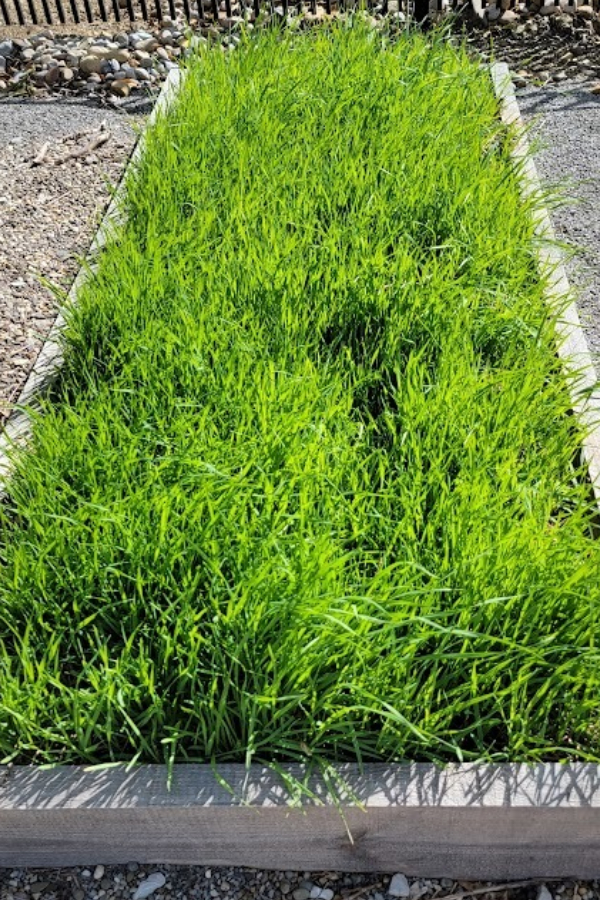
Oats help solve both problems. Once they sprout, they grow into a thick stand of green that shades the soil and makes it harder for weeds to take hold. Their roots spread beneath the surface, helping anchor the soil while taking up nutrients left behind by your summer crops.
Those nutrients don’t disappear when the oats die. As the plants break down, they return the nutrients they collected to the garden. Oats don’t add nitrogen from the air the way some cover crops do, but they can help keep existing nutrients from being lost before you plant again.
Perhaps the best part is how little you have to do in spring. Unlike cover crops that survive winter and start growing again, oats usually die during prolonged freezing weather. That makes them an excellent choice if you want to get back into your beds early next year.
You Don’t Need To Till To Plant Oats
One of the easiest ways to plant oats is to sow them as you clear each section of the garden. Remove spent vegetable plants and any large weeds, then use a rake to loosen the very top of the soil. There is no need to turn over the entire bed.
Scatter the oat seed evenly across the area, rake it lightly into the soil, and water if rain isn’t expected soon. The seed needs contact with soil to sprout, so avoid dropping it onto a thick layer of old mulch or plant debris. Move that material aside first or clear small patches where the seed can reach the ground.
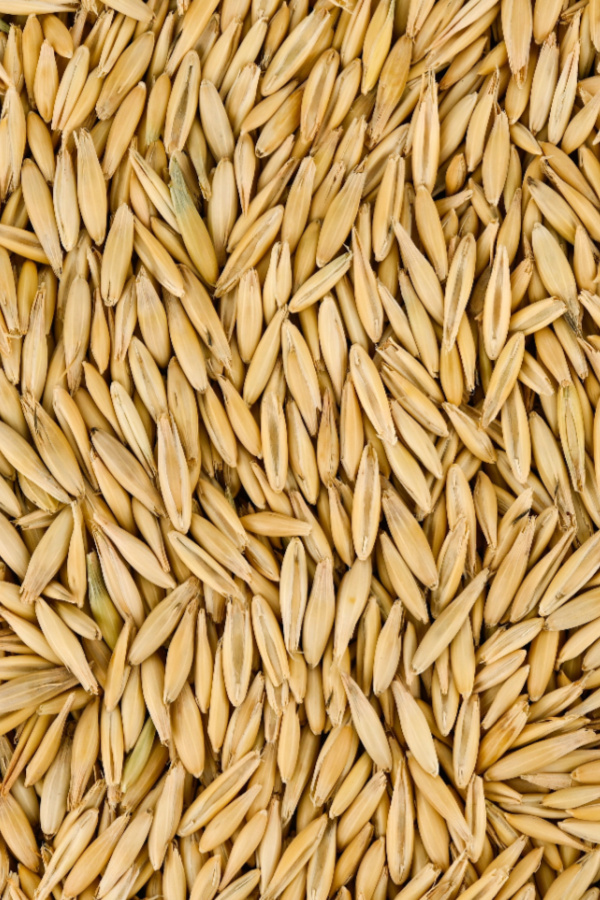
For a small garden, use about 4 to 5 ounces of oat seed per 100 square feet, or follow the rate listed on your seed package. Look for spring oats or oats sold for cover cropping. If you buy a cover crop blend, check the label so you know whether it contains plants that will survive winter. Affiliate Link: 10 lb Oat Seed | Cover Crop, Forage, Food Plots & Soil Improvement
You can plant oats in raised beds, too. Just clear the old plants, lightly rake the surface, sow the seed and give it enough moisture to germinate. As long as the seed has time to establish before winter, even a small bed can benefit.
How Oats Help Build Better Soil
Oats do some of their most valuable work where you can’t see it. As the plants grow above ground, their roots travel down through the soil. Those roots help hold the soil together and create spaces where air and water can move.
When winter kills the plants, the roots remain underground and gradually decay. The tiny spaces they leave behind can help improve the structure of your garden soil over time. That is one reason you don’t need to pull the oats out when they die.
Listen To Our Podcast On Cover Crops!
The growth above ground helps, too. Fallen oat leaves and stems cover the soil during winter and begin breaking down as temperatures warm. They add organic matter and create a light mulch that can help slow new weeds in spring.
One season of oats won’t fix every soil problem. But planting a cover crop each fall is a practical way to keep improving a garden bed instead of leaving it exposed for months. The soil stays covered, living roots grow through it, and the old growth becomes part of the garden again.
What Happens To Oats In Winter?
Spring oats can handle cool fall weather, but they aren’t built to survive a cold winter. A hard freeze may start to damage them, and sustained freezing weather will usually finish the job. The once-green plants turn brown and collapse over the soil.
You don’t have to remove that dead growth. Leave it in place to protect the bed. Through winter and into spring, the oat tops act as a loose cover while the roots remain beneath the surface.
This natural die-off makes oats different from winter rye. Rye stays alive through winter and begins growing again in spring, so you need a plan to cut it down before planting vegetables. Oats usually take care of that step on their own.
Winter weather can vary, of course. If a few oats are still green when spring arrives, cut them down before they produce seed. For most gardeners in areas with cold winters, the main spring job is simply to move some of the dead material aside when it’s time to plant.
How To Plant Through Oats In Spring
When you’re ready to plant next spring, look over the bed. The oat tops should be brown and flattened, with some of the finer material already starting to break down. You can leave most of it on the soil.
For tomatoes, peppers or other transplants, pull the oat residue aside where each plant will go. Dig your planting hole, set in the transplant, and leave the dead oats around it as mulch. Keep the material from piling directly against the new plant’s stem.
If you’re planting a row of seeds, rake the oat residue away from that row first. Small seeds need direct contact with the soil to germinate. Leave the dead oats between rows, where they can continue to cover the ground as your vegetables grow.
There is no need to till the oats into the garden. Leaving the dead roots in place and the tops on the surface lets them break down gradually. It also means you can start planting without waiting to work a living cover crop into the soil.
The Best Time To Plant Oats
Oats need enough time to sprout and grow before hard winter weather arrives. Early fall is really the best time for planting. You don’t have to wait for the whole garden to be done. Plant oats in one empty row while the peppers are still producing in another. As more space opens up, sow more seed. This gives each section as much growing time as possible.
If you wait until late October, oats may not have time to create much cover before winter. Winter rye is an option for later planting, but it will need attention in spring because it survives the cold. For beds available now, oats offer the simpler route.
Here is to planting the best cover crop in your garden this fall – oats! For more on cover crops in raised beds, check out our article: How To Plant A Cover Crop In Raised Beds – Recharge Your Soil!
The Simple Garden Life
Follow Our Facebook Page For Even More Great Tips! Simple Garden Life Facebook Page
Simple Garden Life is a website dedicated to keeping gardening fun, simple and enjoyable! We publish two new articles each week along with a new garden podcast episode every two weeks. This article may contain affiliate links.