
Did you know that there are 3 vegetable plants that you should never grow near your tomato plants?
Tomatoes can grow in raised beds, gardens and even buckets – but they are surprisingly sensitive to competition. When planted near the wrong vegetables, they can suffer reduced growth, fewer flowers, lower yields – and in some cases – increased risk of pests and disease. Which is exactly why you have to be careful where you plant them!
All too often, gardeners blame weather, soil, or fertilizer when the real issue was poor plant placement of their tomatoes with other crops. But by simply keeping incompatible crops away and pairing tomatoes with helpful companion plants, you can set the stage for stronger plants and a more productive harvest.

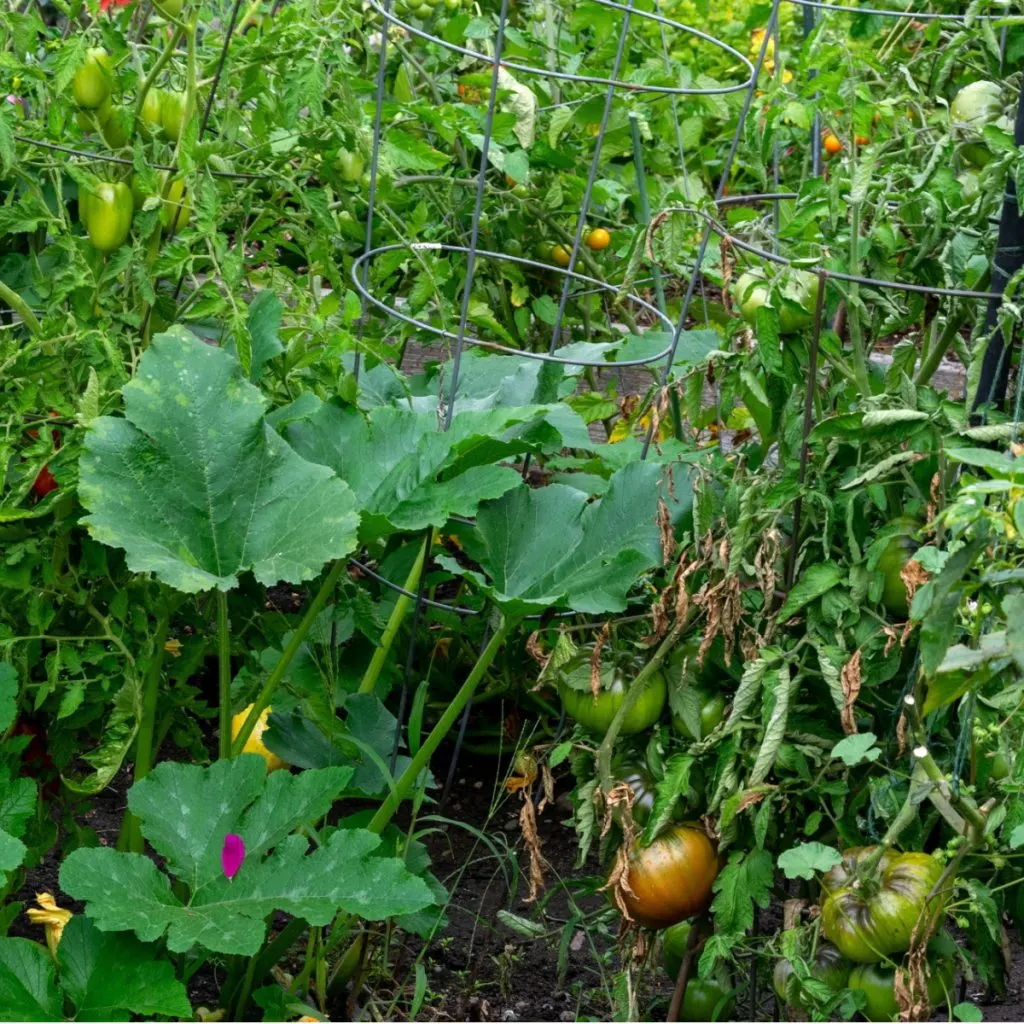
3 Vegetable Plants To Never Grow Near Tomatoes
Why Some Vegetable Plants Should Never Grow Near Tomatoes
Tomatoes are heavy feeders that require nutrient-rich soil, consistent moisture, and plenty of sunlight. They also need good airflow around their foliage to prevent fungal disease. When grown near incompatible plants, they can lose access to key nutrients. They can also experience shading, or become stressed by root competition.
Stress is one of the biggest contributors to tomato problems. A stressed tomato plant is far more likely to attract pests, develop disease, and struggle with fruit production. Many common tomato issues, including blossom end rot, poor flowering, and slow growth, can often be traced back to competition below the soil surface for nutrients.
Knowing which vegetables to avoid planting near tomatoes can prevent many problems before they ever appear. And as you will see below, three of the biggest of all to keep away are broccoli (and related family members), potatoes and sweet corn. Here is a look at each and why it’s important to plant your tomatoes away from them – along with some great companion plants that can actually help tomatoes grow better!
Broccoli, Cabbage & Other Brassica Family Crops
Broccoli belongs to the brassica family. That family also includes cabbage, cauliflower, brussels sprouts, kale, and kohlrabi. While these vegetables grow well together, they do not coexist well with tomatoes.

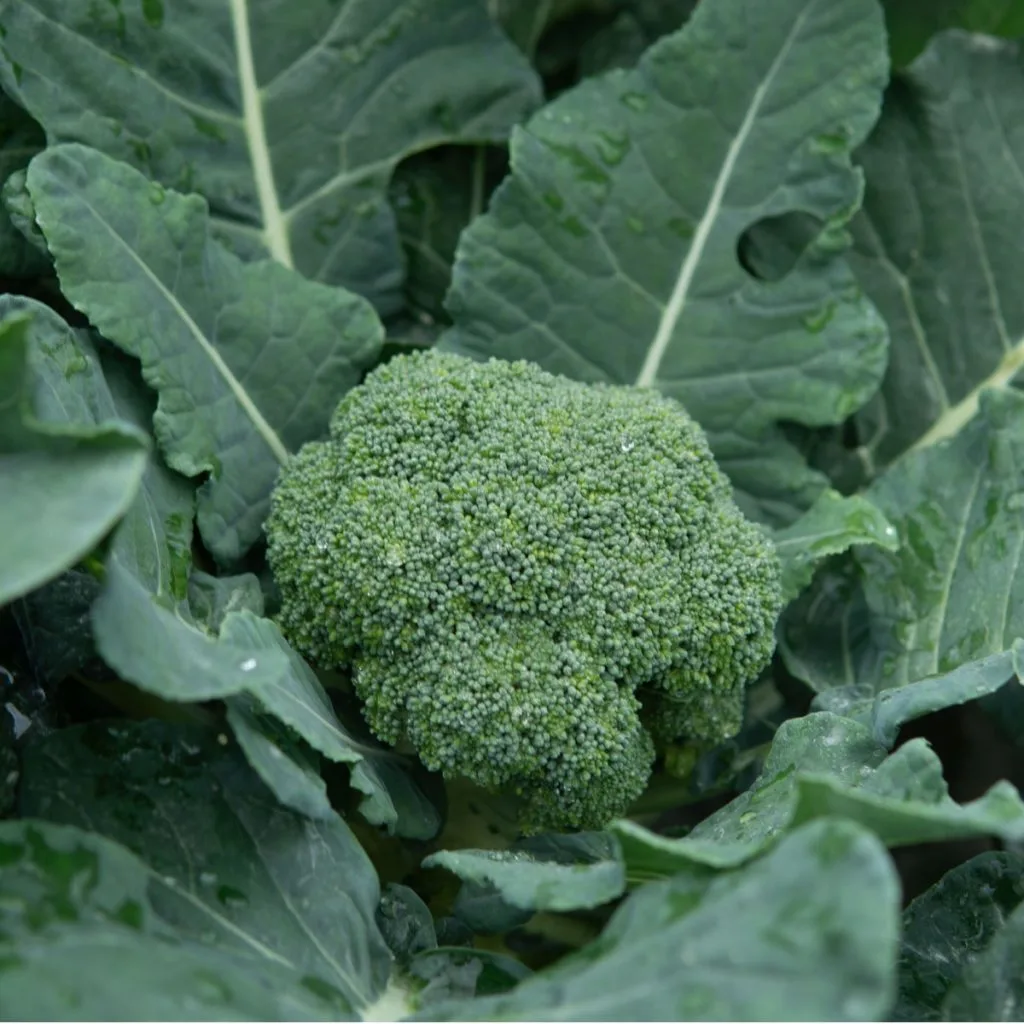
One of the biggest issues is nutrient competition. Brassica crops are aggressive feeders that pull large amounts of nitrogen, calcium, and other essential nutrients from the soil. Tomatoes rely heavily on these same nutrients to support flower and fruit development.
When planted near broccoli or other brassicas, tomatoes often struggle to keep up. This competition usually shows up as slow growth, pale or yellowing leaves, and reduced flowering. Over time, this nutrient stress weakens the plant and limits its overall productivity.
Another concern is root competition. Brassica crops develop dense root systems that occupy a large portion of the soil. When tomatoes are planted nearby, their roots are forced to compete for space and nutrients. That, in turn, can stunt growth and reduce water intake.
Potatoes
Potatoes and tomatoes may look very different above ground, but they are closely related. Both crops belong to the same plant family. And that can create serious risks when they share the same growing space.
The biggest concern when growing potatoes near tomatoes is disease. Potatoes and tomatoes are both highly susceptible to early blight, late blight, and several soil-borne fungal diseases. When these crops are planted close together, disease can spread quickly from one plant to another.
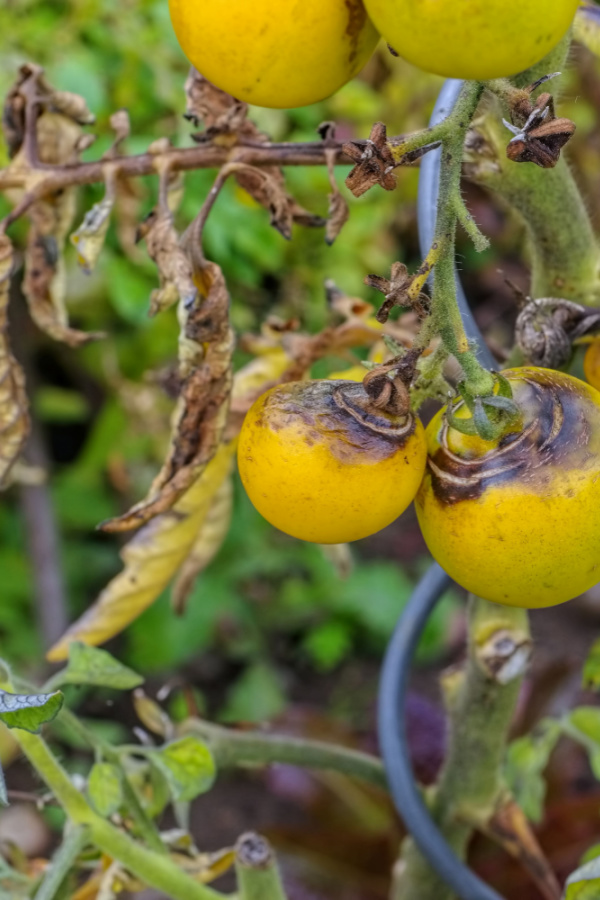
Late blight is especially destructive. It can wipe out tomato plants in a matter of days under the right conditions. Once this disease becomes established in the soil, it can remain active for years, making it difficult to grow healthy tomatoes in the same area again. And planting potatoes near tomatoes significantly increases the chances of blight affecting both crops.
Potatoes also attract pests such as flea beetles and aphids. These can easily move on to tomato plants and cause trouble. When both crops are grown together, pest populations can grow rapidly and become difficult to control.
Sweet Corn
Sweet corn is another vegetable that should never be planted near tomatoes. Corn grows quickly and aggressively, creating several challenges for nearby tomato plants.
One of the most noticeable issues is shading. Corn plants can easily reach eight feet tall or more, and when planted near tomatoes, they can block sunlight for a large portion of the day. Tomatoes require full sun to grow strong stems, produce flowers, and ripen fruit properly.
When tomatoes receive less sunlight, they often grow tall and leggy as they stretch toward the light. This weak growth leads to fewer flowers and a lower overall yield. Shaded tomato plants also take longer to ripen fruit, which can be especially problematic in shorter growing seasons.
Corn is also a heavy feeder that demands large amounts of nitrogen and water. When planted near tomatoes, corn can quickly deplete soil nutrients and moisture, leaving tomatoes struggling to keep up.
Last but not least, corn and tomatoes both attract similar pests, including tomato fruitworms. When these crops are planted close together, pests can easily move between plants, increasing the likelihood of infestations.


Good Plants To Grow Near Tomatoes
While some vegetables can cause serious problems for tomatoes, there are some that make excellent companions. Choosing the right plants to grow nearby can reduce pest pressure, improve soil conditions, and even enhance tomato flavor. See our article: The Best Plants To Grow With Tomatoes.
Basil is one of the best-known companion plants for tomatoes and for good reason. Basil thrives in the same growing conditions and helps repel pests such as aphids and whiteflies. Many gardeners also believe that basil improves the flavor of tomatoes when grown nearby.
Marigolds are another excellent choice for planting near tomatoes. Their strong scent helps deter a variety of pests, including aphids, whiteflies, and tomato hornworms. Marigolds are also known to reduce nematode populations in the soil, which can damage tomato roots and reduce plant vigor.
Onions and garlic work well near tomatoes because they do not compete heavily for nutrients. Their shallow root systems allow tomatoes to access deeper soil nutrients without interference. In addition, onions and garlic help deter insects that commonly attack tomato plants.
Leafy greens such as lettuce and spinach also make good companions, especially early in the season. These fast-growing crops help shade the soil, retain moisture, and suppress weeds. Once temperatures rise and tomatoes begin to fill out, you can then harvest the leaves still allowing plenty of space for the tomatoes to grow.
Here is to knowing which vegetable plants to never grow near your tomato plants – and to growing stronger plants, healthier vines, and a more abundant harvest year after year!
Simple Garden Life
Follow Our Facebook Page For Even More Great Tips! Simple Garden Life Facebook Page
Simple Garden Life is a website dedicated to keeping gardening fun, simple and enjoyable! We publish two new articles each week along with a new garden podcast episode every two weeks. This article may contain affiliate links.